How to Manage Stress in Prison
Stress is an unavoidable part of life, but within a prison environment it is often increased by uncertainty, loss of freedom, separation from loved ones, conflict, boredom, and concerns about the future.
Health is a key to resilience. However, good health can be one of the hardest things to maintain in prison.
This section is dedicated to different aspects of physical and mental health, from exercises and yoga, to strategies for dealing with trauma, providing health inspiration and guidance for people trying to keep healthy inside the challenging setting of prison.

Stress is an unavoidable part of life, but within a prison environment it is often increased by uncertainty, loss of freedom, separation from loved ones, conflict, boredom, and concerns about the future.
Determined to make positive changes in life? It can start with digestion!
I was incarcerated during COVID. I was transferred to Brisbane Correctional Centre for 1 week and then moved to Woodford Correctional Centre for 4 years.

These are challenging postures that stretch and strengthen the whole body and challenge the mind. As you breathe in each posture, notice how you feel.

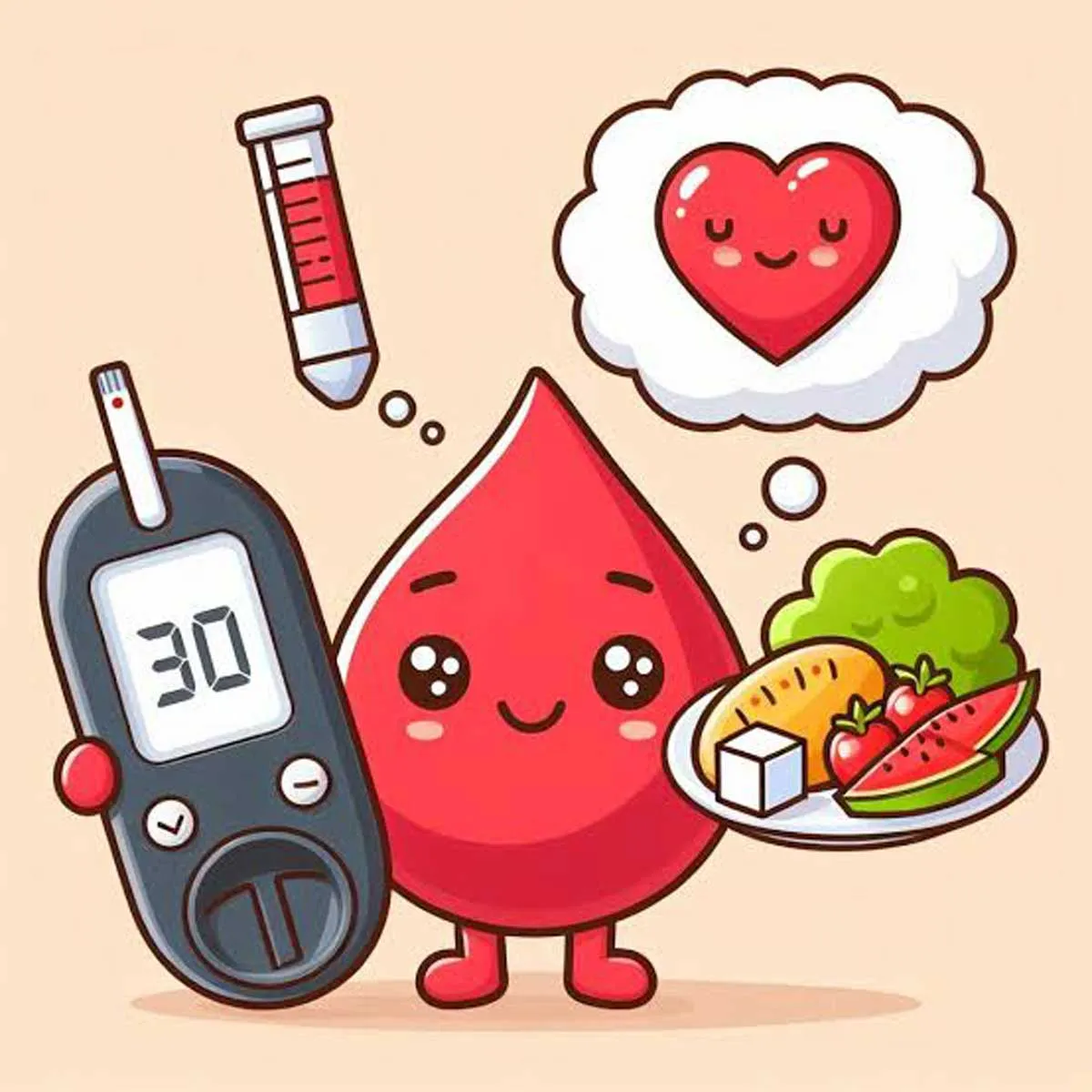
Today, inspired by a question from Jon in Victoria, we are talking about diabetes.

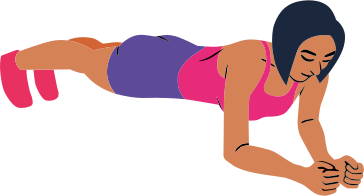
Some additional approaches to core strength!
Guilt is intended to be a motivational emotion, allowing us to change behaviour that might cause us to be excluded or persecuted by others in our social groups.
-Opt.webp)
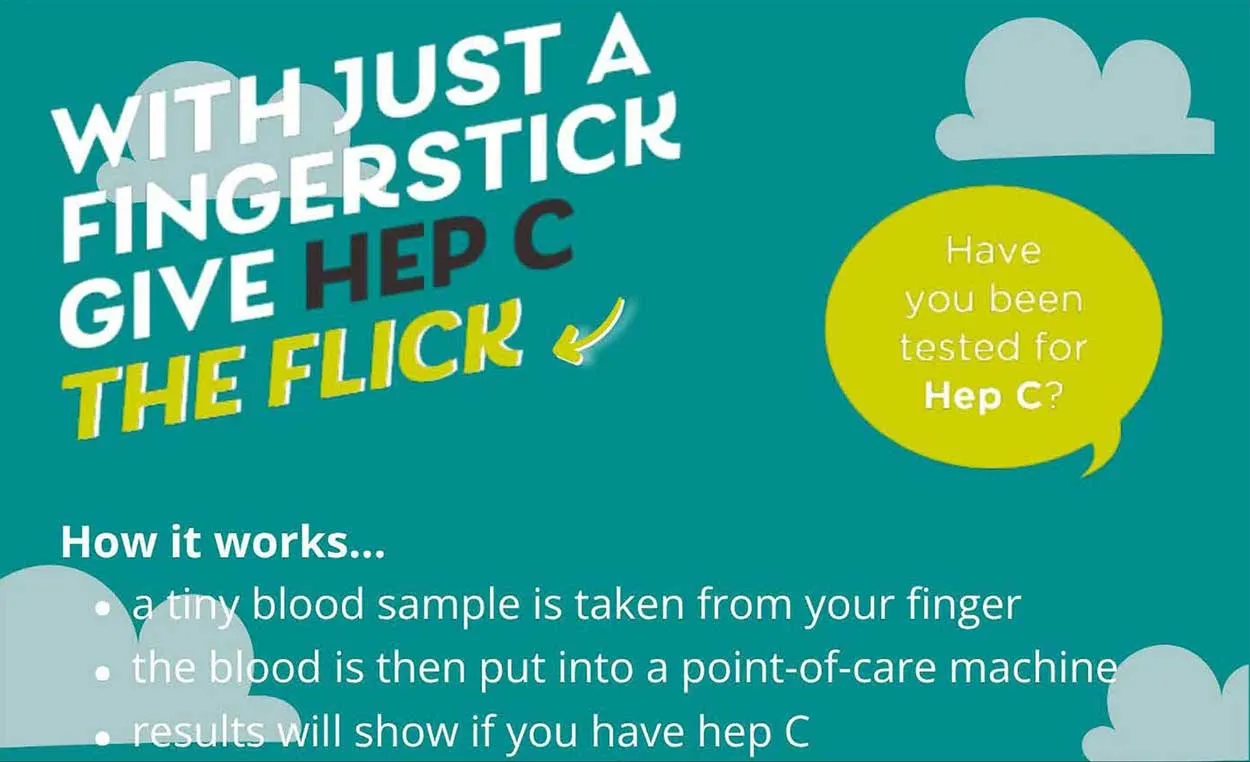
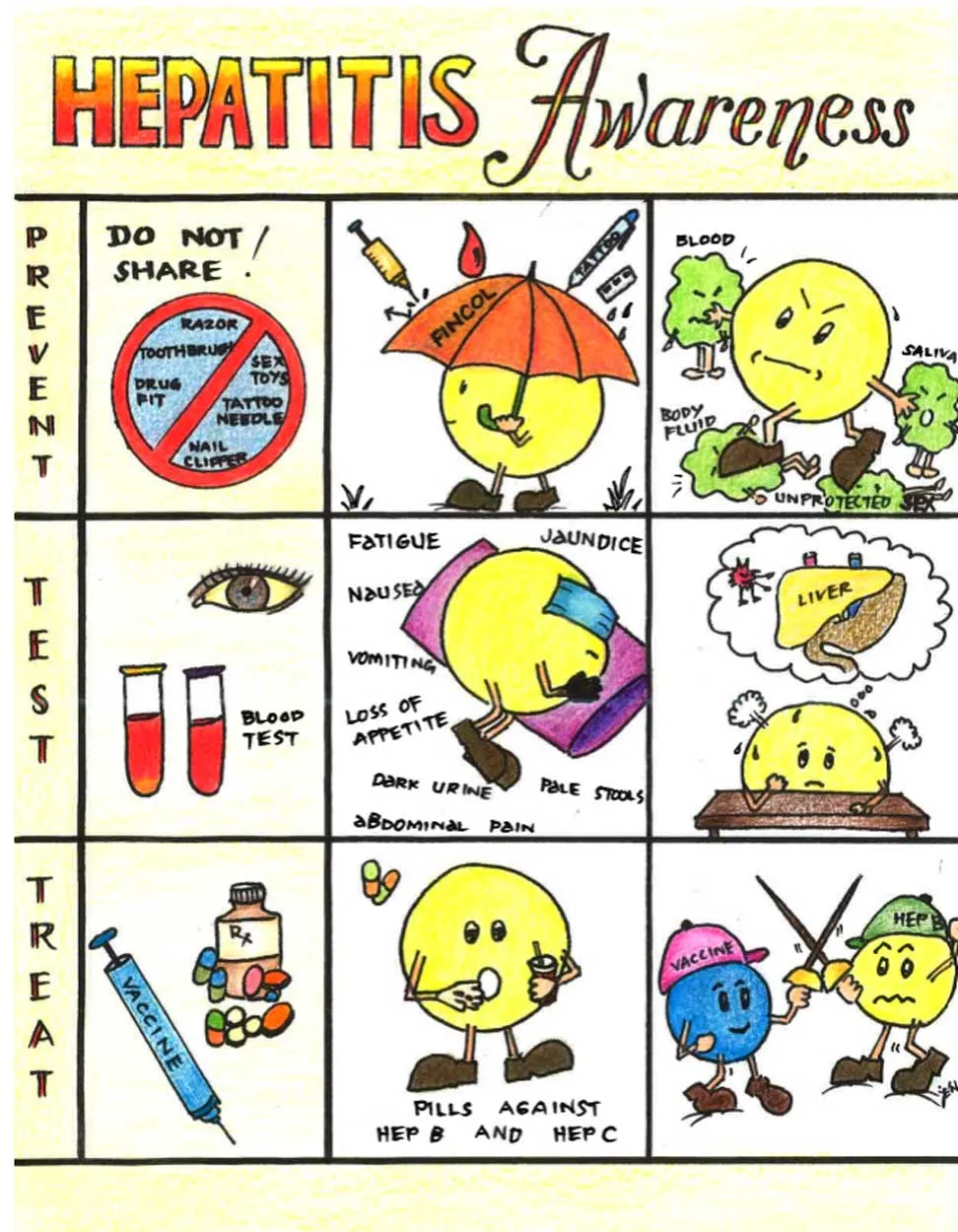
Hep C and I have a long history: In 1999, I was quite young and on remand and they must have given me a hep C test. I didn’t even know what they were testing for at the time.

Trouble sleeping is incredibly common, both in prison and on the outside, and can be frustrating and miserable. Luckily, there are steps you can take to help your self drop off.

Doctors believe the cancer had only been there for about 6 months. If I’d left it much longer, things could have been much worse. That’s why I now always say: check yourself, and don’t ignore the signs.

When it comes to battling depression, often your thoughts are not your own. These thoughts are an inevitable result of being emotionally overwhelmed (in the case of reactive or situational depression) or as a result of imbalances of neurotransmitters in the brain (in the case of clinical depression).

Getting that kind of help inside meant a lot. There’s not much in here that feels easy, or like people have your back. But this did.


Your browser window currently does not have enough height, or is zoomed in too far to view our website content correctly. Once the window reaches the minimum required height or zoom percentage, the content will display automatically.
Alternatively, you can learn more via the links below.