ISSUE NO. 10
May 2025
Letters
Prison Healthcare
By Bradley
We want to know why we get treated differently in jail than on the outside.
2 MIN READ


Your browser window currently does not have enough height, or is zoomed in too far to view our website content correctly. Once the window reaches the minimum required height or zoom percentage, the content will display automatically.
Alternatively, you can learn more via the links below.

We want to know why we get treated differently in jail than on the outside.
The High Court of Australia on Wednesday ruled that a woman incarcerated in a Queensland prison should be allowed to freeze her eggs.

Australia’s highest court will decide whether a woman in prison in Queensland should be allowed to freeze her eggs while she is incarcerated.

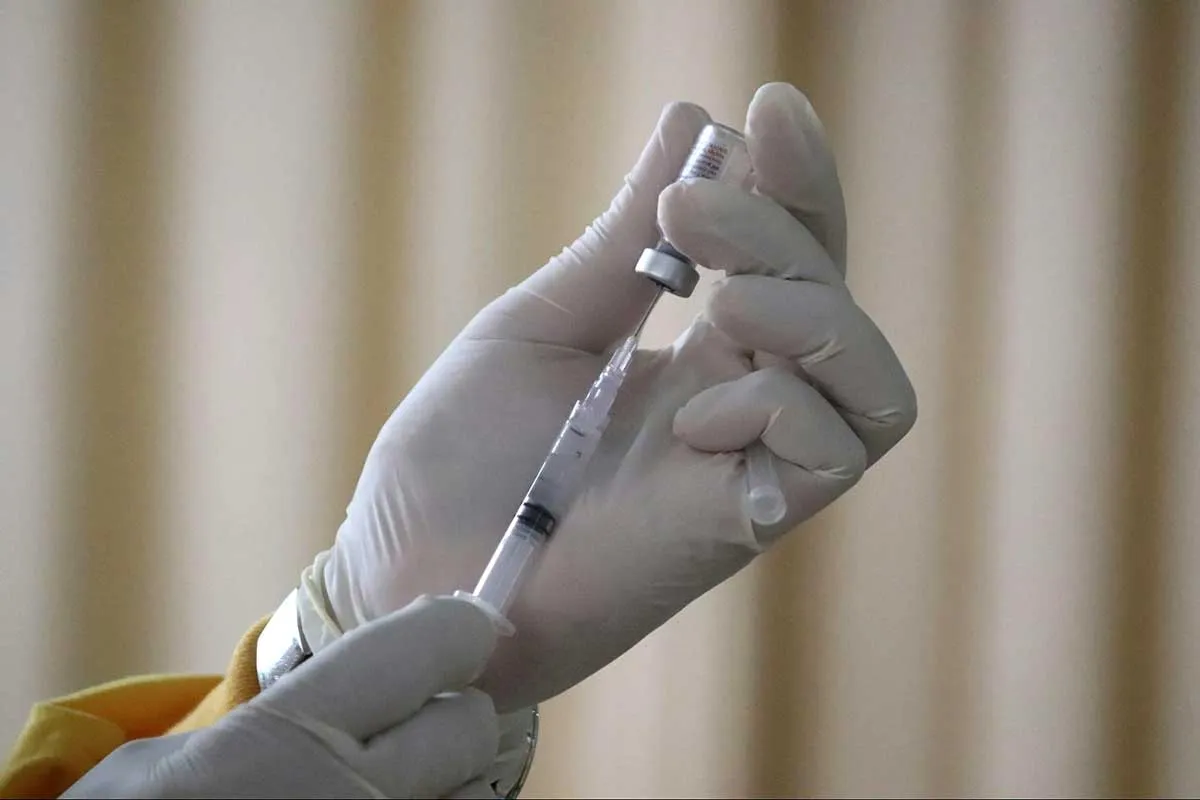
A man in Victoria was left “languishing” on remand in prison with active psychosis for two years before he received any medication, a court has heard.
.webp)
People in prisons continue to face preventable harm due to poor healthcare.
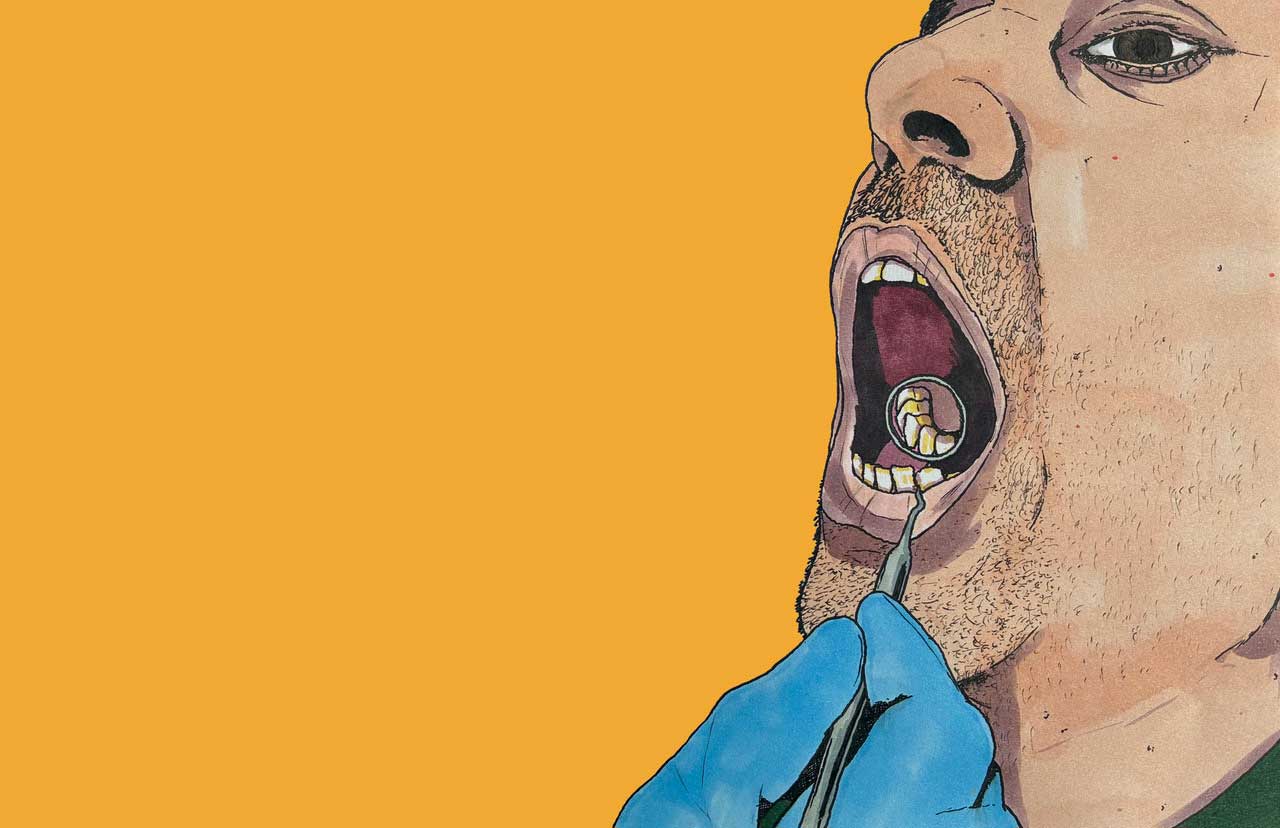
Emily Cooper never had dental problems before she went to prison. When she was released, she was missing four teeth.
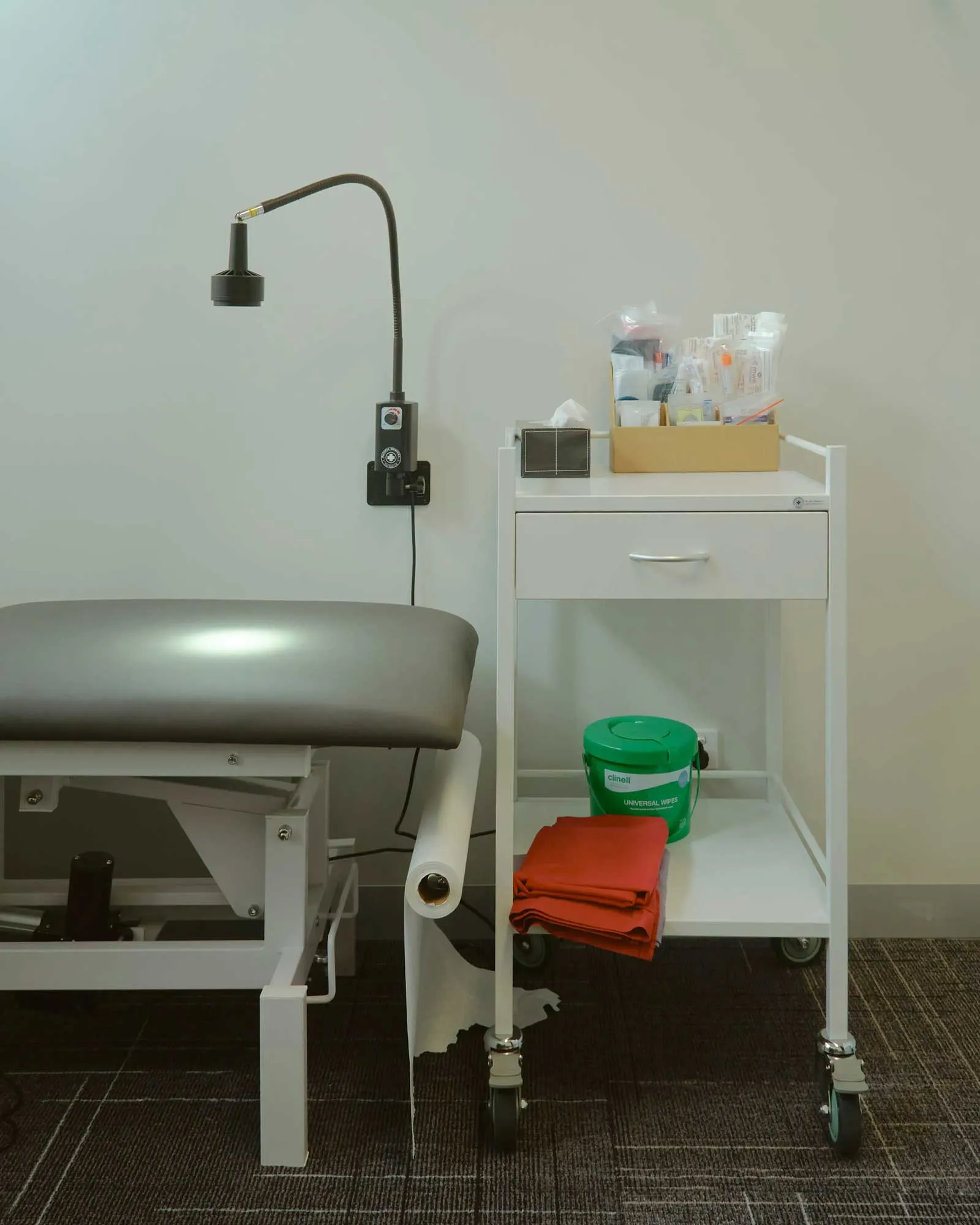
South Australia is the only state or territory in Australia that does not provide 24/7 medical staff on site at its women’s prison.
There are more than 4000 places in Australia where people can access free clean needles and syringes. But there are none in any prison.

End-of-life care, also known as palliative care, is a healthcare process that aims to improve the quality of life and reduce the suffering of those who are terminally ill. Being incarcerated can make this stage of life even more complicated.

Earlier this year, in what may be an Australian first, over-the-phone mental health appointments from prison were arranged and bulk-billed under Medicare.

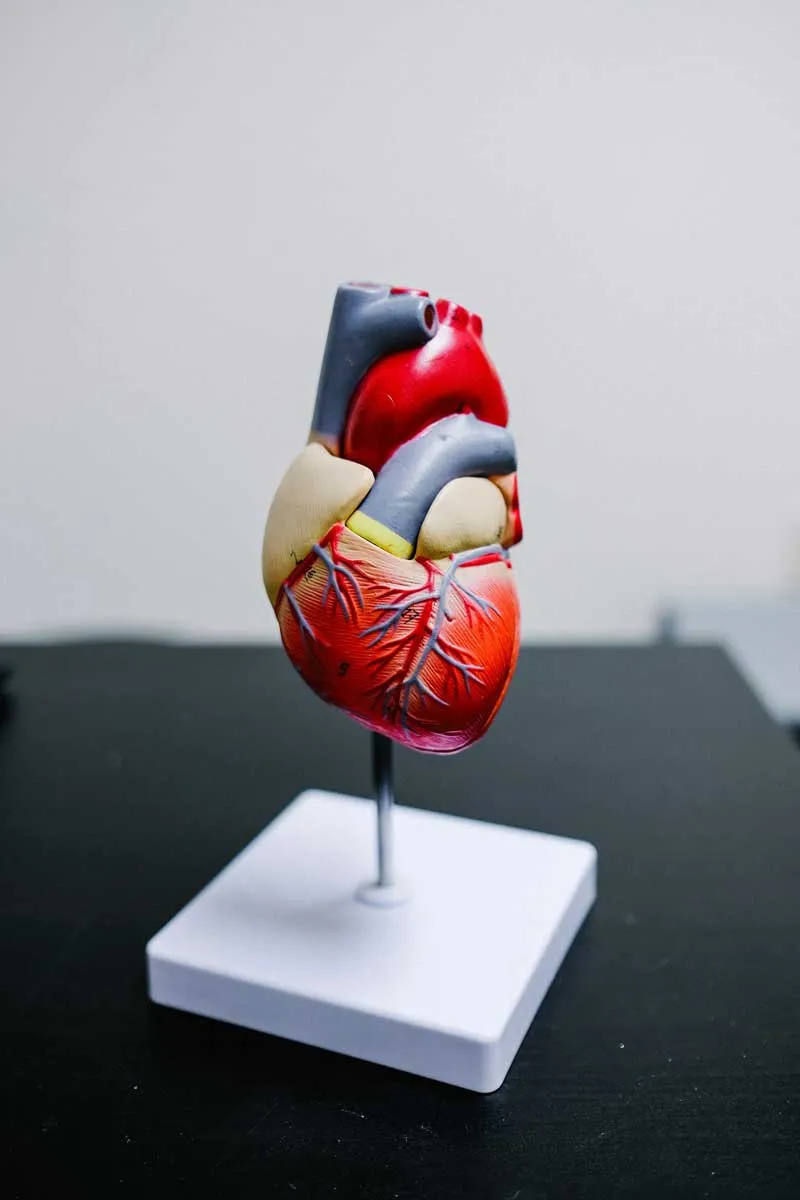
A heart attack occurs when there is blockage in the heart’s own blood supply.
There is a lot of talk about human rights in prison – with things like ‘the Mandela Rules’, ‘the principle of equivalence’, and access to health care without discrimination.

A wide-ranging report commissioned by the federal government has called for “urgent and proactive” system-level reforms to improve the standard of health care provided to First Nations people in prison.