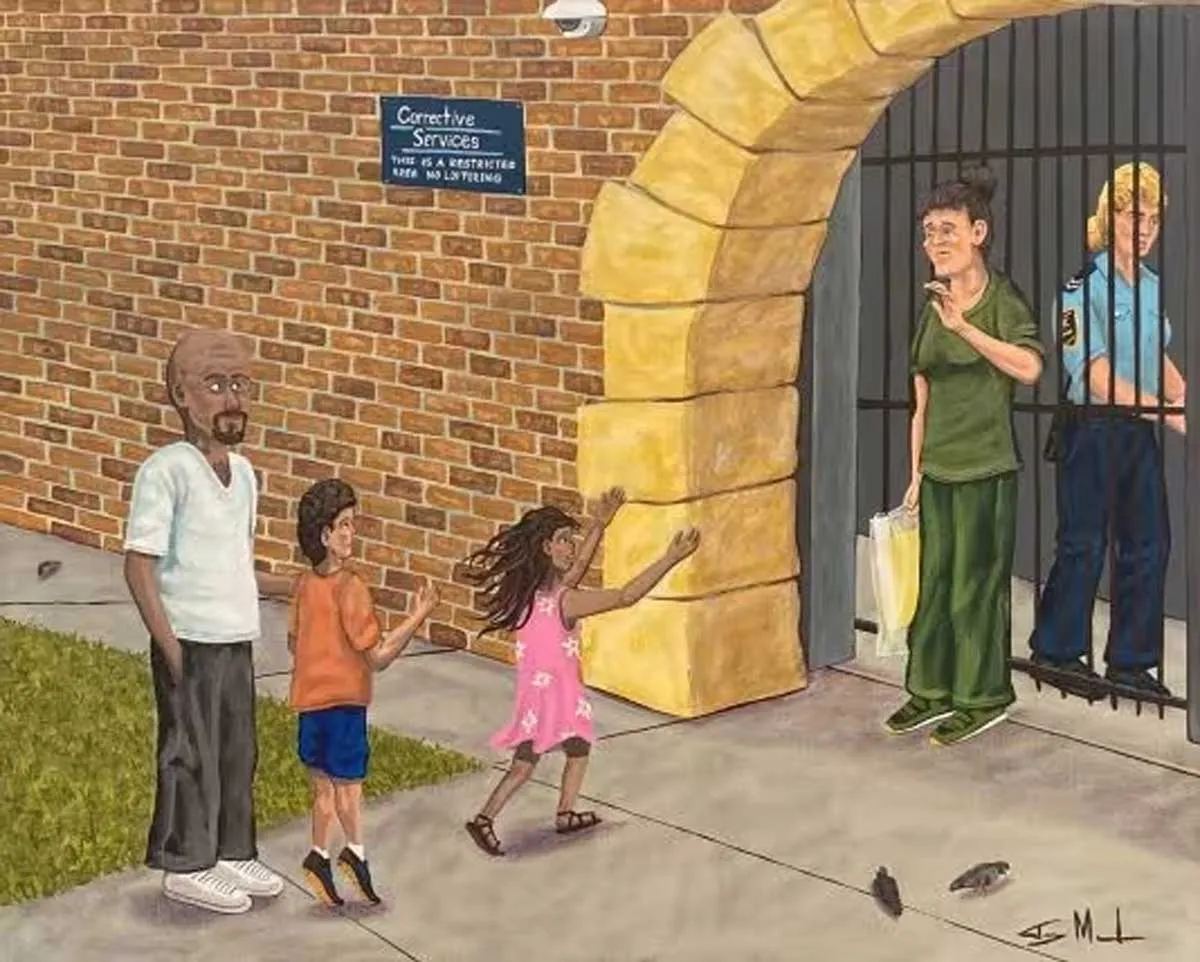
ISSUE NO. 25
August 2026
Letters
Prison is Failing People With Mental Health Issues
By Greg
My name is Greg, I am 60 years old and I have spent almost 48 years in various institutions and prisons.
2 MIN READ


Your browser window currently does not have enough height, or is zoomed in too far to view our website content correctly. Once the window reaches the minimum required height or zoom percentage, the content will display automatically.
Alternatively, you can learn more via the links below.

My name is Greg, I am 60 years old and I have spent almost 48 years in various institutions and prisons.
The majority of prison staff try their best and you feel some actually care.

I would just like to mention a few things I’ve noticed around prison regarding inmates with both autistic and mental illness traits. Who says these inmates are right to go to prison and not a hospital?

Including prison policy changes being tracked online in the ACT, concerns in the NT over a lack of a forensic mental health unit, new gym equipment coming to Western Plains in VIC and more.

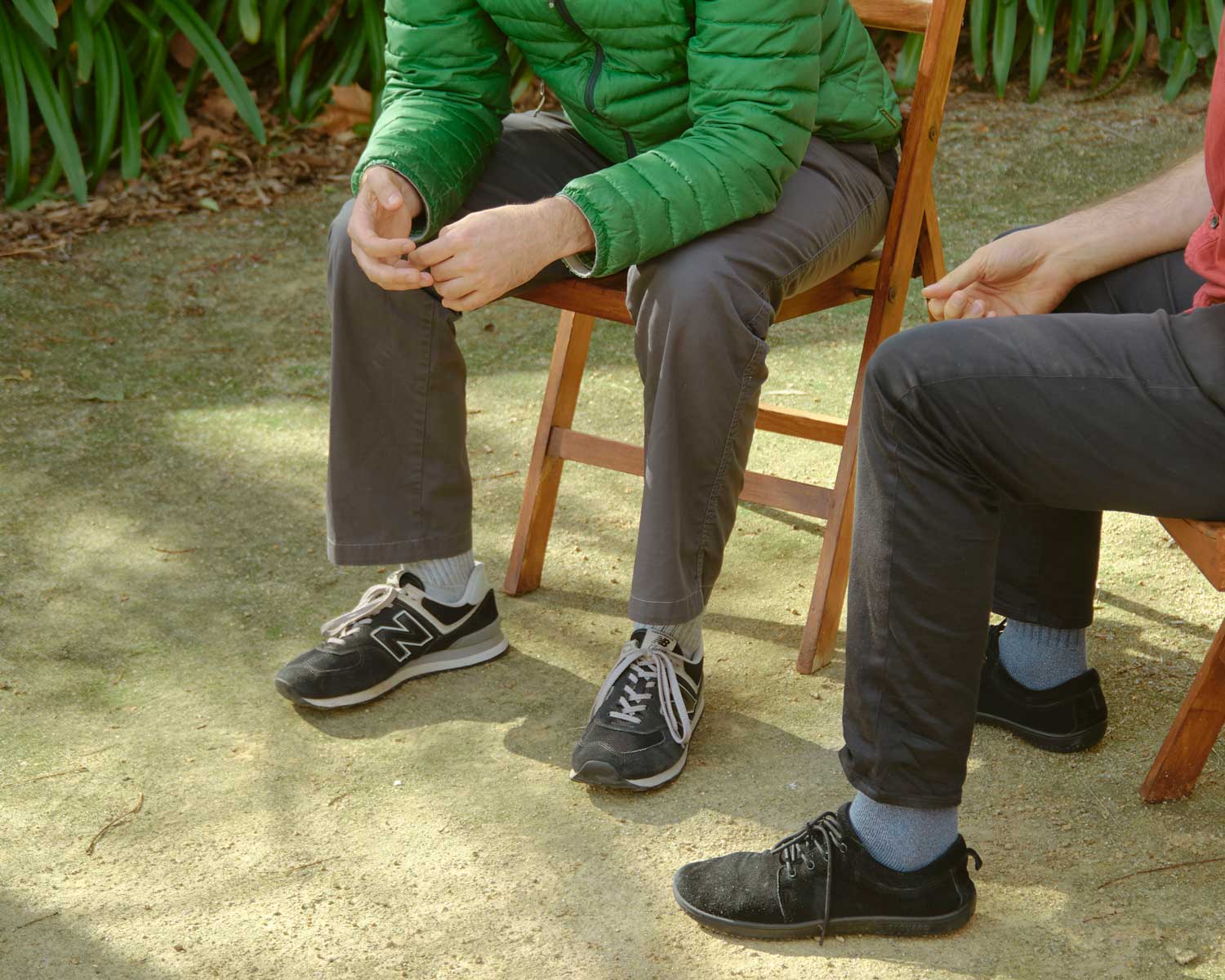
Earlier this year, in what may be an Australian first, over-the-phone mental health appointments from prison were arranged and bulk-billed under Medicare.
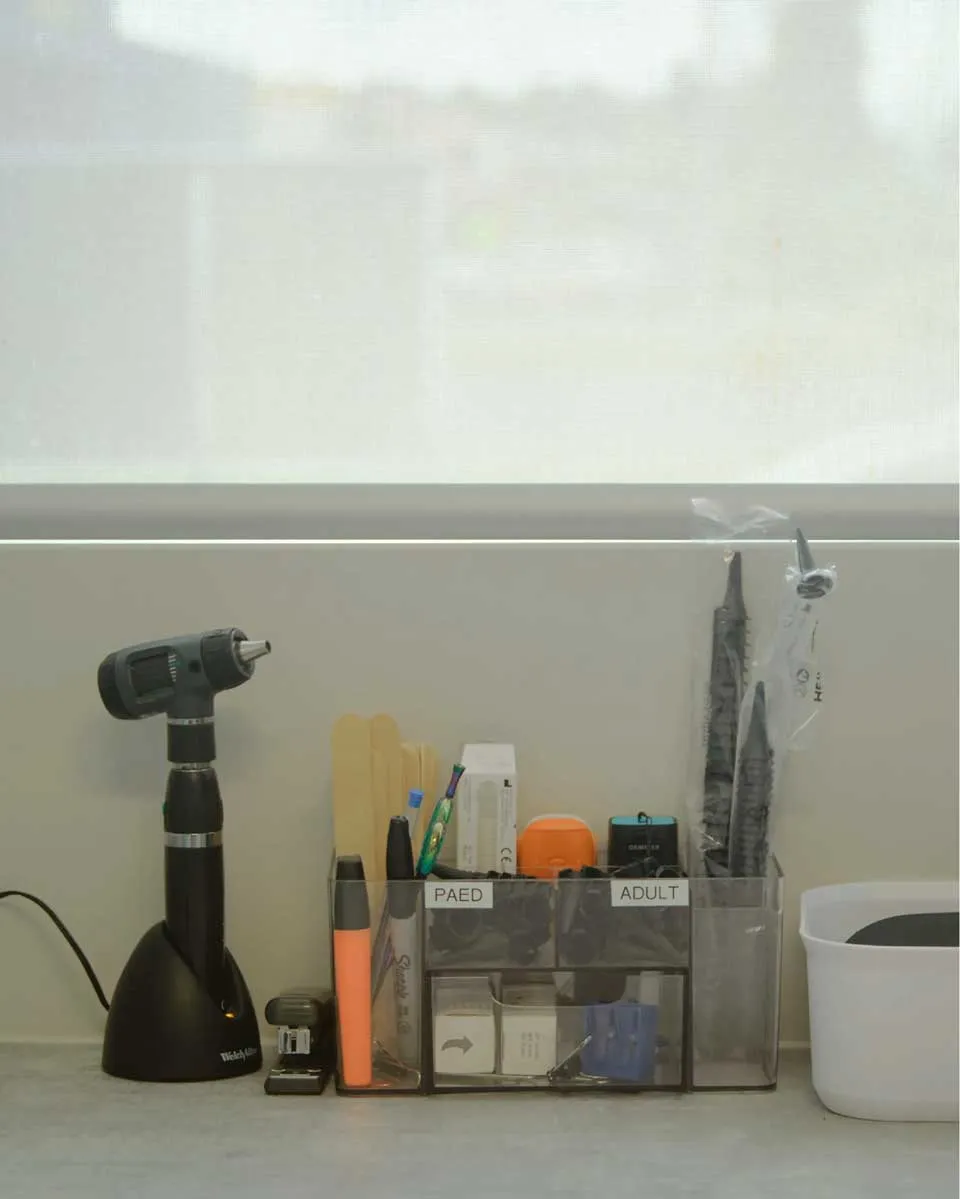
It’s estimated that about a third of all people in prison in Australia have a mental health diagnosis. Despite the huge need for support and care, a lack of staffing across the country has meant that many people in prison have been unable to get help.

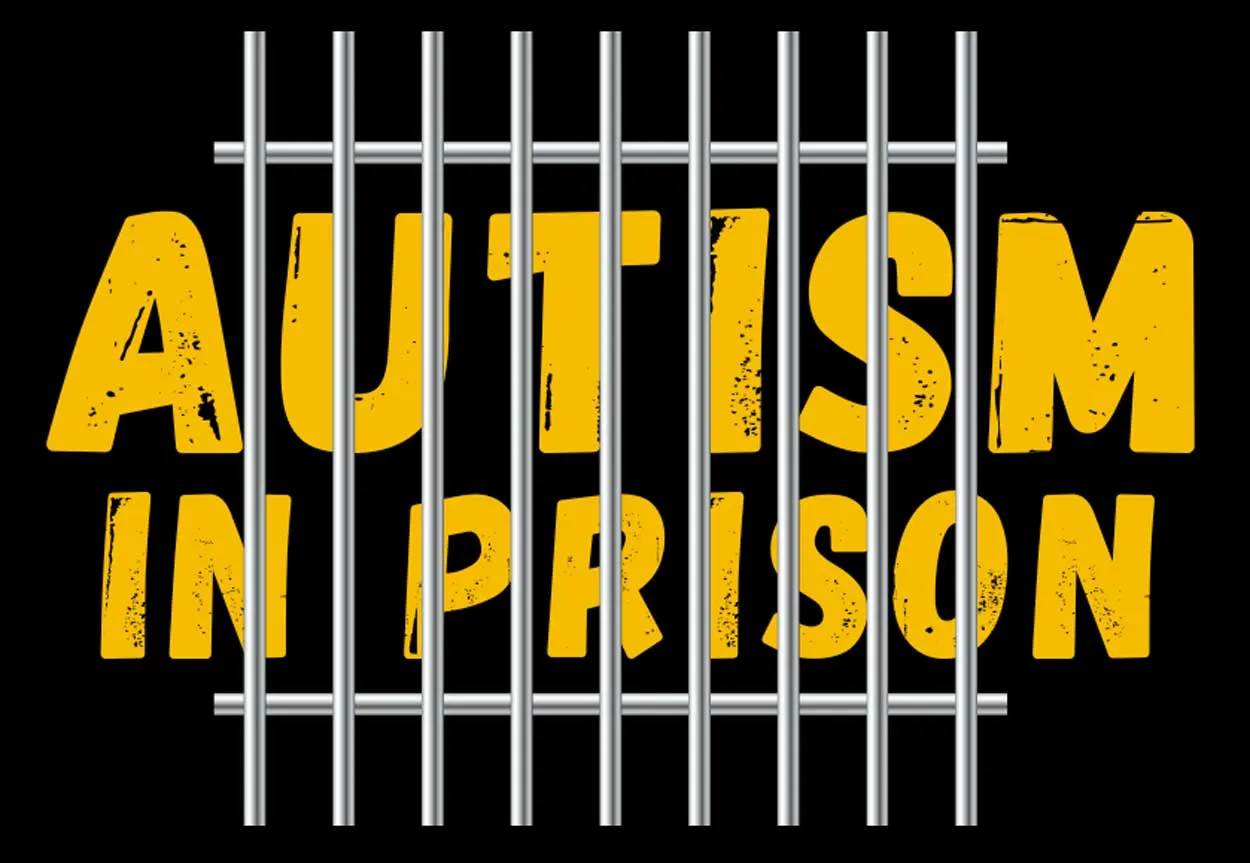
Prisons de-individualise and dehumanise people. This is often more apparent for people who already do not fit the mold of a “normal person”, such as those with autism spectrum disorder (autism).
Remand. Difficult times. Difficult times!!! Being on remand, in my opinion, is one of the most trying and testing parts of being in jail.
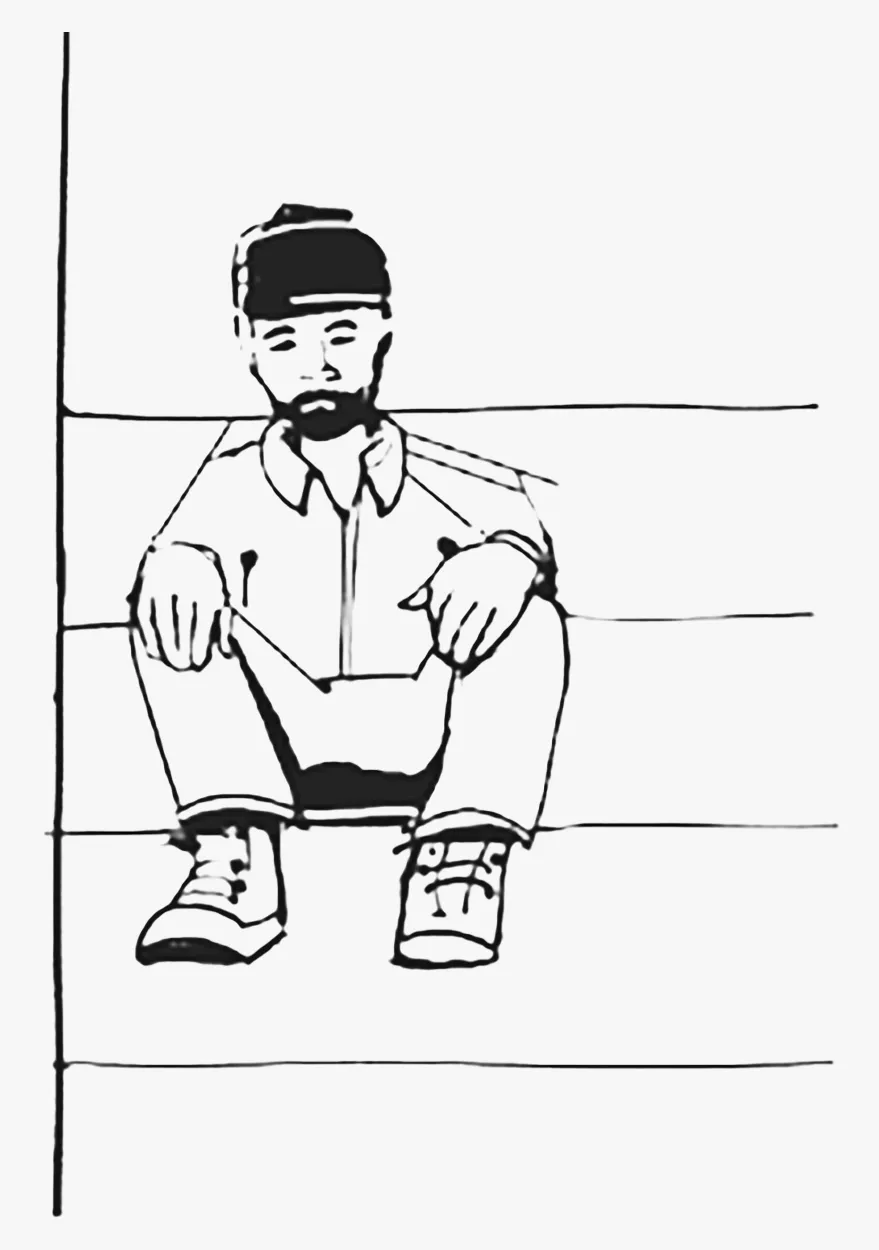
Stress is an unavoidable part of life, but within a prison environment it is often increased by uncertainty, loss of freedom, separation from loved ones, conflict, boredom, and concerns about the future.

Solitary confinement is unfortunately all too common in Australian prisons.
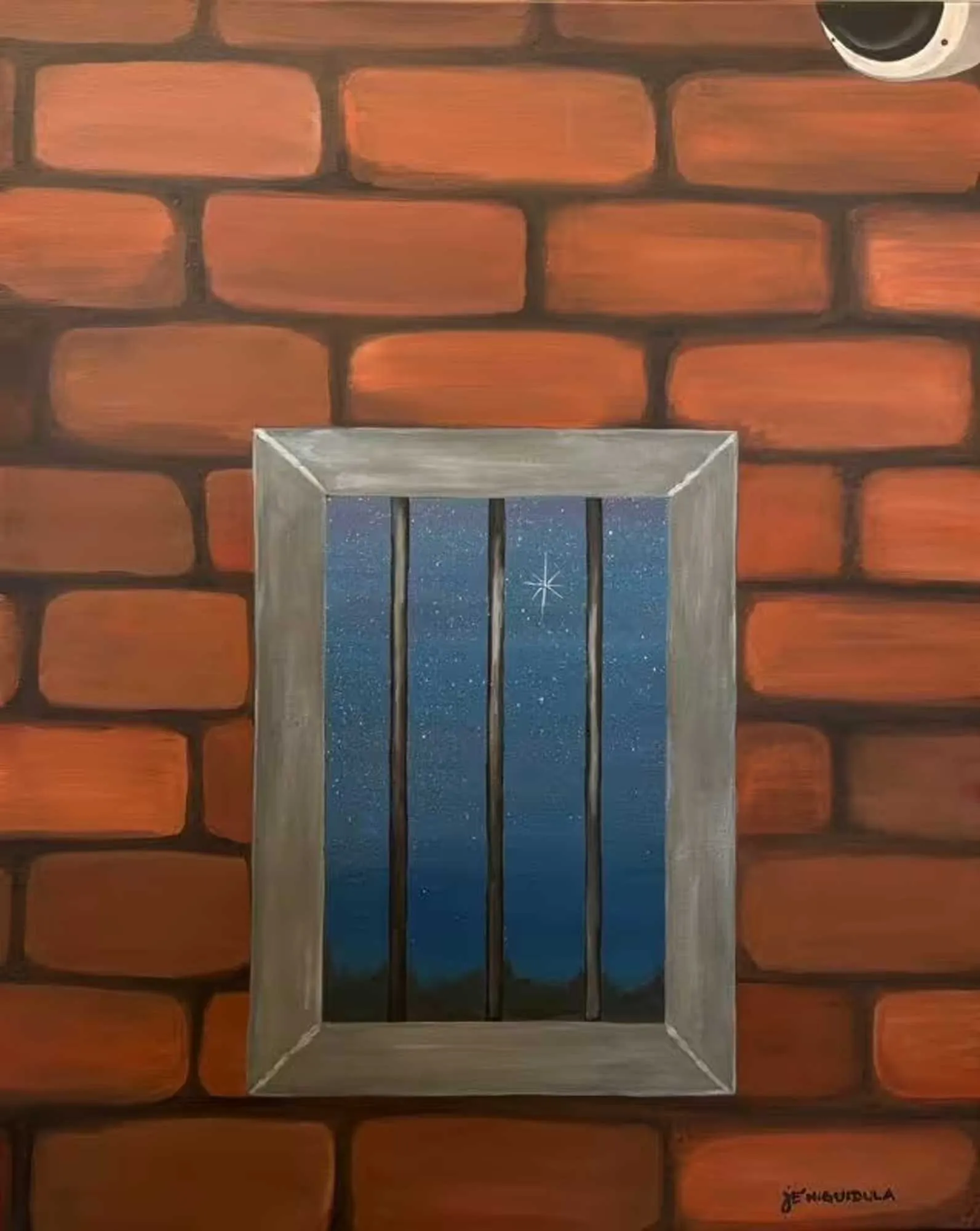
Sadness. Stress. Fear. These emotions feel like they are swallowing us whole. When we feel these emotions, it is hard to see anything other than the feeling, especially when in prison. Every emotion has a message behind it.

Today I sit down with Jacob Little to have a yarn and share some knowledge about resilience and how he managed his mental health in prison.
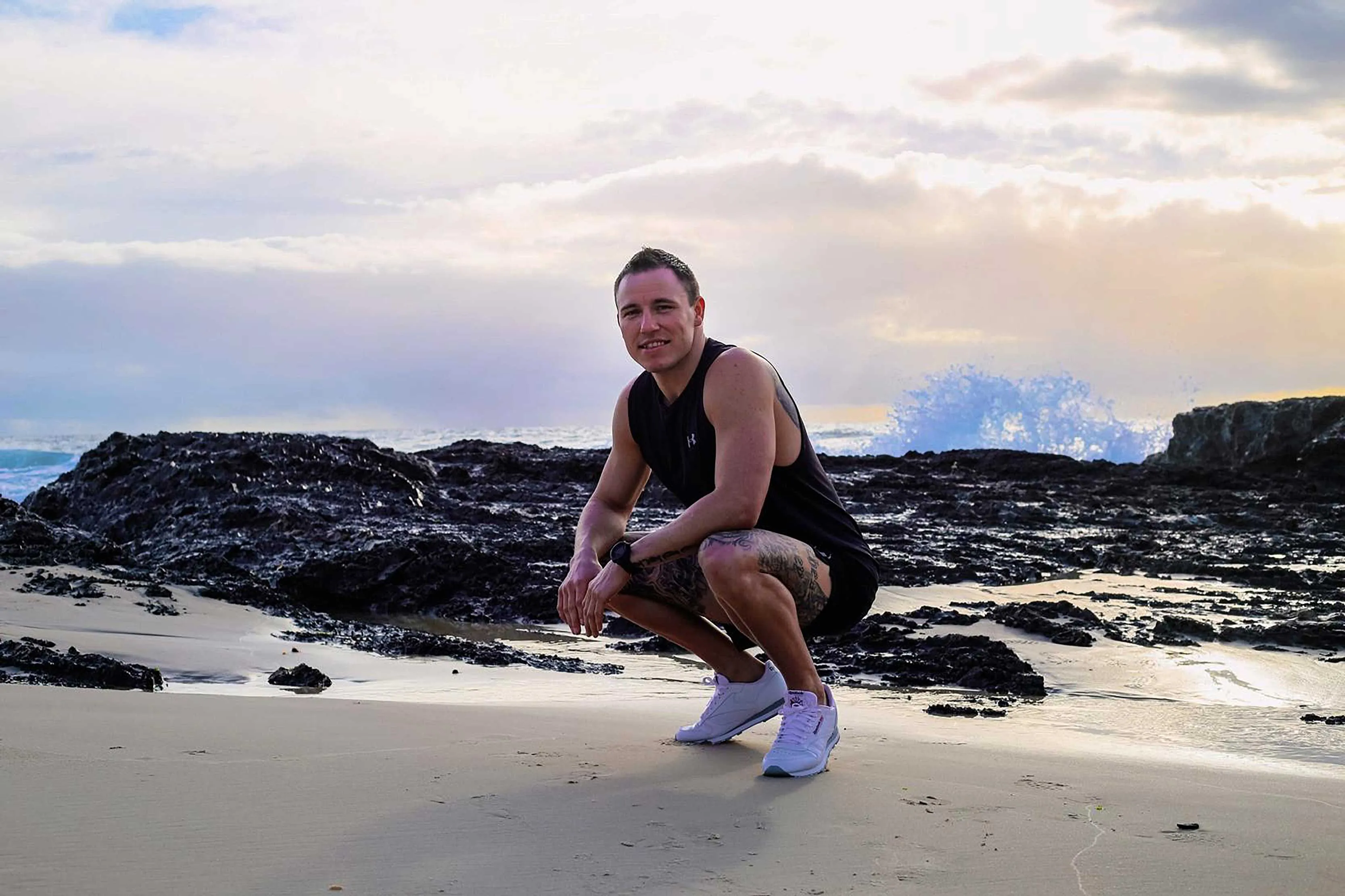
Not once did somebody ask me what I needed, what mattered to me, or what healing looked like from my perspective.