Australia's National
Prison Newspaper

Australia's National
Prison Newspaper

Welcome to About Time

About Time is the national newspaper for Australian prisons and detention facilities

Your browser window currently does not have enough height, or is zoomed in too far to view our website content correctly. Once the window reaches the minimum required height or zoom percentage, the content will display automatically.

Alternatively, you can learn more via the links below.

Donations via GiveNow

Email

Instagram

LinkedIn

ISSUE NO. 14

September 2025

ISSUE NO. 14

+

Sections

September 2025

Donate Here

Reintegration

The Road Back

Understanding reintegration and re-entry
By

Dr Carollyne Youssef

Dr Carollyne Youssef is a Psychologist at PsychOrium.

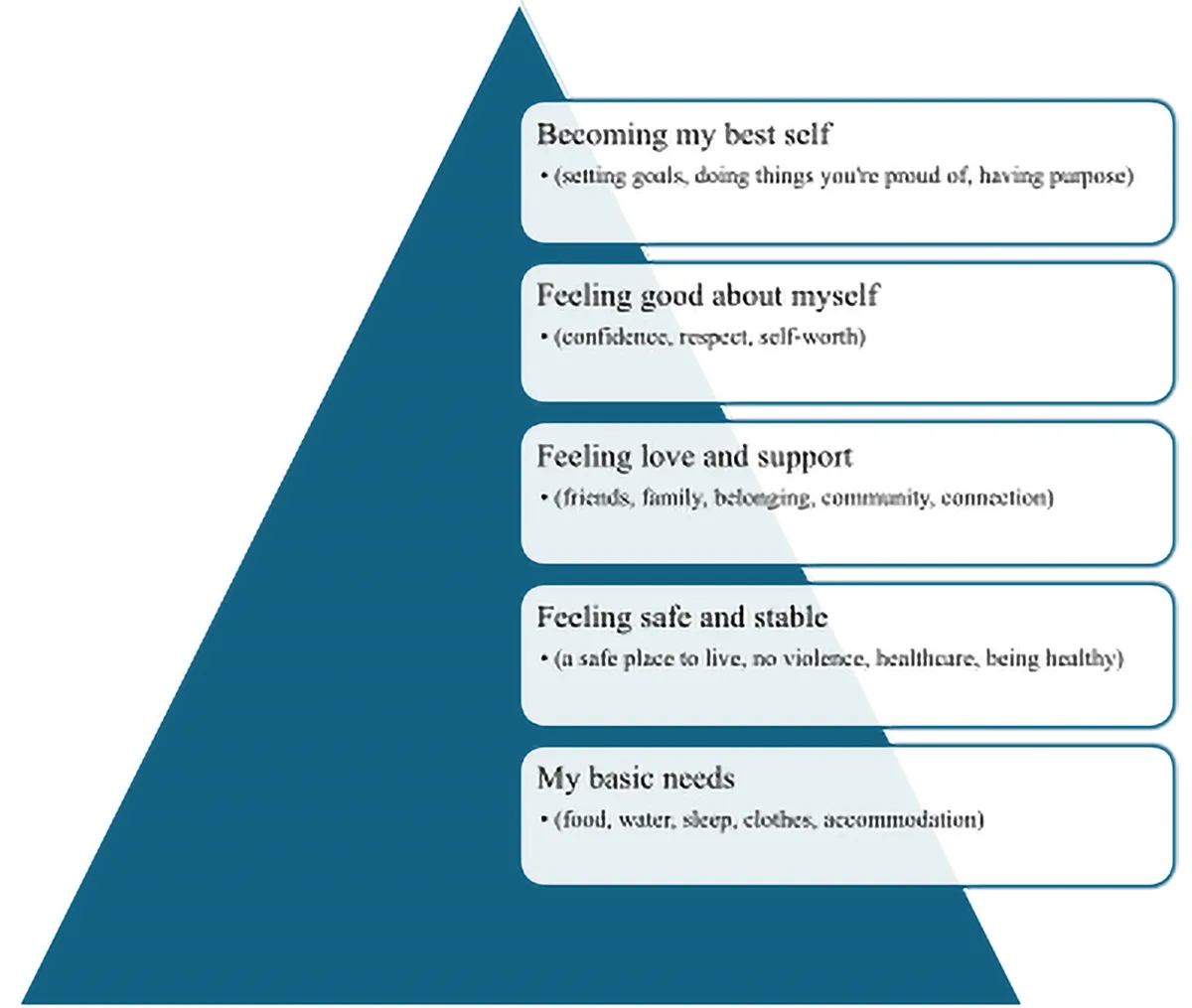
Maslow’s Hierarchy of Needs

Font Size
Font Size
Line Height
Line Height
Dyslexia Friendly
Black & White
Hide Images
Night Mode

Release can feel like a distant flicker – filled with both hope and uncertainty. But, when the gates open, freedom isn’t just liberating; it can be overwhelming. That moment marks the practical start of “re-entry” and the long-term journey known as “reintegration”.

Re-entry refers to the time when you are released from prison and return to the community. More than just walking out the gate, it is about (re)building your life after being away. That includes finding housing, reconnecting with family and other supports, getting work, staying healthy and avoiding situations that could lead to reoffending.

Re-entry starts before you leave prison. It is the planning, courses, skills and the mental prep. Taking steps now, while inside, can give you a stronger foundation when the time comes to get out and start the process of reintegration.

Reintegration is the longer process of becoming part of society (again), not just physically but emotionally, socially and economically. It’s learning how to live free and regaining a sense of self-worth, belonging and stability. It means dealing with the challenges of stigma and mistrust and navigating a world that may have changed a lot while you were gone.

Some of the hardest parts of reintegration are invisible: rebuilding trust with loved ones, fighting the fear that you might mess up or learning to make your own decisions. Reintegration is a journey that takes time, and, yes, you do need patience and lots of it.

When you are coming out after a period of structure, routine, predictability and choices largely being made for you, the thought of being out for some is overwhelming, and there are those who may dread release.

If that is something you can relate to, you are not alone, and that is not unusual. You need to be kind to yourself and have the mindset that this is a process, a journey. It’s not instant and will require time, commitment, hope and perseverance.

Some people in custody feel like they were never part of the community to begin with. So rejoining society again may not even be about returning. It could be your first attempt at connecting with the community, which is no small feat.

Coming home isn’t always easy. Some people are released without stable housing, job options or support. Others are battling addiction, trauma or mental health issues. Relationships may be strained, and it might feel like the system is working against you. But you are more than your past, and your future is still yours to build.

Successful re-entry often depends on meeting basic needs first: a place to live, food and clothing, healthcare, identification and documents, income or employment and emotional and social support. These are basic and fundamental needs that need to be addressed for long-term success before other goals are sought. I’ve worked with many people who had been in custody for lengthy periods, only to come out, establish these basic needs (not without some stress) and, many years later, live parole free in the community.

Psychologist Abraham Maslow explained that basic needs like food, shelter and safety must be met before a person can focus on higher goals like self-esteem or personal growth.

For someone re-entering the community without stable housing, healthcare or income, it’s hard to focus on relationships, finding purpose or staying on track. Reintegration starts at the bottom of that pyramid and works its way up.

Depending on where you’re released, there are usually services to help you transition. Ask your case manager, welfare or therapy staff about programs in your area. Knowledge is power and planning is survival.

If your release is near or even just a hope for now, remember this: you are not alone. Every day, people return to the community and make it work. I work with those people daily. They are people who have been in and felt like they lost so much, only to re-enter and make inspirational strides towards their reintegration and goals – not perfectly, not easily, but with patience, support and persistence – one day at a time, until those days become years.

Reintegration is hard but not impossible. The same courage you have in prison is the courage that carries you forward. You are not just returning. You are rebuilding or, for some, building. You deserve a life that means something. Start now, today, and keep preparing. No doubt, you have survived things that have been difficult. That strength does not disappear when you walk out. It comes with you, because it is within you. No one can take that away from you.

Release can feel like a distant flicker – filled with both hope and uncertainty. But, when the gates open, freedom isn’t just liberating; it can be overwhelming. That moment marks the practical start of “re-entry” and the long-term journey known as “reintegration”.

Re-entry refers to the time when you are released from prison and return to the community. More than just walking out the gate, it is about (re)building your life after being away. That includes finding housing, reconnecting with family and other supports, getting work, staying healthy and avoiding situations that could lead to reoffending.

Re-entry starts before you leave prison. It is the planning, courses, skills and the mental prep. Taking steps now, while inside, can give you a stronger foundation when the time comes to get out and start the process of reintegration.

Reintegration is the longer process of becoming part of society (again), not just physically but emotionally, socially and economically. It’s learning how to live free and regaining a sense of self-worth, belonging and stability. It means dealing with the challenges of stigma and mistrust and navigating a world that may have changed a lot while you were gone.

Some of the hardest parts of reintegration are invisible: rebuilding trust with loved ones, fighting the fear that you might mess up or learning to make your own decisions. Reintegration is a journey that takes time, and, yes, you do need patience and lots of it.

When you are coming out after a period of structure, routine, predictability and choices largely being made for you, the thought of being out for some is overwhelming, and there are those who may dread release.

If that is something you can relate to, you are not alone, and that is not unusual. You need to be kind to yourself and have the mindset that this is a process, a journey. It’s not instant and will require time, commitment, hope and perseverance.

Some people in custody feel like they were never part of the community to begin with. So rejoining society again may not even be about returning. It could be your first attempt at connecting with the community, which is no small feat.

Coming home isn’t always easy. Some people are released without stable housing, job options or support. Others are battling addiction, trauma or mental health issues. Relationships may be strained, and it might feel like the system is working against you. But you are more than your past, and your future is still yours to build.

Successful re-entry often depends on meeting basic needs first: a place to live, food and clothing, healthcare, identification and documents, income or employment and emotional and social support. These are basic and fundamental needs that need to be addressed for long-term success before other goals are sought. I’ve worked with many people who had been in custody for lengthy periods, only to come out, establish these basic needs (not without some stress) and, many years later, live parole free in the community.

Psychologist Abraham Maslow explained that basic needs like food, shelter and safety must be met before a person can focus on higher goals like self-esteem or personal growth.

For someone re-entering the community without stable housing, healthcare or income, it’s hard to focus on relationships, finding purpose or staying on track. Reintegration starts at the bottom of that pyramid and works its way up.

Depending on where you’re released, there are usually services to help you transition. Ask your case manager, welfare or therapy staff about programs in your area. Knowledge is power and planning is survival.

If your release is near or even just a hope for now, remember this: you are not alone. Every day, people return to the community and make it work. I work with those people daily. They are people who have been in and felt like they lost so much, only to re-enter and make inspirational strides towards their reintegration and goals – not perfectly, not easily, but with patience, support and persistence – one day at a time, until those days become years.

Reintegration is hard but not impossible. The same courage you have in prison is the courage that carries you forward. You are not just returning. You are rebuilding or, for some, building. You deserve a life that means something. Start now, today, and keep preparing. No doubt, you have survived things that have been difficult. That strength does not disappear when you walk out. It comes with you, because it is within you. No one can take that away from you.

Reintegration

ISSUE NO. 12

4 MIN READ

Back on the Path of Freedom

Back on the Path of Freedom

Back on the Path of Freedom

By Cruise
By Cruise

I was released about four weeks ago and I was quite stressed. To be completely honest, I didn't really want to leave. The truth is, I loved prison and it became part of my identity.

Reintegration

ISSUE NO. 9

6 MIN READ

From Prison to the Outside: Dealing With the Loneliness

From Prison to the Outside: Dealing With the Loneliness

From Prison to the Outside: Dealing With the Loneliness

By Community Restorative Centre (republished from the 'Survival on the Outside' guide)

Feeling isolated and lonely is very common after you’ve left prison. In prison you didn’t expect to open up to people and enjoy their company. Now you’re outside, it takes time to relax and be friendly to people.

Reintegration

ISSUE NO. 2

10 MIN READ

Finding Yourself Again

Finding Yourself Again

Finding Yourself Again

By Dr Carollyne Youssef

When the walls close in, both physically and mentally, it is easy to feel like the person you once was has been lost. For many, incarceration becomes not only a punishment but a pause. A disconnection from one’s true self.

Reintegration

ISSUE NO. 18

3 MIN READ

Leave a Comment

Thank you! Your submission has been received!
Oops! Something went wrong while submitting the form.
0 Comments
Author Name
Comment Time

Lorem ipsum dolor sit amet, consectetur adipiscing elit. Suspendisse varius enim in eros elementum tristique. Duis cursus, mi quis viverra ornare, eros dolor interdum nulla, ut commodo diam libero vitae erat. Aenean faucibus nibh et justo cursus id rutrum lorem imperdiet. Nunc ut sem vitae risus tristique posuere. uis cursus, mi quis viverra ornare, eros dolor interdum nulla, ut commodo diam libero vitae erat. Aenean faucibus nibh et justo cursus id rutrum lorem imperdiet. Nunc ut sem vitae risus tristique posuere.

Finding Yourself Again

By Dr Carollyne Youssef

When the walls close in, both physically and mentally, it is easy to feel like the person you once was has been lost. For many, incarceration becomes not only a punishment but a pause. A disconnection from one’s true self.

Reintegration

ISSUE NO. 18

3 MIN READ

Preparing for Employment While Inside

By John Kotsifas

At first, it felt like nobody wanted to give me a chance. But, eventually, one employer took a chance on me. That warehouse job may not have looked like much to others, but to me it was everything: it gave me purpose, structure and, most of all, hope.

Reintegration

ISSUE NO. 17

3 MIN READ

Recognising the Trauma of Imprisonment

By Steve Rothwell

Prison is endured, not processed. The trauma often goes unrecognised and unacknowledged. Many of us hide the damage, even from ourselves. Without validation, we carry it alone – mistaking struggle for weakness, layering self-blame on top of trauma and finding no clear path to relief.

Reintegration

ISSUE NO. 16

3 MIN READ

Sticking to the Road With Simon Fenech

An interview with About Time

Simon Fenech is the General Manager/Director at social enterprise Fruit2Work in Victoria. His transformation from a drug addict, buried deep in Australia’s criminal underworld, to an inspirational figure, intent on changing the lives of others, is remarkable.

Reintegration

ISSUE NO. 15

5 MIN READ

Get the full paper in print each month.

6-Month Subscription:

Physical copy of About Time delivered to your home or organisation each month for six months. Paid upfront.

Subscribe for $70

12-Month Subscription:

Physical copy of About Time delivered to your home or organisation each month for twelve months. Paid upfront.

Subscribe for $125

Newsletter

Be the first to learn about our monthly stories, plus new initiatives and live events

You've successfully registered!
Something went wrong when we tried to register your details. Please try again.

Support Australia's First National Prison Newspaper

A place for news and education, expression and hope

Help keep the momentum going. All donations will be vital in providing an essential resource for people in prison and their loved ones.

All donations of $2 or more are tax deductible. If you would like to pay directly into our bank account to avoid the processing fee, please contact donate@abouttime.org.au. ABN 67 667 331 106.

It's
About Time.

A place for news and education, expression and hope.

Help us get About Time off the ground. All donations are tax deductible and will be vital in providing an essential resource for people in prison and their loved ones.

Donate Here

Newsletter

Be the first to learn about our monthly stories, plus new initiatives and live events

You've successfully registered!
Something went wrong when we tried to register your details. Please try again.