Whistleblowing Laws: Protecting Those Who Speak Out
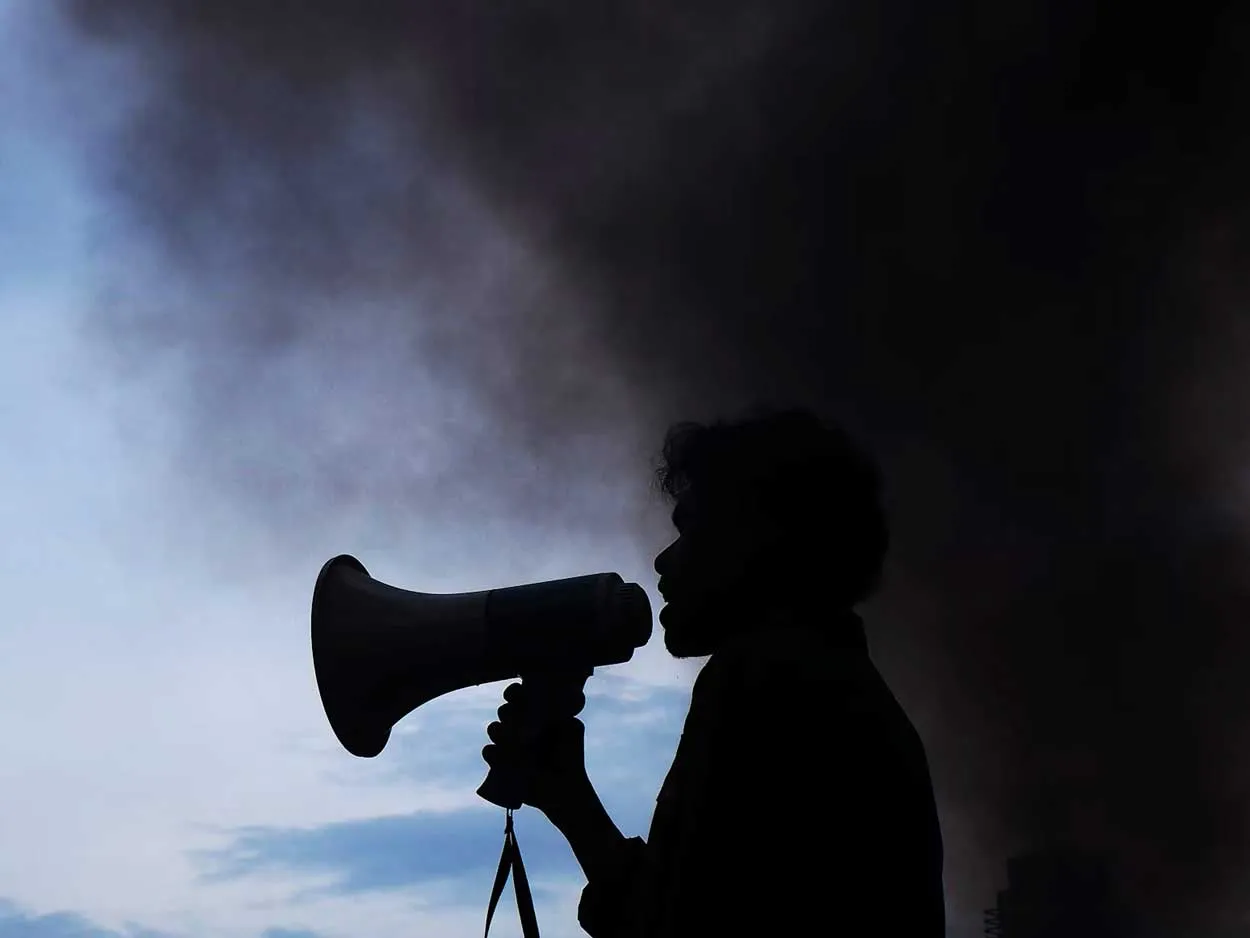
Iqro Rinaldi via Unsplash


Your browser window currently does not have enough height, or is zoomed in too far to view our website content correctly. Once the window reaches the minimum required height or zoom percentage, the content will display automatically.
Alternatively, you can learn more via the links below.
Wrongdoing thrives in the darkness. Too often, it is only because of brave people who speak out that the public learns what is happening in the shadows. Those brave people are whistleblowers, and they play a vital role in protecting the wellbeing and dignity of people in prisons.
In 2022, Tasmanian youth detention worker Alysha spoke out about abuse at Ashley Youth Detention Centre. Her whistleblowing sparked a government inquiry and paved the way for a class action lawsuit. In Victoria in recent years whistleblowers have spoken up about unsafe conditions in youth detention, while whistleblowers in immigration detention have likewise exposed mistreatment that would have otherwise stayed hidden.
Without whistleblowers, the actions of governments and companies would often go unchecked. In places where a culture of silence can thrive, speaking up is more important than ever.
In Australia, whistleblowing laws protect people who speak out or “blow the whistle”. Misuse of public funds, human rights abuses, threats to health and safety and misconduct can all be reported under whistleblowing laws.
In every state and territory, there are whistleblowing laws known as “Public Interest Disclosure” (or “PID”) laws, which protect people who speak up about wrongdoing in the public sector. PID laws generally protect whistleblowers in their employment or work but can sometimes also protect people in prison, their family members or loved ones.
Under all whistleblowing laws, a person who speaks up by making a report under the legal pathway will be protected from retaliation, including being bullied, harassed, fired from their employment or treated badly because they blew the whistle.
In some states, including Victoria, South Australia, Western Australia and the Northern Territory, PID laws protect any person who speaks out about public sector wrongdoing. This means that whistleblowing laws are relevant not only for workers in prisons but for those inside and their family too.
Not all complaints will fall under whistleblowing laws. But, if the problem is serious or involves wrongdoing of prison workers, you may be protected in speaking up.
An example could be where an incarcerated person has a health condition that requires treatment. The health service is provided to the incarcerated person by a company, through an agreement with the public prison. The incarcerated person believes that an officer has documented medical treatments, when those treatments weren’t actually provided to them. This might amount to corruption or misuse of public funds by the prison officer.
The incarcerated person could be protected to raise their concerns under PID laws, for example, to the ombudsman in their state or territory. The protections under whistleblowing law would mean that it would be an offence for someone (including other prison officers) to harass, intimidate or treat the incarcerated person badly because they spoke up.
A culture of silence is particularly dangerous where officers fail to report wrongdoing of their colleagues.
PID laws in each state and territory protect people who work for the government. Many correctional facilities across Australia are serviced by private companies contracted to government – PID laws often apply to those private sector workers, in addition to public servants working in prisons.
Under all PID laws in Australia, government workers or contractors will be protected in speaking up to the head of their agency or to external regulators like an anti-corruption body or the ombudsman. These laws also typically require government agencies to investigate reports of wrongdoing.
There are also whistleblower protection laws for workers of private companies in Australia who speak out about misconduct to someone senior at their company, such as a CEO or director.
It can be difficult to know what to do when you see wrongdoing happen.
You can find information about making a complaint or PID by contacting the ombudsman in your state or territory. You can also speak to an Official Visitor if they visit, who can receive complaints from incarcerated people and staff.
For workers, the easiest way to find out how to blow the whistle is to look for your whistleblowing policy – sometimes called a “Speak-Up Policy” or “Public Interest Disclosure Policy”.
When thinking about blowing the whistle, consider getting legal advice first. The Whistleblower Project at the Human Rights Law Centre is a free legal service for whistleblowers. You can reach out to us through our website or ask a loved one or a lawyer to contact us on your behalf.
Since launching, the Whistleblower Project has helped many clients safely speak out about wrongdoing in prison settings. We can help you by giving advice on whether you are protected by whistleblowing laws, how to safely report wrongdoing and what to do if you suffer poor treatment for speaking up.
It can be tempting to turn a blind eye to wrongdoing, to think, “This is not my problem.” That is particularly the case when there is a culture of silence or a desire not to cause problems.
But bad things happen when good people fail to speak up. Whistleblowers make Australia a better place.
Wrongdoing thrives in the darkness. Too often, it is only because of brave people who speak out that the public learns what is happening in the shadows. Those brave people are whistleblowers, and they play a vital role in protecting the wellbeing and dignity of people in prisons.
In 2022, Tasmanian youth detention worker Alysha spoke out about abuse at Ashley Youth Detention Centre. Her whistleblowing sparked a government inquiry and paved the way for a class action lawsuit. In Victoria in recent years whistleblowers have spoken up about unsafe conditions in youth detention, while whistleblowers in immigration detention have likewise exposed mistreatment that would have otherwise stayed hidden.
Without whistleblowers, the actions of governments and companies would often go unchecked. In places where a culture of silence can thrive, speaking up is more important than ever.
In Australia, whistleblowing laws protect people who speak out or “blow the whistle”. Misuse of public funds, human rights abuses, threats to health and safety and misconduct can all be reported under whistleblowing laws.
In every state and territory, there are whistleblowing laws known as “Public Interest Disclosure” (or “PID”) laws, which protect people who speak up about wrongdoing in the public sector. PID laws generally protect whistleblowers in their employment or work but can sometimes also protect people in prison, their family members or loved ones.
Under all whistleblowing laws, a person who speaks up by making a report under the legal pathway will be protected from retaliation, including being bullied, harassed, fired from their employment or treated badly because they blew the whistle.
In some states, including Victoria, South Australia, Western Australia and the Northern Territory, PID laws protect any person who speaks out about public sector wrongdoing. This means that whistleblowing laws are relevant not only for workers in prisons but for those inside and their family too.
Not all complaints will fall under whistleblowing laws. But, if the problem is serious or involves wrongdoing of prison workers, you may be protected in speaking up.
An example could be where an incarcerated person has a health condition that requires treatment. The health service is provided to the incarcerated person by a company, through an agreement with the public prison. The incarcerated person believes that an officer has documented medical treatments, when those treatments weren’t actually provided to them. This might amount to corruption or misuse of public funds by the prison officer.
The incarcerated person could be protected to raise their concerns under PID laws, for example, to the ombudsman in their state or territory. The protections under whistleblowing law would mean that it would be an offence for someone (including other prison officers) to harass, intimidate or treat the incarcerated person badly because they spoke up.
A culture of silence is particularly dangerous where officers fail to report wrongdoing of their colleagues.
PID laws in each state and territory protect people who work for the government. Many correctional facilities across Australia are serviced by private companies contracted to government – PID laws often apply to those private sector workers, in addition to public servants working in prisons.
Under all PID laws in Australia, government workers or contractors will be protected in speaking up to the head of their agency or to external regulators like an anti-corruption body or the ombudsman. These laws also typically require government agencies to investigate reports of wrongdoing.
There are also whistleblower protection laws for workers of private companies in Australia who speak out about misconduct to someone senior at their company, such as a CEO or director.
It can be difficult to know what to do when you see wrongdoing happen.
You can find information about making a complaint or PID by contacting the ombudsman in your state or territory. You can also speak to an Official Visitor if they visit, who can receive complaints from incarcerated people and staff.
For workers, the easiest way to find out how to blow the whistle is to look for your whistleblowing policy – sometimes called a “Speak-Up Policy” or “Public Interest Disclosure Policy”.
When thinking about blowing the whistle, consider getting legal advice first. The Whistleblower Project at the Human Rights Law Centre is a free legal service for whistleblowers. You can reach out to us through our website or ask a loved one or a lawyer to contact us on your behalf.
Since launching, the Whistleblower Project has helped many clients safely speak out about wrongdoing in prison settings. We can help you by giving advice on whether you are protected by whistleblowing laws, how to safely report wrongdoing and what to do if you suffer poor treatment for speaking up.
It can be tempting to turn a blind eye to wrongdoing, to think, “This is not my problem.” That is particularly the case when there is a culture of silence or a desire not to cause problems.
But bad things happen when good people fail to speak up. Whistleblowers make Australia a better place.
All parole orders must have conditions setting out what you are required to do and what you must not do while on parole.
There are lots of reasons why people may get lighter or heavier sentences than someone else who has committed the same crime.
This guide doesn’t assume fair treatment, but it hopes to offer some tools to help you navigate online court while in prison.
A parole order will include general and specific conditions. These include getting approval from the relevant authority for any travel interstate, or overseas.
The law, like other professions, has its own language. It helps keep all the lawyers huddled around some special stuff and keep the rest of us outside.
On 1 April 2026, the Australian Parliament passed new laws which will change the way Commonwealth parole works.
People in prison can apply to transfer from a prison in one state or territory to another, generally for welfare reasons to be closer to family, community supports, or rehabilitation opportunities.
Inspectors and ombudsmen regularly go to prisons and publish reports on what they find and what they think needs to be improved. They also complete reports on issues such as access to healthcare or the use of segregation.