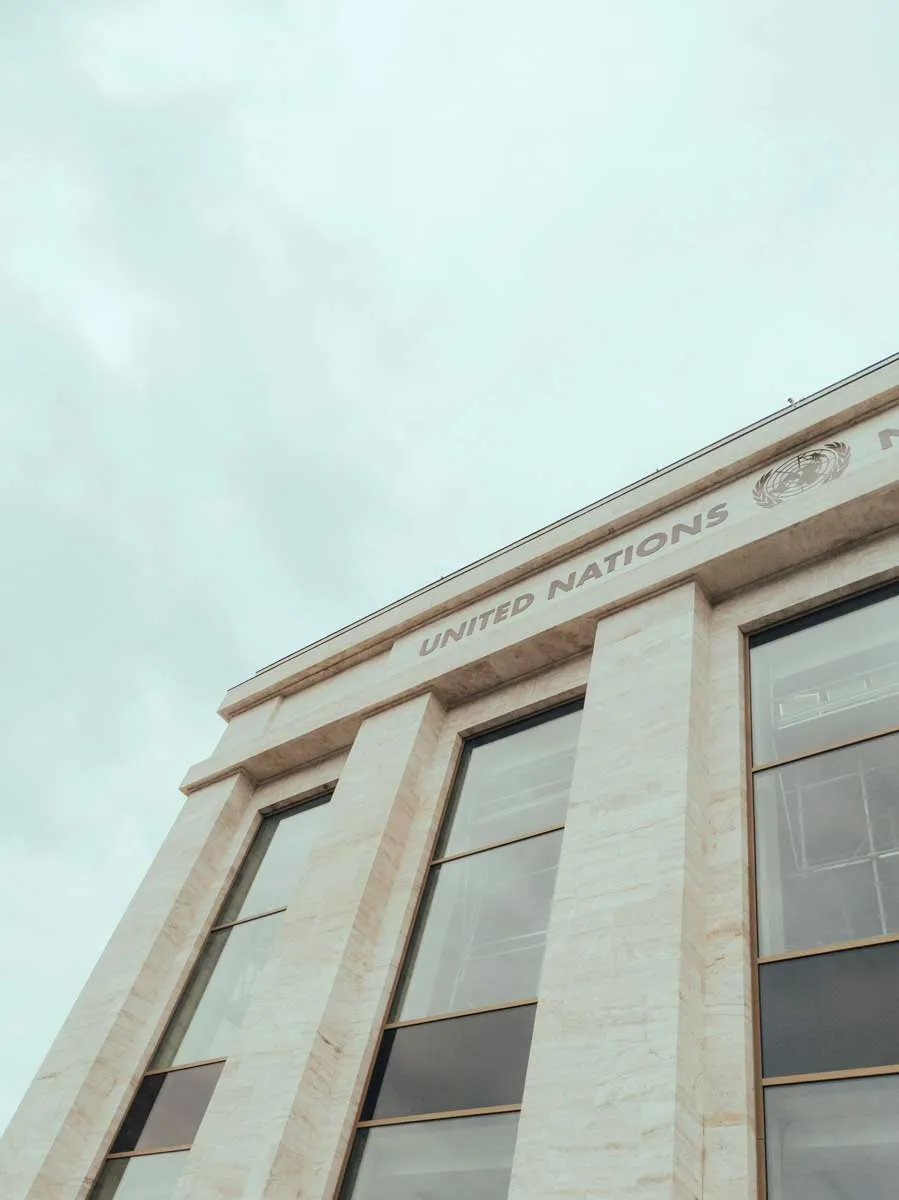
In July 2025, four organisations came together to make sure the truth about prisons, policing and criminalisation in Australia was heard on the world stage. Sisters Inside, the National Network of Incarcerated and Formerly Incarcerated Women and Girls, Scarlet Alliance, and the Asian Migrant Sex Worker Advisory Group lodged a joint submission to the United Nations as part of Australia’s Fourth Universal Periodic Review (UPR), a process where countries are examined on their human rights record.
This submission was not just another policy document. It was built from the lived experiences of people who have been incarcerated, criminalised, targeted by police, detained at borders, or pushed to the margins. Our communities demanded that their knowledge and reality be included. When it became clear that these perspectives were being sidelined in larger NGO processes, we made the decision to stand together and speak directly to the UN.
The joint submission exposes the ongoing human rights abuses happening across Australia: deaths in custody, the mass-imprisonment of First Nations people, the rapid increase in women’s incarceration, the imprisonment of children as young as ten, and the criminalisation of disability, poverty and survival. It also highlights the experiences of migrant and sex worker communities facing racial profiling, detention and police harassment.
The submission called for urgent action, including ending the imprisonment of children, repealing punitive bail laws, abolishing strip searches, banning solitary confinement, and halting prison expansion. It called on investment in community-led solutions instead of punishment: housing, health care, income support, and culturally led services that actually keep communities safe. True safety does not come from more surveillance, more police or more prisons. It comes from meeting people’s needs and respecting their dignity.
Importantly, this joint submission represents solidarity across communities often treated separately: incarcerated women, sex workers, migrant workers and criminalised people. Together, we are refusing to allow our lives to be reduced to statistics or ignored entirely.
Taking our voices to the United Nations is about accountability. It is about ensuring that what happens in prisons, watch houses, detention centres and on the streets is not hidden. Most of all, it is about building a future where our experiences shape the solutions, and where human rights are real for everyone, including those behind bars.
The submission called for urgent action, including ending the imprisonment of children, repealing punitive bail laws, abolishing strip searches, banning solitary confinement, and halting prison expansion. It called on investment in community-led solutions instead of punishment: housing, health care, income support, and culturally led services that actually keep communities safe. True safety does not come from more surveillance, more police or more prisons. It comes from meeting people’s needs and respecting their dignity.
Importantly, this joint submission represents solidarity across communities often treated separately: incarcerated women, sex workers, migrant workers and criminalised people. Together, we are refusing to allow our lives to be reduced to statistics or ignored entirely.
Taking our voices to the United Nations is about accountability. It is about ensuring that what happens in prisons, watch houses, detention centres and on the streets is not hidden. Most of all, it is about building a future where our experiences shape the solutions, and where human rights are real for everyone, including those behind bars.


