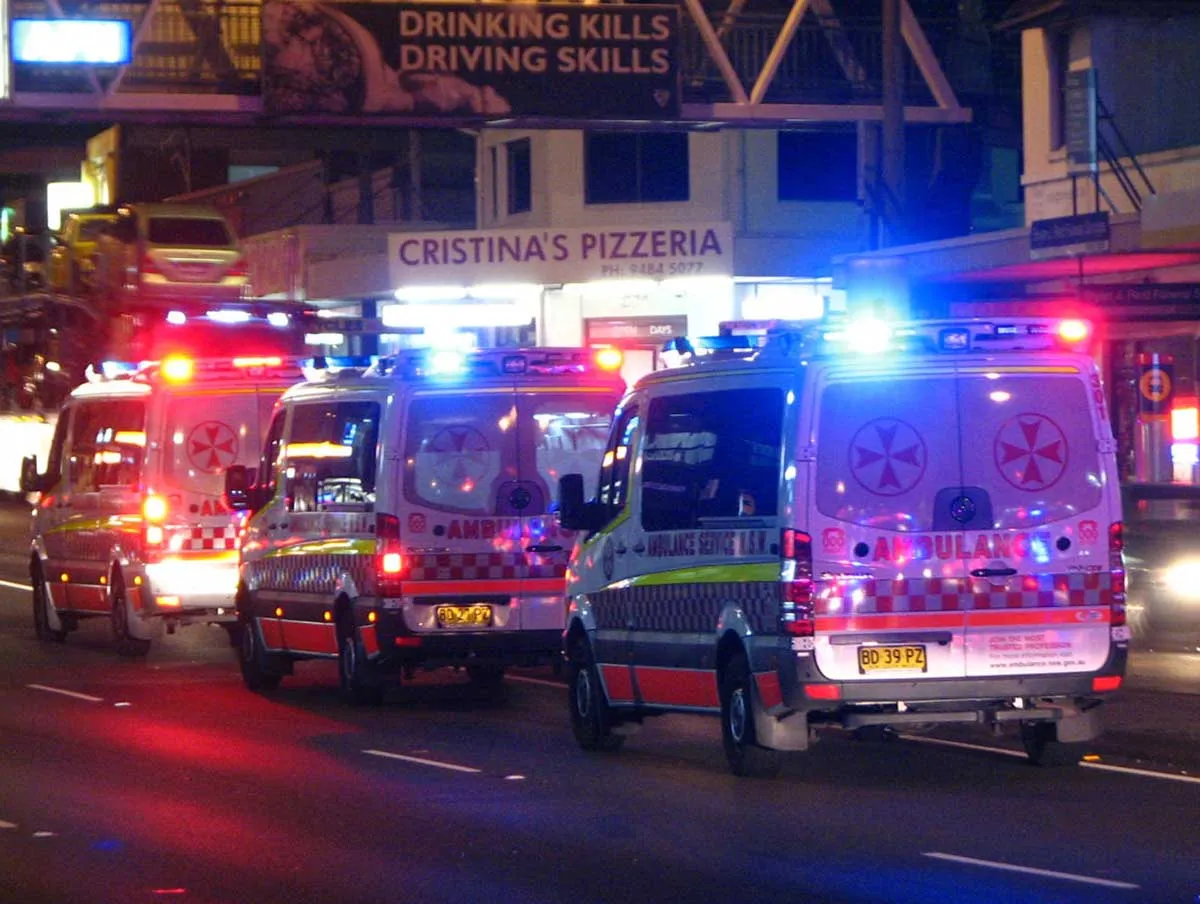
Paramedics rather than police will respond to some mental health emergencies in New South Wales, with the state government introducing a health-based response.
The NSW government has detailed a new statewide mental health emergency response model centred on paramedics responding to people who are in crisis in some cases, instead of police.
New mental health teams will respond to these incidents 12 hours per day, seven days per week in “areas of high need”.
The state government has not revealed further information on which time of the day the teams will operate or where they will be located.
A $270 million investment will go towards efforts to ensure that those experiencing a mental health emergency are connected with appropriate health-led support rather than law enforcement.
Eight Mental Health Acute Assessment Teams will provide immediate support to individuals in crisis and connect them with the right care.
These teams will include a paramedic and specialist mental health nurse.
A Virtual Mental Health Hub will also be established within NSW Ambulance to provide real-time clinical advice to frontline responders.
There have been long-running campaigns to stop police attending events involving people in mental distress following a series of emergencies, including recommendations from the Bondi Junction Coronial Inquest, the NSW Parliamentary Inquiry into community mental health and a NSW Police Force review of mental health incident responses.
According to NSW Police statistics, more than 40 per cent of critical incidents of serious injury or the death of a person interacting with police involved a mental health crisis.
NSW Minister for Mental Health Rose Jackson said this was a “major milestone” for the state.
“When someone is experiencing a mental health crisis, they need the right care from the right people, and that’s exactly what this new health-led responder approach will do,” Jackson said.
“We know this reform has taken time, and that’s because it really matters.”
Human rights law firm National Justice Project said there were a number of unanswered questions around the plan, and that the funding allocated to it fell short.
“Ultimately, this is about keeping people experiencing mental health distress safe and as a campaign and sector we have called for genuine alternatives and there are still many questions to be answered from this announcement,” Alternative First Responders project lead Chloe Fragos said.
The organisation is pushing for further investment in “alternative crisis response systems that prioritise dignity, safety and care over police force”.
The Victorian government is looking at a similar reform after it was recommended by the Royal Commission into Mental Health in late 2024.
The Commission found that the current system was ill-equipped to deal with mental health emergencies, and the involvement of police often led to bad outcomes.
The introduction of this change has been delayed until next year.
In South Australia, a co-responder model has been trialled where police are accompanied by clinicians when attending some mental health call-outs.
According to NSW Police statistics, more than 40 per cent of critical incidents of serious injury or the death of a person interacting with police involved a mental health crisis.
NSW Minister for Mental Health Rose Jackson said this was a “major milestone” for the state.
“When someone is experiencing a mental health crisis, they need the right care from the right people, and that’s exactly what this new health-led responder approach will do,” Jackson said.
“We know this reform has taken time, and that’s because it really matters.”
Human rights law firm National Justice Project said there were a number of unanswered questions around the plan, and that the funding allocated to it fell short.
“Ultimately, this is about keeping people experiencing mental health distress safe and as a campaign and sector we have called for genuine alternatives and there are still many questions to be answered from this announcement,” Alternative First Responders project lead Chloe Fragos said.
The organisation is pushing for further investment in “alternative crisis response systems that prioritise dignity, safety and care over police force”.
The Victorian government is looking at a similar reform after it was recommended by the Royal Commission into Mental Health in late 2024.
The Commission found that the current system was ill-equipped to deal with mental health emergencies, and the involvement of police often led to bad outcomes.
The introduction of this change has been delayed until next year.
In South Australia, a co-responder model has been trialled where police are accompanied by clinicians when attending some mental health call-outs.


