National Dishes From Around the World
John Aledia via Unsplash


Your browser window currently does not have enough height, or is zoomed in too far to view our website content correctly. Once the window reaches the minimum required height or zoom percentage, the content will display automatically.
Alternatively, you can learn more via the links below.
Have you ever heard of a national dish? No doubt you’re aware of a national anthem or a national flag, but what is a national dish?
National dishes represent a country’s culinary culture.
Some countries have officially designated national dishes, while others have unofficial dishes that are widely considered to be the national dish. Additionally, some countries have too diverse a population, food, or cultural practices to have one or two national dishes that represent them.
So, which countries have official and unofficial national dishes, and what are they?
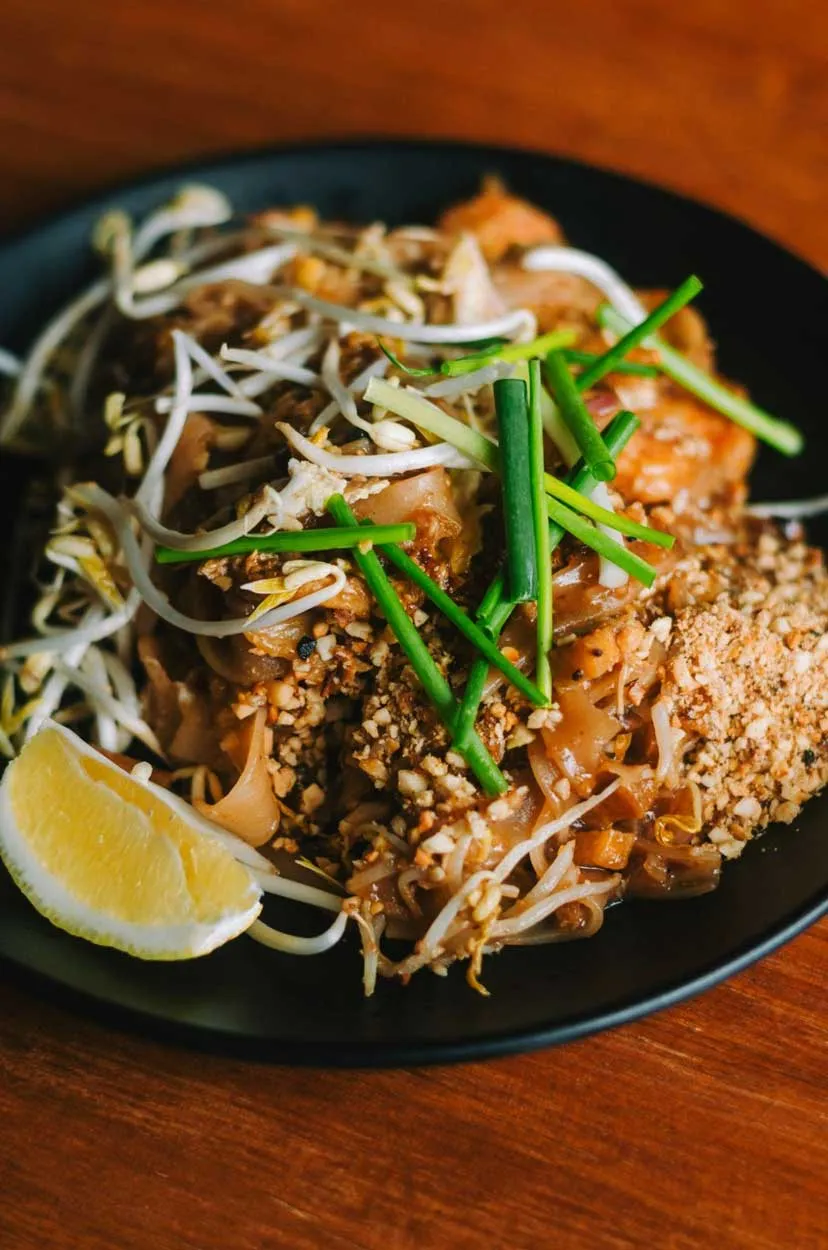
It mightn’t come as a shock that Thailand’s national dish is Pad Thai – it’s in the name after all.
Flat rice noodles, protein (such as chicken, shrimp or tofu), a sweet, salty and sour sauce, and vegetables combine in this flavourful dish.
The famous dish was born during the height of World War II and was created by the then-Prime Minister of Thailand, who actually declared the dish to be the national dish of Thailand.
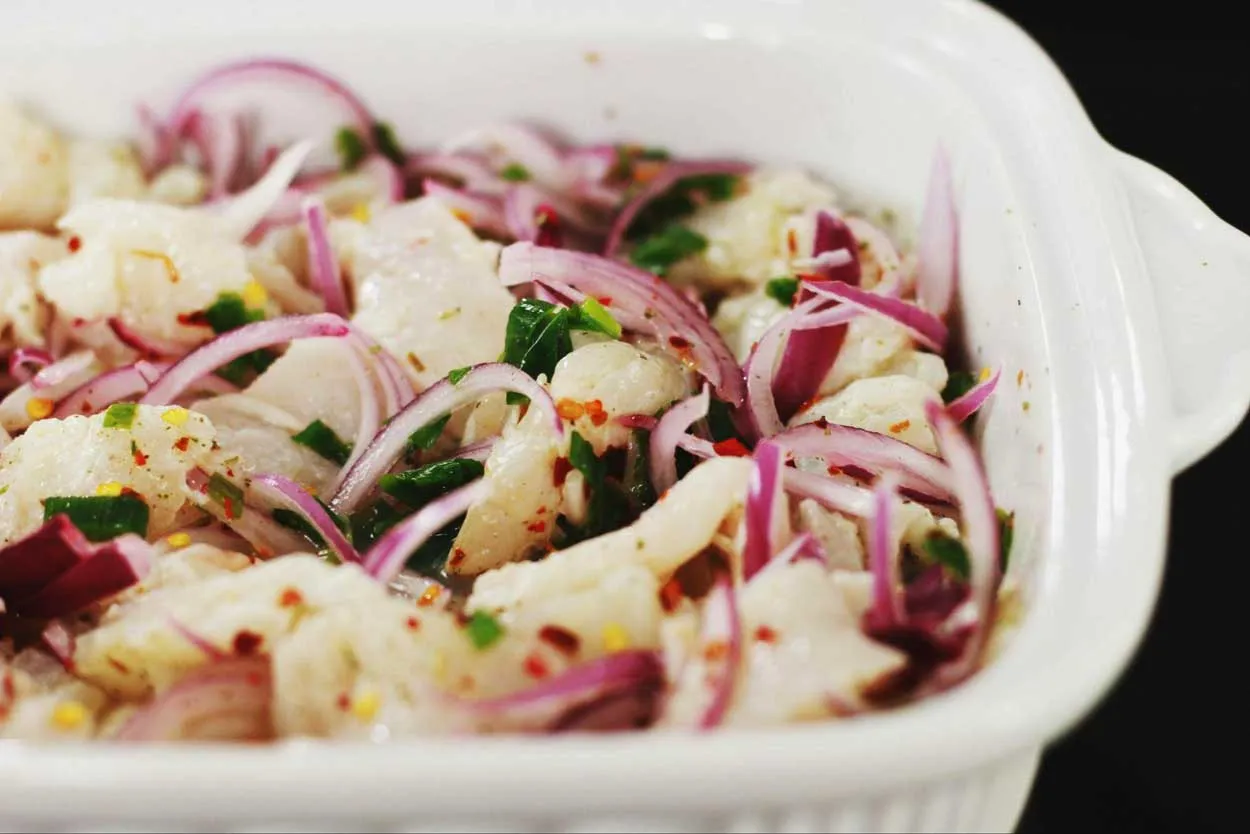
Ceviche, a cold dish made from soaking raw fish or shellfish in lime or lemon juice, is Peru’s national dish. There are many variations of the dish, but it often features sliced onion, corn, chilli and herbs.
The Peruvian government declared it the official national dish in 2004, and a National Ceviche Day is even celebrated on June 28.
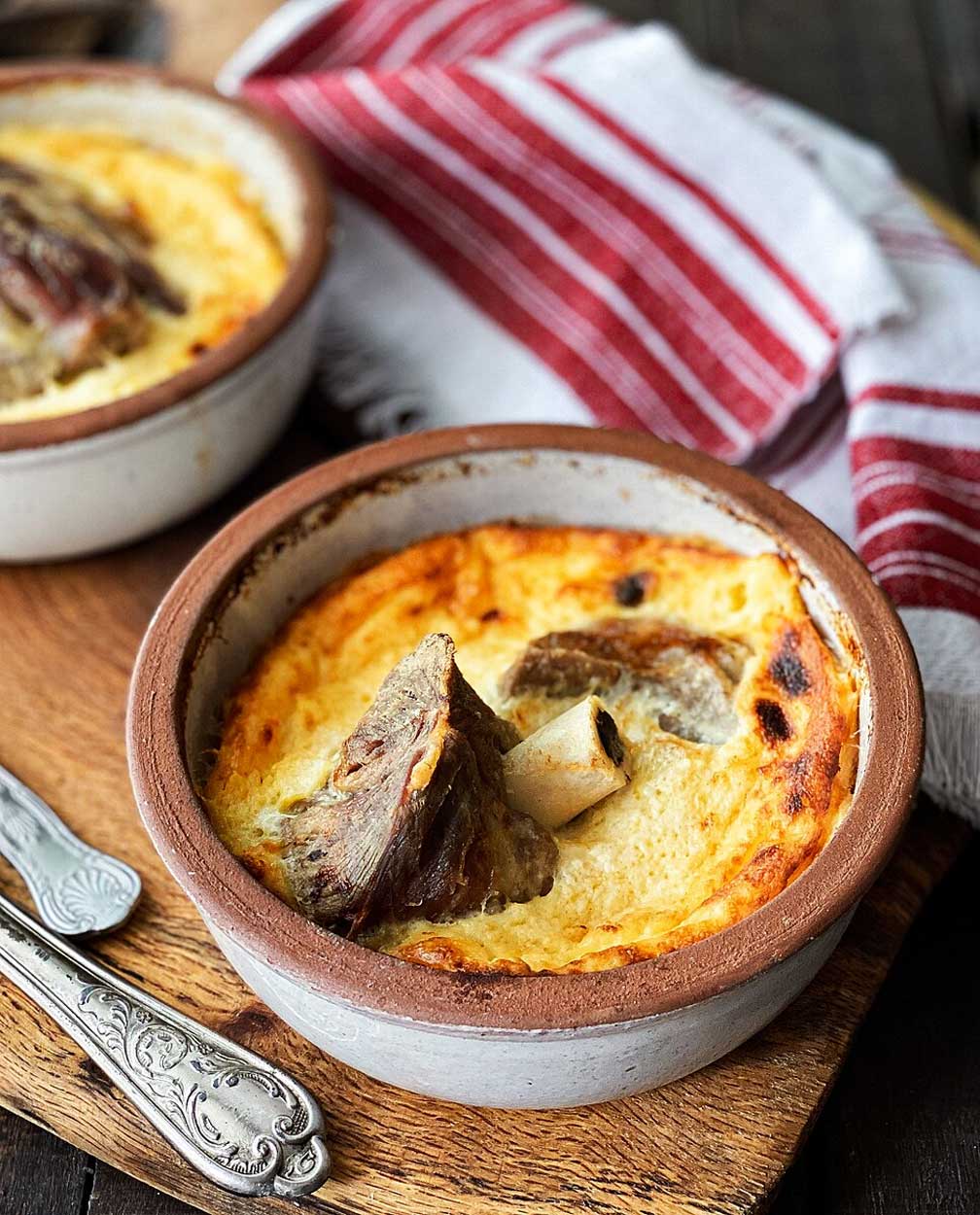
Tavë kosi is the national dish of the Balkan country. It is a baked casserole of lamb and rice topped with a yoghurt and egg sauce.
There has been no official declaration regarding this, but tavë kosi is widely considered by Albanians to be the country’s national dish.

Poutine – French fries topped with cheese and gravy – is widely considered Canada’s unofficial national dish.
The dish originated in Quebec in the late 1950s and gained popularity throughout the country.
Many still consider Canada to be too diverse to have just one national dish representing the entire country, however, and poutine remains “unofficial” in this regard.
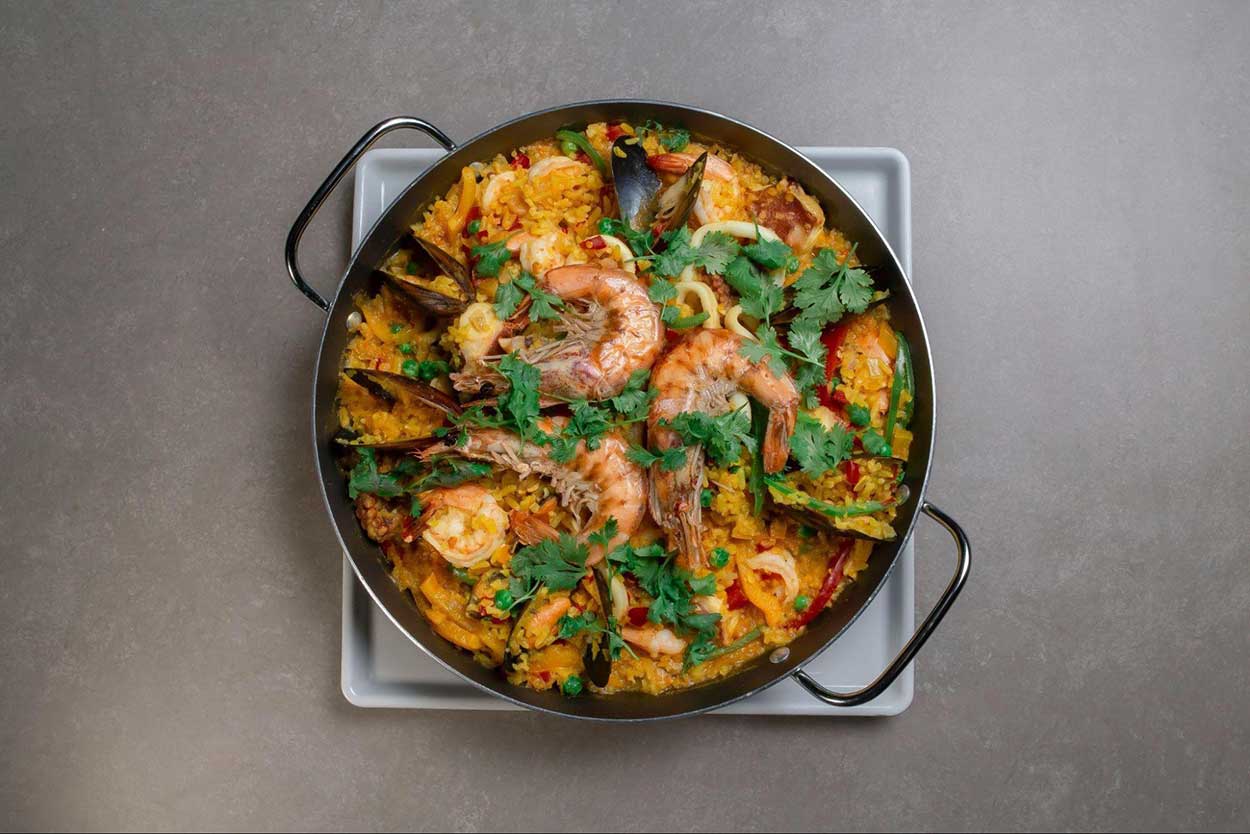
Originating from the Valencia region, paella consists of short-grain rice, vegetables and meat infused with saffron.
There are many variations, including seafood paella, chicken paella and rabbit paella.
The name comes from the flat, round pan it’s cooked in, which is called a “paellera” in Valencian and Catalan.
It hasn’t been declared an official national dish, representing more the Valencia region than the entire country. Still, it is undoubtedly one of Spain’s most well-known dishes, especially among non-Spaniards.
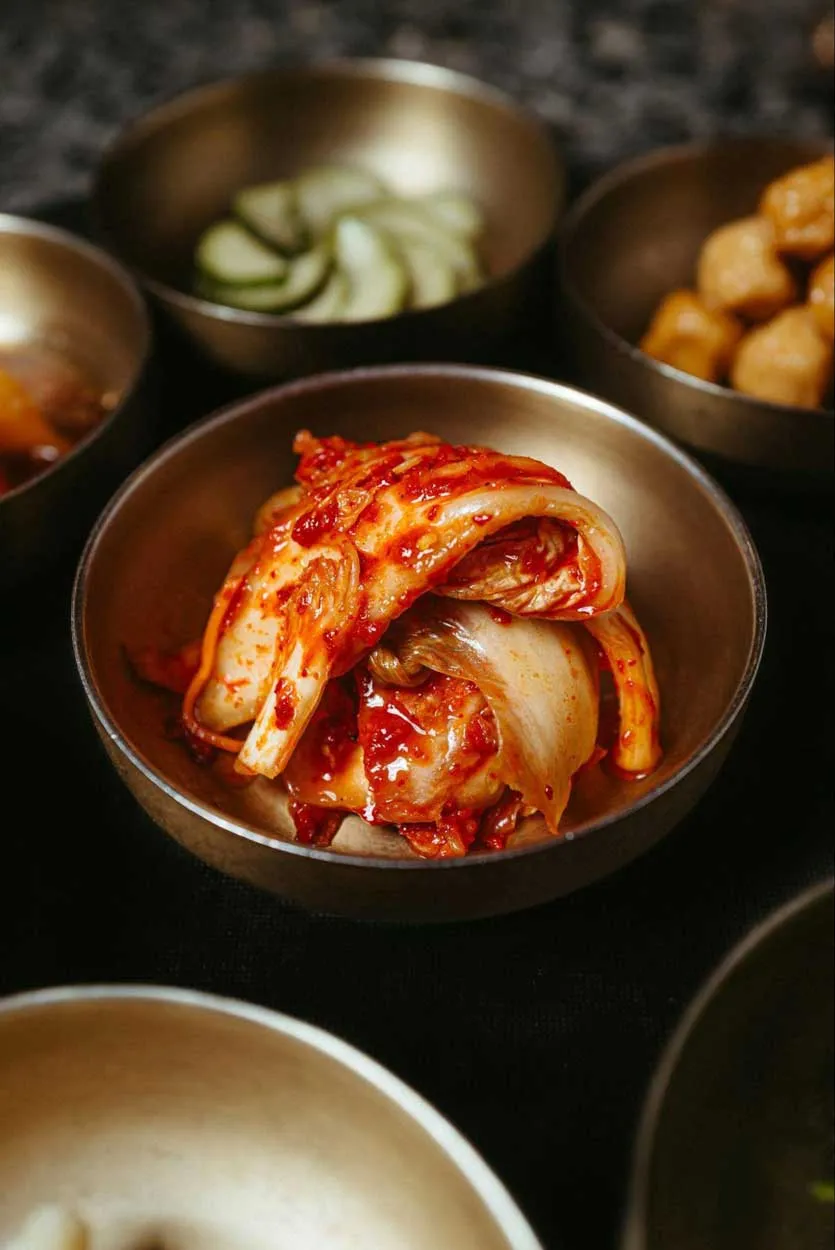
Kimchi is widely regarded as the national dish of South Korea.
It is a side dish made from salted and fermented cabbage, seasoned with spices. Kimchi is a staple in Korean cooking and eating practices, and is known for its health benefits due to the probiotic bacteria that evolve in the fermentation process.
The good-for-your-gut food has been recognised as a vital part of Korean cultural identity, and was even sent to space with South Korea’s first astronaut.
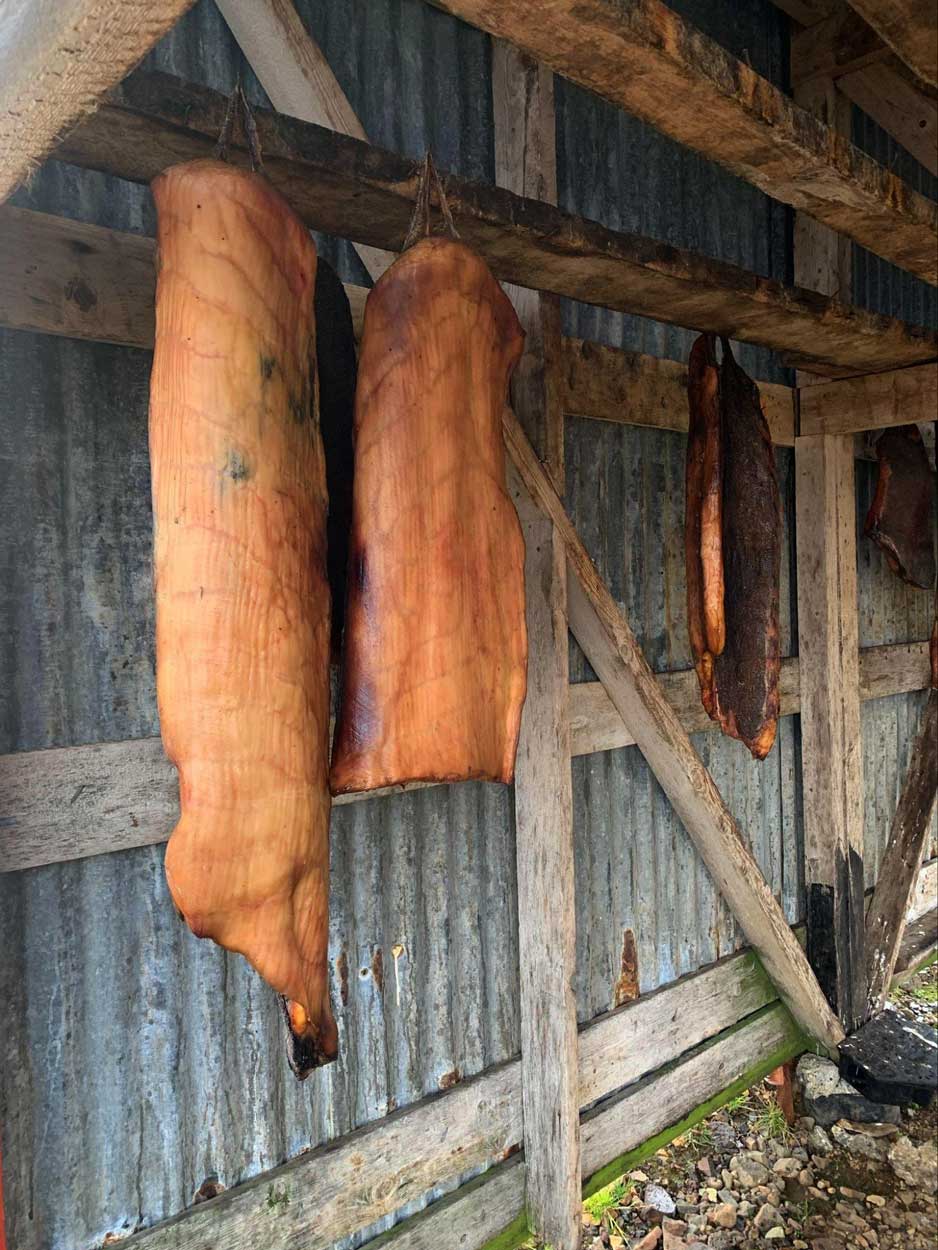
While there is no official national dish of Iceland, the cold country has a popular dish called Hákarl, which is made from preserved Greenland shark.
The meat of a Greenland shark is poisonous if it’s eaten raw, due to its high urea content. The traditional Icelandic people found a way around this, however.
The meat is buried for several months to ferment it and drain it of toxins, before being hung to dry for another several months.
The result is a very strong-flavoured meat, loved by some and hated by others.
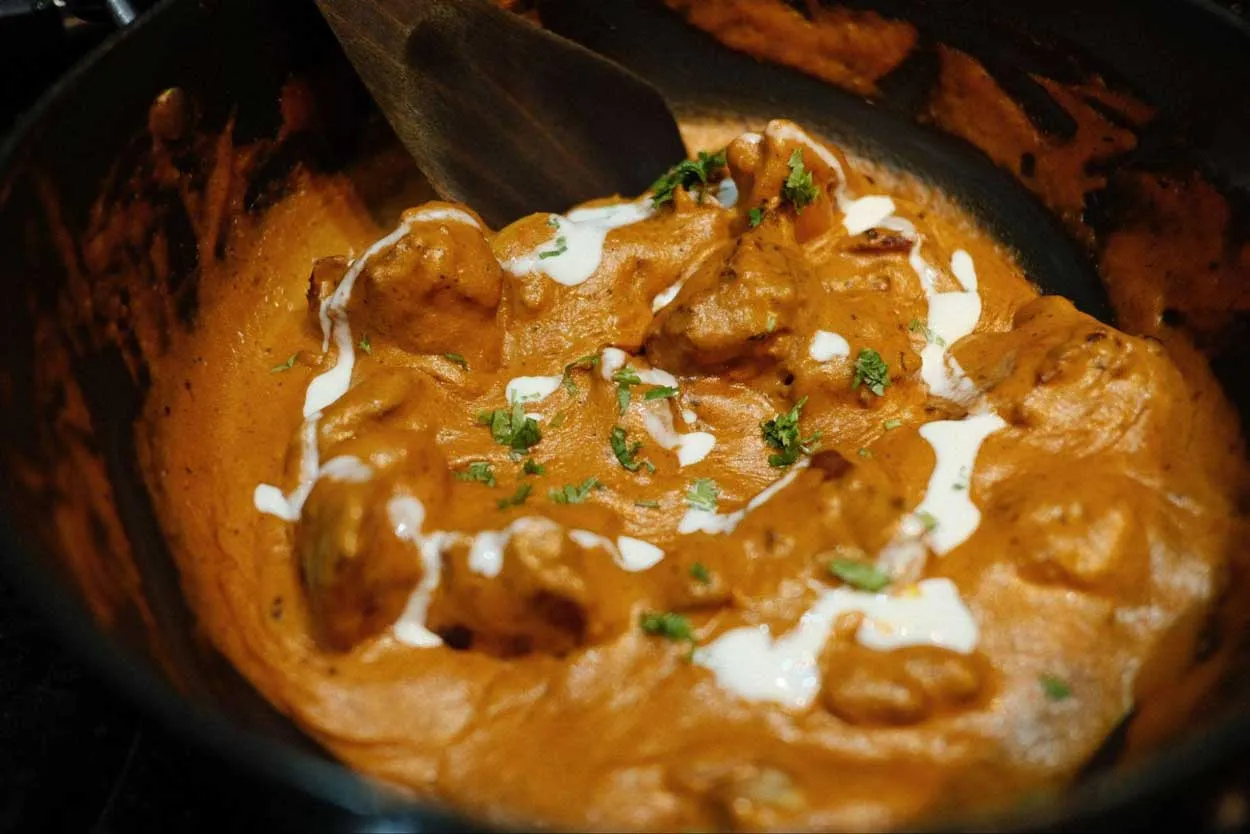
As an incredibly diverse country, England doesn’t have an official national dish, although there are two widely considered top contenders for the title, and one might surprise you.
The first is fish and chips, which is not entirely out of place for an island country. The second is Chicken Tikka Masala.
Chicken Tikka Masala was born from Indian influence and is very popular throughout the country. It is considered representative of the nation’s multiculturalism.
Have you ever wanted to learn how to draw cartoons or make your own comic strips? It’s easier than you think, and lots of fun. In this first edition of a new series, Melbourne-based artist and cartoonist Brett Cardwell shows us how to get started with cartoon faces.
Origami is the Japanese art of paper folding. It allows you to turn a flat piece of paper into nearly anything you can think of, like an animal, flower or a hat.
If you drive from Melbourne to Sydney, you will travel through 10 different First Nations language groups. And there’s the same number between Melbourne and Adelaide.
“There is no happiness on earth equal to that of liberty regained” – more wisdom from Don Quixote