Christmas, Hanukkah and Other Celebrations in December

Ethan Cassidy


Your browser window currently does not have enough height, or is zoomed in too far to view our website content correctly. Once the window reaches the minimum required height or zoom percentage, the content will display automatically.
Alternatively, you can learn more via the links below.
Learn about the other numerous religious and cultural celebrations around the world in December.
While you may have heard of Christmas and Hanukkah, did you know that there’s also an important Buddhist celebration and a Wiccan festival in the same month?
Here are some of the major religious, cultural and other festivities taking place in December around the world.
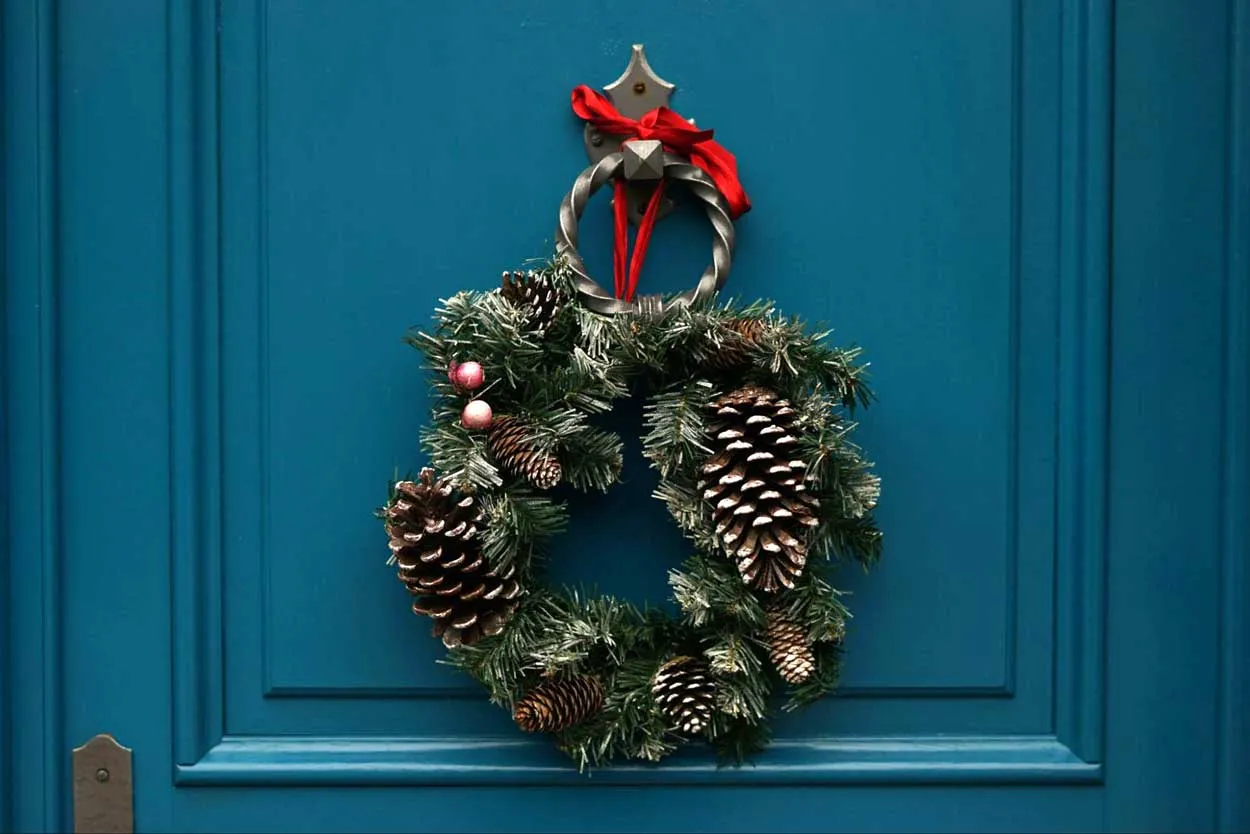
Commemorating the birth of Jesus Christ, Christmas is a significant day for Christians worldwide.
It is observed as a religious day by the majority and also as a cultural occasion for many others, marked by presents and the coming together of friends and family.
Many Christians will attend church services on Christmas Day, participate in nativity scenes and decorate and light Christmas trees.
The way Christmas is celebrated varies around the world. In Japan, KFC chicken is the most popular food to have on Christmas Day, accompanied by a strawberry shortcake known as Christmas cake for dessert.
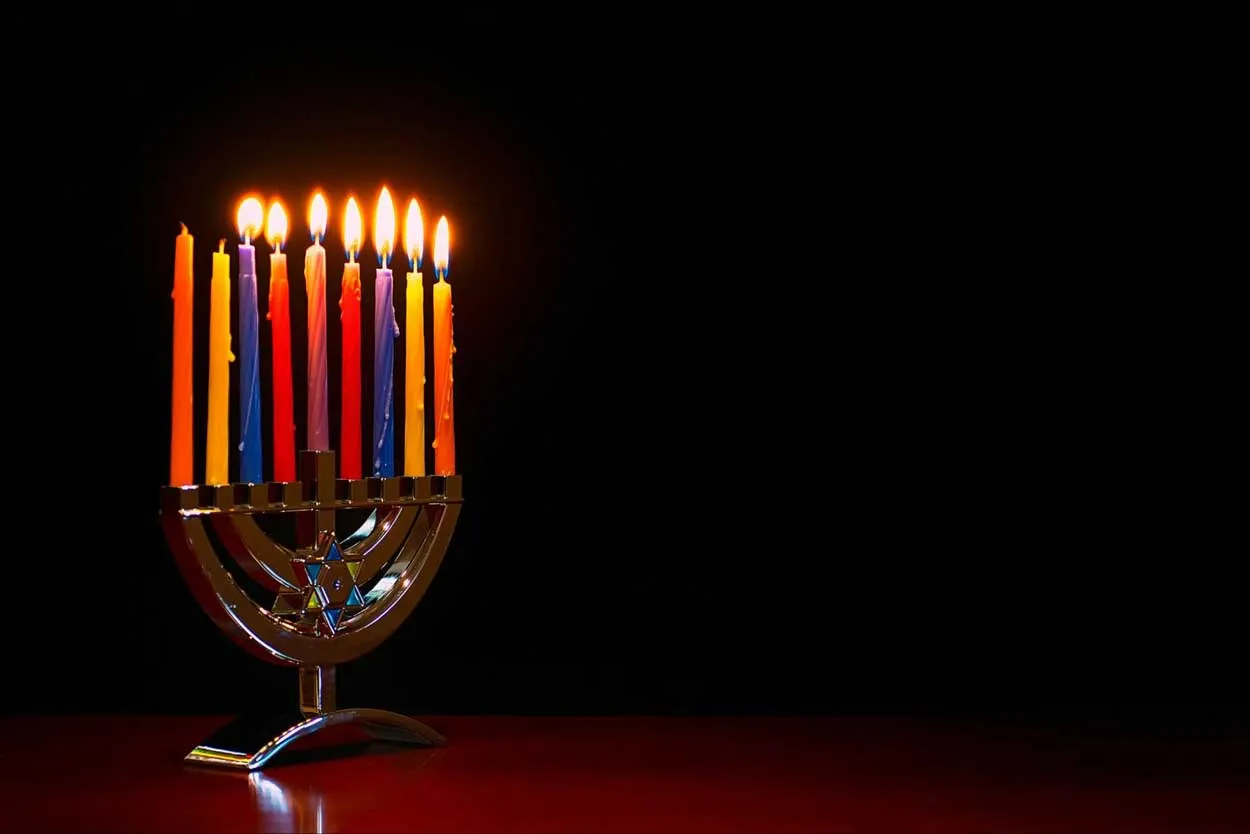
Hanukkah is an 8-day Jewish holiday taking place from 18–26 December each year.
It includes the lighting of a nine-branch menorah each night to symbolise how one day’s worth of oil miraculously lasted for 8 days during a battle in 165 BC, according to Jewish tradition.
Foods usually eaten as part of Hanukkah include latkes (potato pancakes), sufganiyot (jam-filled donuts) and brisket.
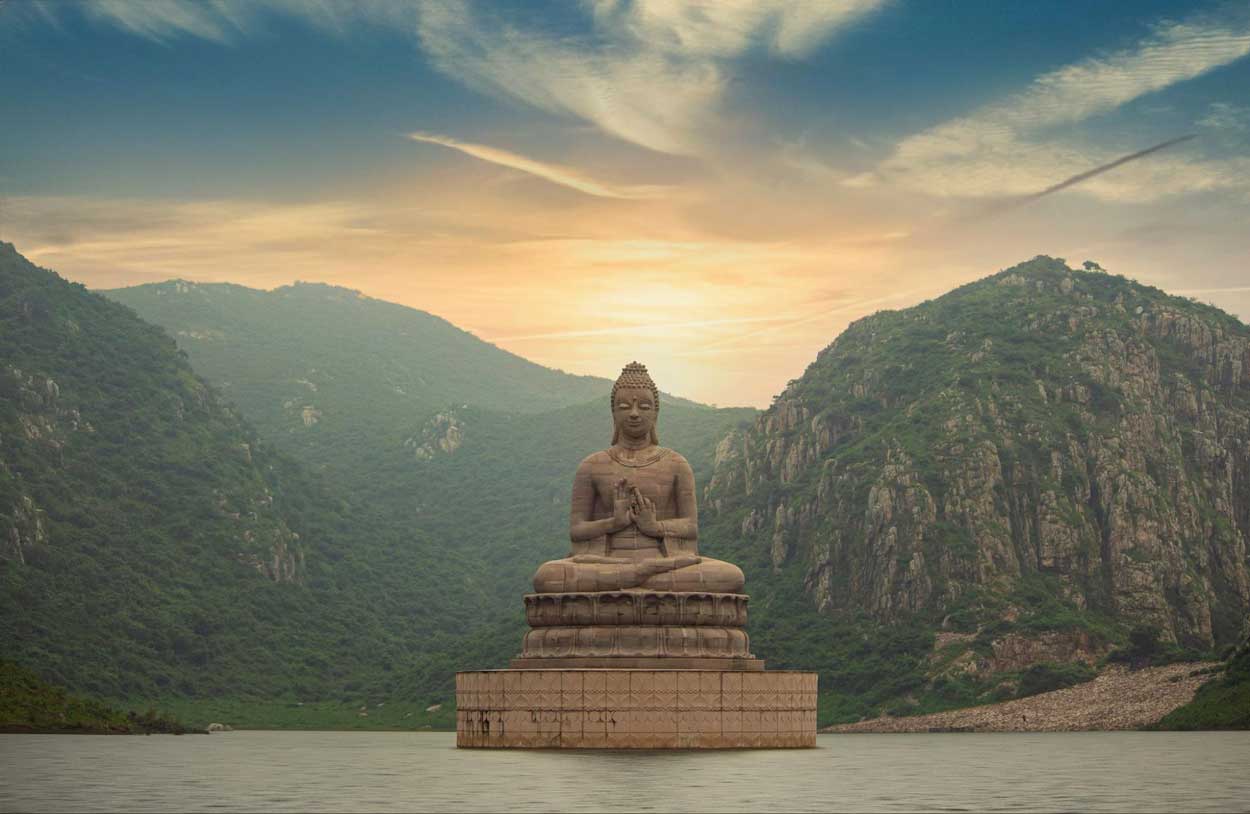
Bodhi Day, also known as Rohatsu, is a significant tradition for Buddhists. It is celebrated on 8 December, honouring the day the Buddha is said to have achieved enlightenment.
The Buddhist story details Buddha’s decision and vow to sit beneath the Bodhi tree until he reached spiritual enlightenment.
Bodhi Day is marked by Buddhists through meditation, studying the Dharma, chanting sutras and performing acts of kindness towards others.
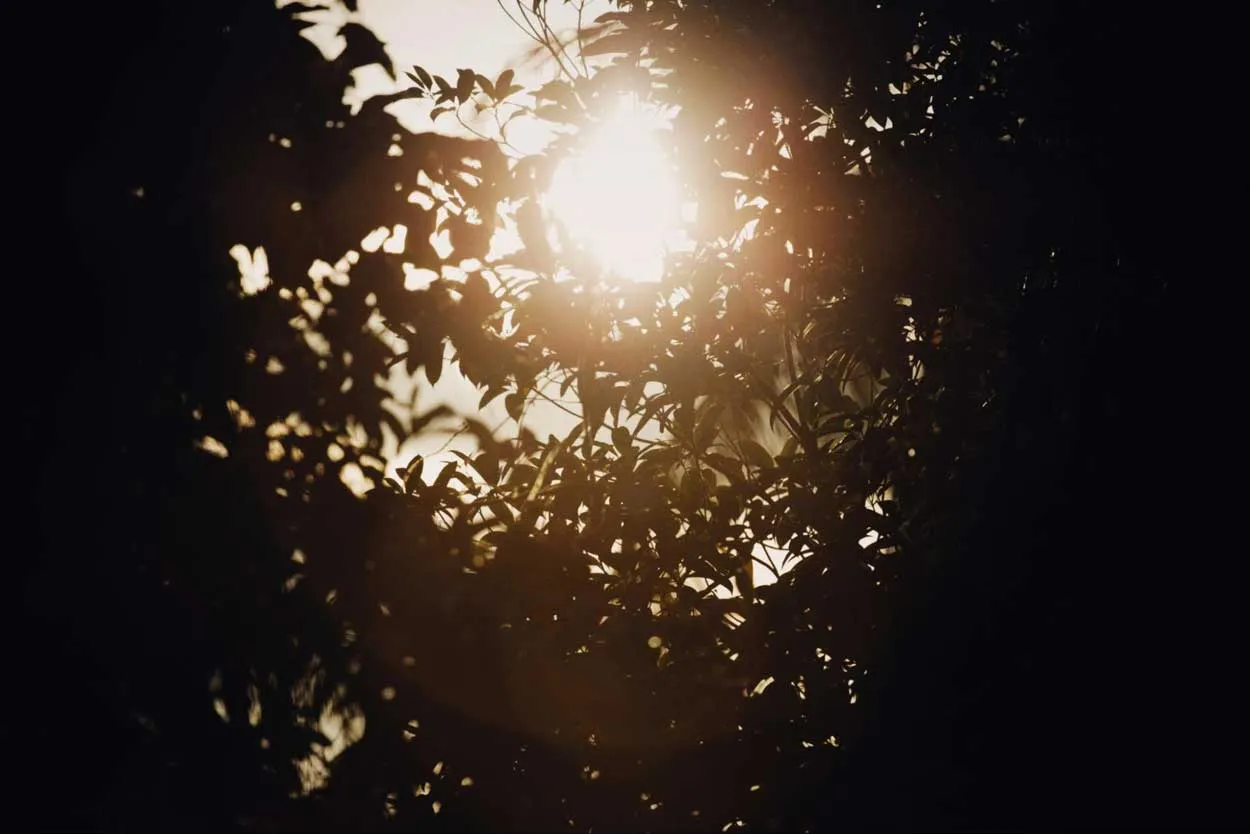
Running from 21 December to 1 January, Yule is when Wiccans and neopagans celebrate the winter solstice, which is the shortest day and longest night of the year.
To celebrate the re-emergence of the sun, the days involve a common tradition of burning the yule log.
Yule was first celebrated in Scandinavia.
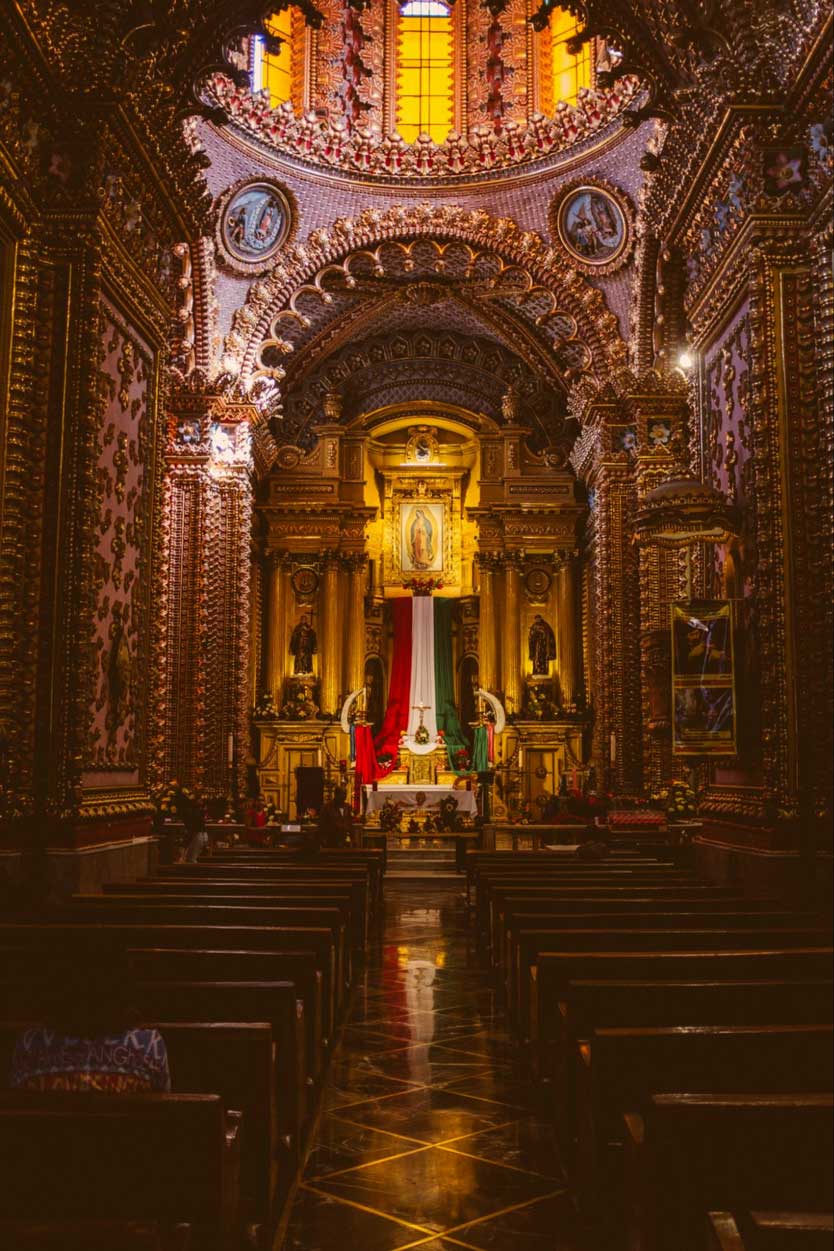
Taking place on 12 December each year, this is an important day for Mexicans and Mexican Americans.
It celebrates the patron saint of Mexico, who symbolises patriotism and devotion.
To mark the day, pilgrims often visit the Basilica of Our Lady of Guadalupe.
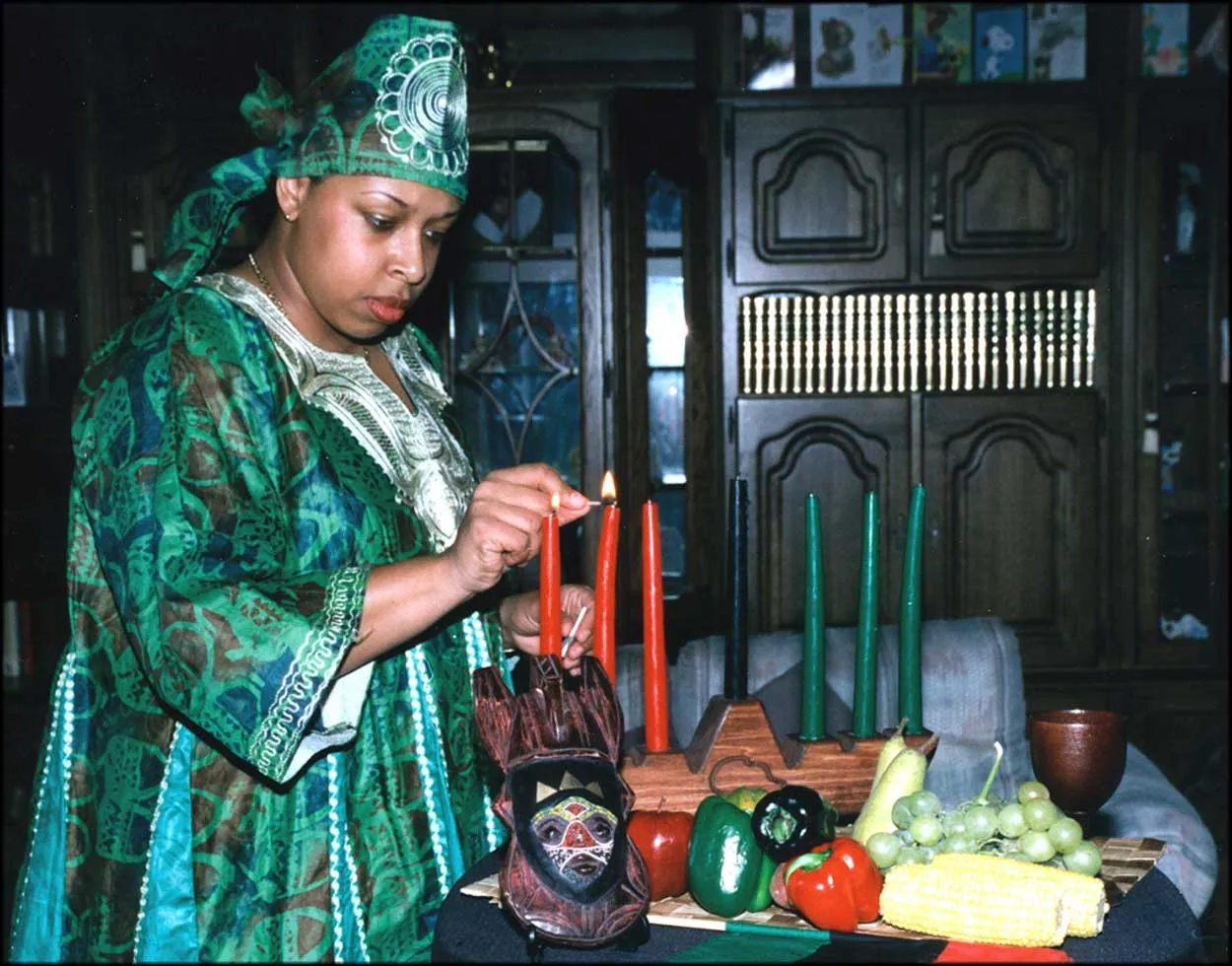
Running from 26 December to 1 January, Kwanzaa is a week-long holiday honouring African American heritage.
It is a cultural rather than religious celebration and was first created in 1966.
Kwanzaa celebrations include the lighting of the Kinara (a seven-branched candleholder), storytelling, music and dancing.
Have you ever wanted to learn how to draw cartoons or make your own comic strips? It’s easier than you think, and lots of fun. In this first edition of a new series, Melbourne-based artist and cartoonist Brett Cardwell shows us how to get started with cartoon faces.
Origami is the Japanese art of paper folding. It allows you to turn a flat piece of paper into nearly anything you can think of, like an animal, flower or a hat.
If you drive from Melbourne to Sydney, you will travel through 10 different First Nations language groups. And there’s the same number between Melbourne and Adelaide.
“There is no happiness on earth equal to that of liberty regained” – more wisdom from Don Quixote