Australia's National
Prison Newspaper

Australia's National
Prison Newspaper

Welcome to About Time

About Time is the national newspaper for Australian prisons and detention facilities

Your browser window currently does not have enough height, or is zoomed in too far to view our website content correctly. Once the window reaches the minimum required height or zoom percentage, the content will display automatically.

Alternatively, you can learn more via the links below.

Donations via GiveNow

Email

Instagram

LinkedIn

ISSUE NO. 8

March 2025

Donate Here

Learn

Gardening, for Those With and Without

Inspired by this issue’s letters on gardening at Langi Kal Kal in Victoria, Dan digs up gardening facts, tips and tricks for those with or without access to gardens.

By

Dan Nathan

Dan is a writer and gardener based in Naarm/Melbourne.

Font Size
Font Size
Line Height
Line Height
Dyslexia Friendly
Black & White
Hide Images
Night Mode

Tuning into seasonal rhythms with birds and insects

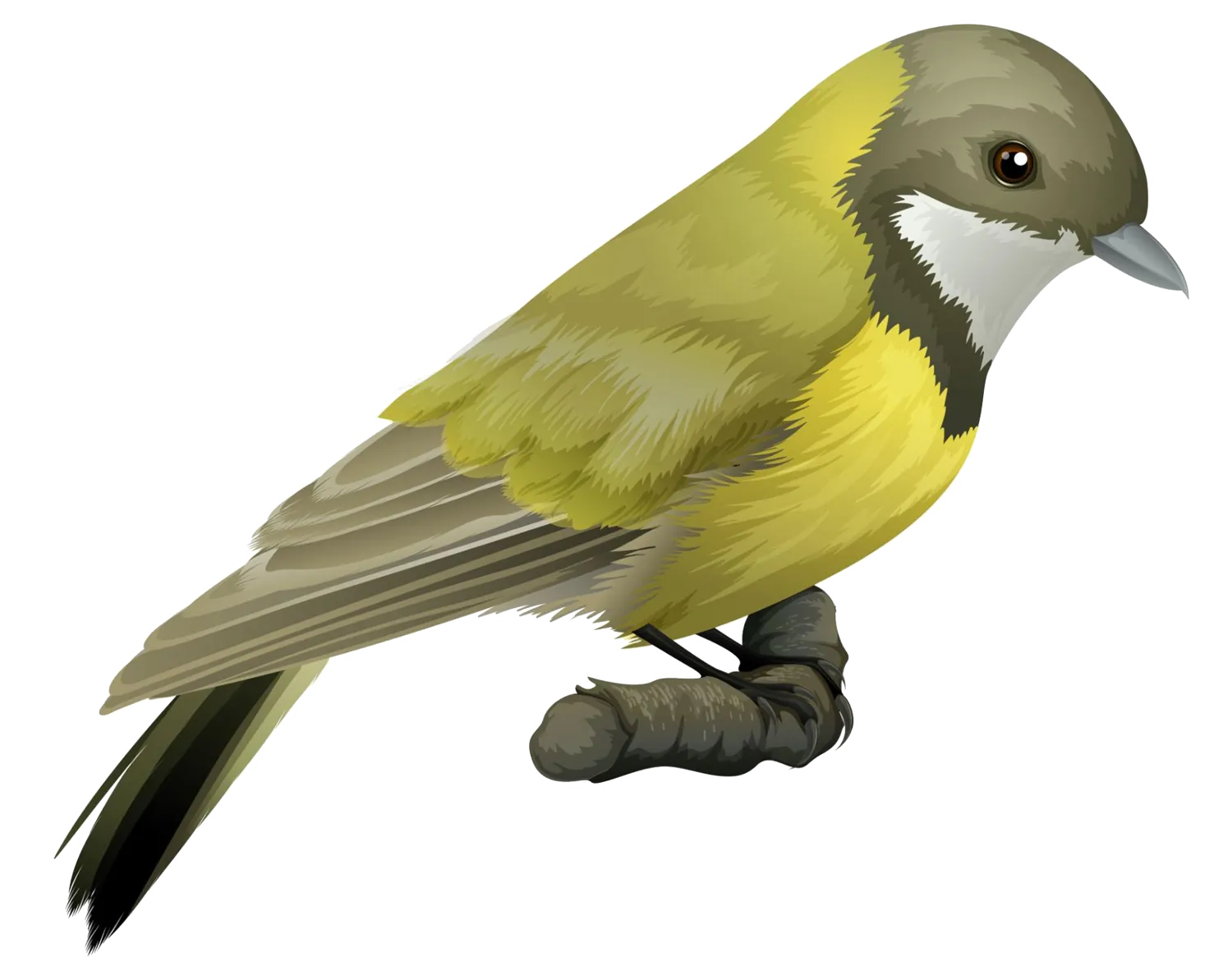
Noticing the gradual shifting of seasons within a garden is a unique pleasure. But you don’t need access to a garden to experience this grounding joy… Insects and birds don’t care much for fences, and can signal a season’s arrival with more accuracy and meaning than a calendar, if listened to.
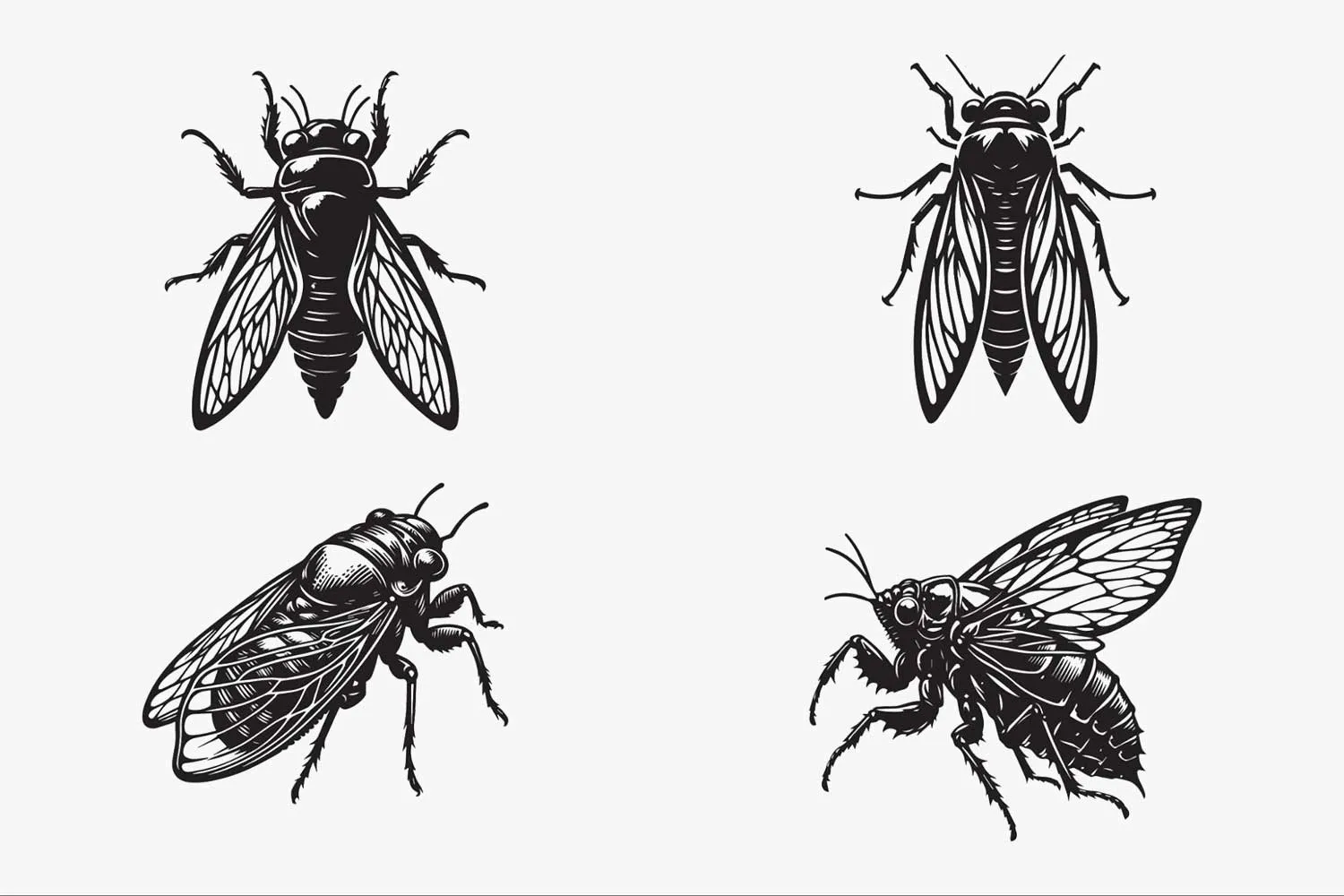
The exact birds and insects – and sounds to look out for – will obviously depend on which corner of the country you are located. Indigenous knowledge calendars, and citizen science websites for tracking bird sightings and migrations, are some useful resources for finding out what to look for. The library at your location might have books or information on seasonal rhythms and bird migrations.  
Fun facts

Getting your hands dirty releases serotonin

If you’ve experienced gardening, you’re likely well acquainted with the mental health benefits of getting your hands dirty. What might be surprising is that there is a chemical explanation for some of this. Researchers have found that contact with a particular type of bacteria that lives in soil, called Mycobacterium vaccae, releases serotonin in our brain. Serotonin bolsters our immune system, acts as a natural antidepressant, and contributes to feelings of happiness and wellbeing– as if the wonders of gardening weren’t abundant enough!

All 100,000 living Wollemi pines come from one or two individual trees

The Wollemi pine was thought to have gone extinct millions of years ago. The pine belongs to a plant family that’s 200 million years old. Rediscovered in 1994 in a canyon in the Blue Mountains – two hour’s drive north of Warrane/Sydney – it’s one of the rarest and oldest trees
in existence.
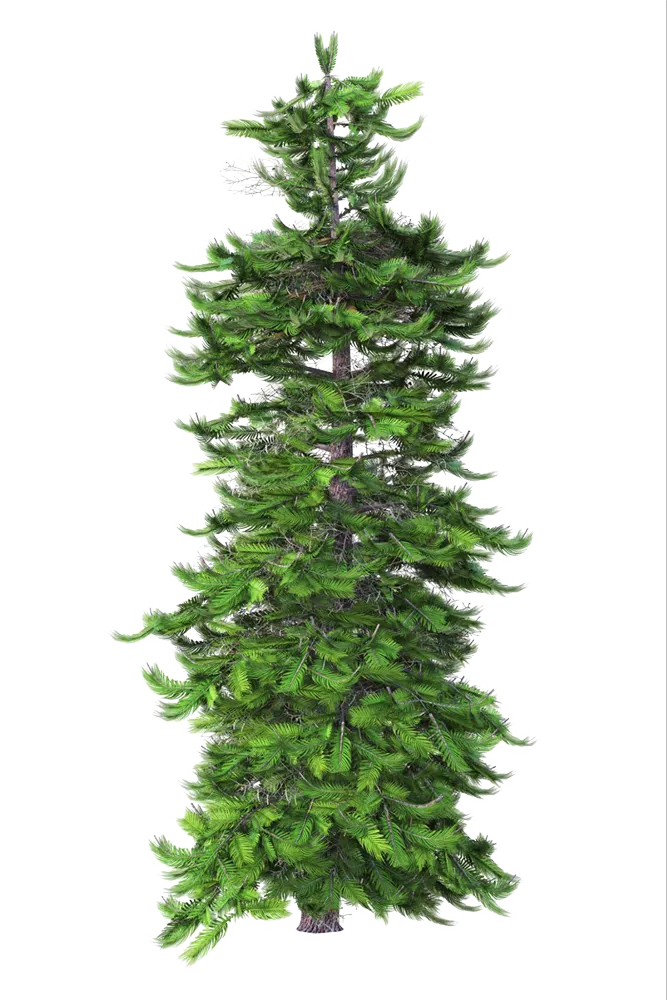
The pine’s impressive lifespan (500-1000 years) and resilient nature wasn’t enough to protect it against hostile conditions in the distant past. Somewhere in the vicinity of 18,000 years ago the pine went through what’s known as a genetic bottleneck, and only a handful – likely one or two individuals – survived. As a result, the 89 pines living in the wild, and the roughly 100,000 that have been cultivated by gardeners around the world, are genetically indistinguishable clones.

Trees communicate and cooperate

Using either underground fungal networks, known as mycorrhizal networks, or by directly grafting their roots together, trees share water and nutrients with neighbours in need. They also send chemical signals that alert other trees to various threats presented by animals and hostile fungi, allowing them to prepare defensive chemical compounds. Recognising their interdependence, our deep-rooted friends have opted for cooperation
over competition.

Helpful tips

Complementary and space saving planting techniques

If space is tight, planting in straight lines isn't necessarily the best option. The “square metre planting system” divides a square metre – a common size of a single raised garden bed – into four squares. Each 25 centimetre square can then fit one large veggie, like a cabbage or a zucchini plant, four medium sized veggies, or 16 smaller ones, like carrots or radishes.
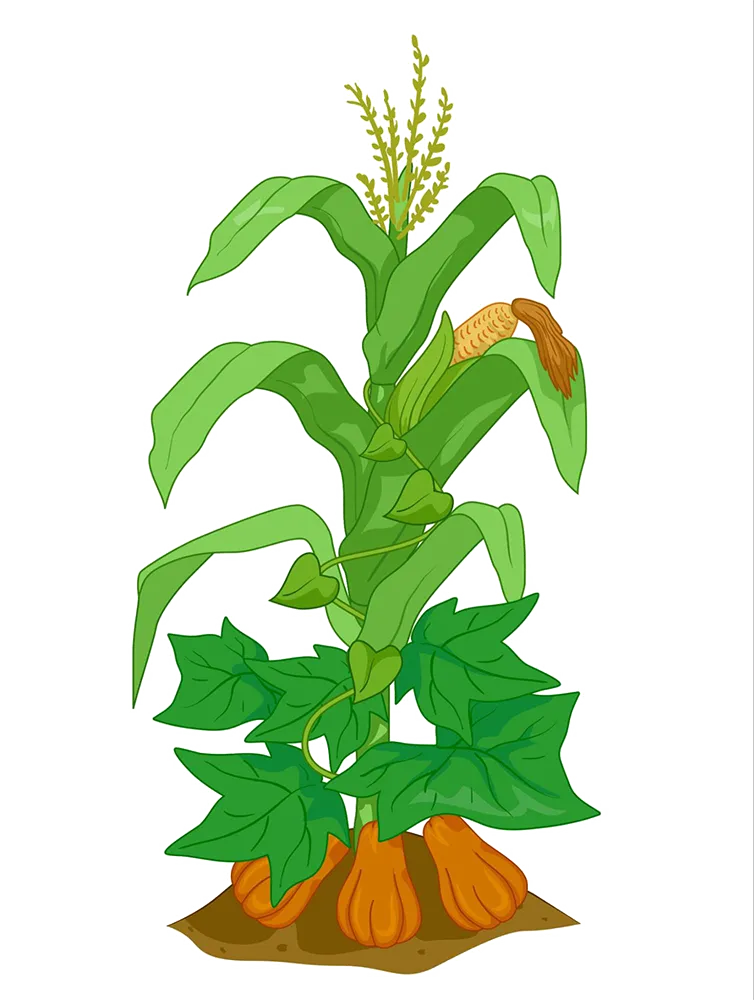
Certain plant pairings don’t just thrive in proximity, but benefit each other in ways. For example, tomato, basil and onions are just as potent in the patch as they are in pasta. The tall and sun-loving tomatoes offer shelter to the low-growing basil, and the basil and onions deter pests like aphids and caterpillars. Corn, beans and pumpkin are another mutually supportive trio, with a history dating back to Native American tribes. The corn provides a natural trellis for the beans, the beans fix nutrients in the soil, and the pumpkin minimises weeds and moisture loss.

Any succulent stem can be broken off, stuck in soil, and will grow

Succulents are desert plants adapted to tough, dry conditions. You can identify them by their unusually thick leaves and stems, designed to minimise water loss. They’re the easiest type of plant to propagate (create more of) and care for. White they’re no good for eating, they can add brilliant colour and texture to
a garden.

Tuning into seasonal rhythms with birds and insects

Noticing the gradual shifting of seasons within a garden is a unique pleasure. But you don’t need access to a garden to experience this grounding joy… Insects and birds don’t care much for fences, and can signal a season’s arrival with more accuracy and meaning than a calendar, if listened to.

The exact birds and insects – and sounds to look out for – will obviously depend on which corner of the country you are located. Indigenous knowledge calendars, and citizen science websites for tracking bird sightings and migrations, are some useful resources for finding out what to look for. The library at your location might have books or information on seasonal rhythms and bird migrations.  

Fun facts

Getting your hands dirty releases serotonin

If you’ve experienced gardening, you’re likely well acquainted with the mental health benefits of getting your hands dirty. What might be surprising is that there is a chemical explanation for some of this. Researchers have found that contact with a particular type of bacteria that lives in soil, called Mycobacterium vaccae, releases serotonin in our brain. Serotonin bolsters our immune system, acts as a natural antidepressant, and contributes to feelings of happiness and wellbeing– as if the wonders of gardening weren’t abundant enough!

All 100,000 living Wollemi pines come from one or two individual trees

The Wollemi pine was thought to have gone extinct millions of years ago. The pine belongs to a plant family that’s 200 million years old. Rediscovered in 1994 in a canyon in the Blue Mountains – two hour’s drive north of Warrane/Sydney – it’s one of the rarest and oldest trees
in existence.

The pine’s impressive lifespan (500-1000 years) and resilient nature wasn’t enough to protect it against hostile conditions in the distant past. Somewhere in the vicinity of 18,000 years ago the pine went through what’s known as a genetic bottleneck, and only a handful – likely one or two individuals – survived. As a result, the 89 pines living in the wild, and the roughly 100,000 that have been cultivated by gardeners around the world, are genetically indistinguishable clones.

Trees communicate and cooperate

Using either underground fungal networks, known as mycorrhizal networks, or by directly grafting their roots together, trees share water and nutrients with neighbours in need. They also send chemical signals that alert other trees to various threats presented by animals and hostile fungi, allowing them to prepare defensive chemical compounds. Recognising their interdependence, our deep-rooted friends have opted for cooperation
over competition.

Helpful tips

Complementary and space saving planting techniques

If space is tight, planting in straight lines isn't necessarily the best option. The “square metre planting system” divides a square metre – a common size of a single raised garden bed – into four squares. Each 25 centimetre square can then fit one large veggie, like a cabbage or a zucchini plant, four medium sized veggies, or 16 smaller ones, like carrots or radishes.

Certain plant pairings don’t just thrive in proximity, but benefit each other in ways. For example, tomato, basil and onions are just as potent in the patch as they are in pasta. The tall and sun-loving tomatoes offer shelter to the low-growing basil, and the basil and onions deter pests like aphids and caterpillars. Corn, beans and pumpkin are another mutually supportive trio, with a history dating back to Native American tribes. The corn provides a natural trellis for the beans, the beans fix nutrients in the soil, and the pumpkin minimises weeds and moisture loss.

Any succulent stem can be broken off, stuck in soil, and will grow

Succulents are desert plants adapted to tough, dry conditions. You can identify them by their unusually thick leaves and stems, designed to minimise water loss. They’re the easiest type of plant to propagate (create more of) and care for. White they’re no good for eating, they can add brilliant colour and texture to
a garden.

Leave a Comment

Thank you! Your submission has been received!
Oops! Something went wrong while submitting the form.
0 Comments
Author Name
Comment Time

Lorem ipsum dolor sit amet, consectetur adipiscing elit. Suspendisse varius enim in eros elementum tristique. Duis cursus, mi quis viverra ornare, eros dolor interdum nulla, ut commodo diam libero vitae erat. Aenean faucibus nibh et justo cursus id rutrum lorem imperdiet. Nunc ut sem vitae risus tristique posuere. uis cursus, mi quis viverra ornare, eros dolor interdum nulla, ut commodo diam libero vitae erat. Aenean faucibus nibh et justo cursus id rutrum lorem imperdiet. Nunc ut sem vitae risus tristique posuere.

Learn Sign Language!

By About Time, with help with DeafNav and BetterHelp

There is a common myth around the world that there is one universal sign language that Deaf people use to communicate. But this is far from the truth – there are many sign languages!

Learn

ISSUE NO. 16

2 MIN READ

Gods, Battles and Hidden Messages: An Intro to Greek Mythology

By About Time

Greek mythology is a collection of stories about gods, heroes, monsters, and the beliefs of Ancient Greece.

Learn

ISSUE NO. 15

4 MIN READ

Grandpa’s Secret Street Machines: The 90s Japanese Sedans That Accidentally Ripped

By Dan Nathan

For grandpas in the 90s, a mid-sized Japanese sedan seemed like a sensible choice. Their hothead days were behind them.

Learn

ISSUE NO. 14

3 MIN READ

Our Living Planet: Wild Facts About Earth

These facts were drawn from and inspired by “Bits & Pieces”, a long running newsletter to fellows at St John’s, the hospital section of Port Phillip Prison in Victoria

A collection of interesting facts about the world we live in.

Learn

ISSUE NO. 13

2 MIN READ

Get the full paper in print each month.

6-Month Subscription:

Physical copy of About Time delivered to your home or organisation each month for six months. Paid upfront.

Subscribe for $70

12-Month Subscription:

Physical copy of About Time delivered to your home or organisation each month for twelve months. Paid upfront.

Subscribe for $125

Newsletter

Be the first to learn about our monthly stories, plus new initiatives and live events

You've successfully registered!
Something went wrong when we tried to register your details. Please try again.

Support Australia's First National Prison Newspaper

A place for news and education, expression and hope

Help keep the momentum going. All donations will be vital in providing an essential resource for people in prison and their loved ones.

All donations of $2 or more are tax deductible. If you would like to pay directly into our bank account to avoid the processing fee, please contact donate@abouttime.org.au. ABN 67 667 331 106.

It's
About Time.

A place for news and education, expression and hope.

Help us get About Time off the ground. All donations are tax deductible and will be vital in providing an essential resource for people in prison and their loved ones.

Donate Here

Newsletter

Be the first to learn about our monthly stories, plus new initiatives and live events

You've successfully registered!
Something went wrong when we tried to register your details. Please try again.