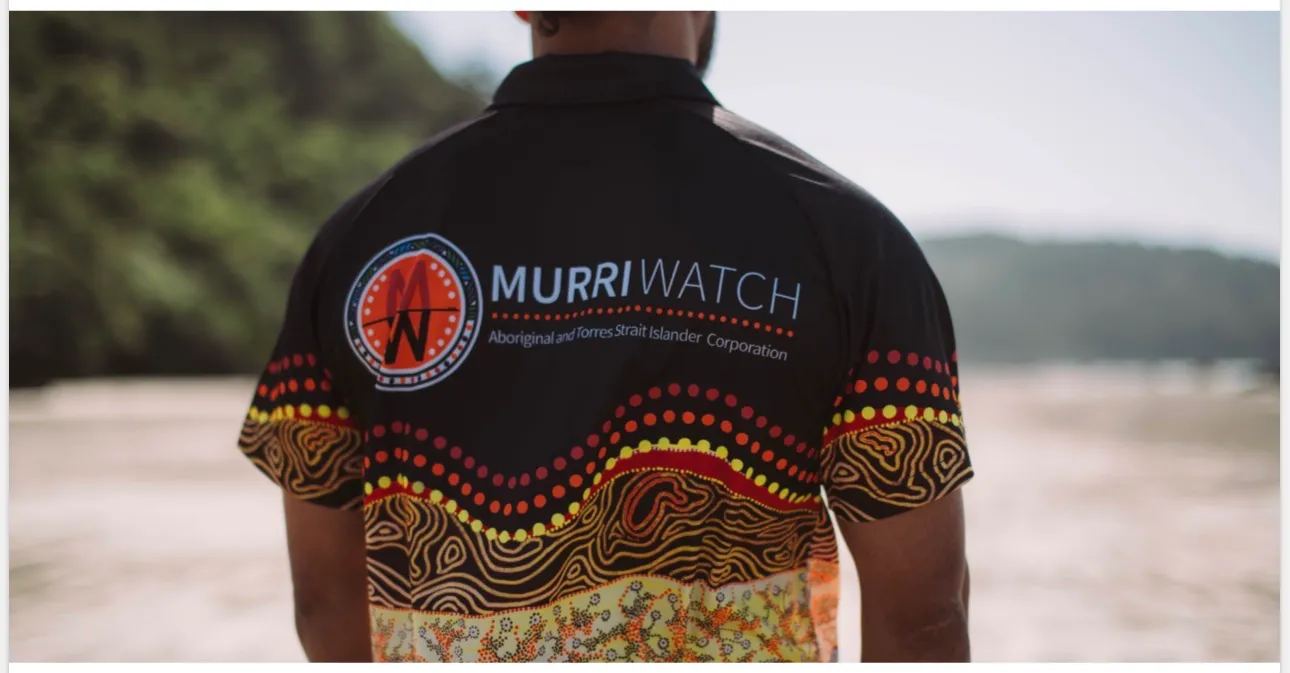
A program helping First Nations children being held in police watch houses in Queensland will stop operating after losing its state government funding.
For several years, Murri Watch has been running the Statewide Youth Cultural Support Program, visiting young First Nations people in watch houses to ensure their safety, help organise visits with their family and liaise with health and other services.
The organisation received $1.4 million in funding from the Queensland government for this service, but this funding will not be renewed, the organisation said this week.
First Nations people are overrepresented in Queensland watch houses, and there are widespread concerns around their health and safety in these locations.
Aboriginal and Torres Strait Islander Social Justice Commissioner Katie Kiss called on the Queensland government to explain why it will no longer be providing funding to the program.
“How do decisions like this deliver on your commitments under the National Agreement on Closing the Gap to reduce adult and youth incarceration, reduce suicide and support improved life outcomes for First Peoples?” Kiss posted on LinkedIn.
“I am the Aboriginal and Torres Strait Islander Social Justice Commissioner with a legislated mandate to ask these questions and get answers to them. You are answerable to me.
“You are answerable to all Queenslanders – including those impacted by this decision.”
According to Queensland Police data, there were 20 children in police watch houses as of Wednesday, and nine of these children were First Nations. There were a total of 542 people in police watch houses, with more than a quarter being First Nations.
A number of oversight bodies have raised major concerns about children being held for extended periods of time in police watch houses.
In 2024, nearly 7500 children were processed in Queensland watch houses.
A report by the Queensland Police Service found that these watch houses are “unsafe for minors”, with limited access to fresh air and exercise and “significant” health challenges.
In a statement, Murri Watch said it has raised “serious concerns” about the state government about this, and that the end of the program would create “serious risks to the safety and wellbeing of First Nations children and young people”.
“Our work is not an optional service – it is a protective presence grounded in culture, trust and community connection,” Murri Watch general manager Kristy-Lee Costello said.
“Every day, our teams are supporting children through crisis, often preventing escalation and keeping them safe.”
The funding for the program was believed to have a limited timeframe, coming to an end on 30 June 2026.
A spokesperson for the Queensland Department of Youth Justice and Victim Support said that department staff “routinely” visit children being held in watch houses, and conduct wellbeing checks.
The spokesperson also said the state government had “significantly reduced” the number of children and young people in watch houses with the opening of a new youth detention centre last year.
In 2025, Murri Watch helped more than 1200 young people in police watch houses in Queensland.
The Queensland government has agreed to meet with Murri Watch this month to discuss the concerns about the cessation of funding.
“With children still being held in watch houses, we remain deeply committed to ensuring their safety and wellbeing is our joint priority,” Costello said.
In a statement, Murri Watch said it has raised “serious concerns” about the state government about this, and that the end of the program would create “serious risks to the safety and wellbeing of First Nations children and young people”.
“Our work is not an optional service – it is a protective presence grounded in culture, trust and community connection,” Murri Watch general manager Kristy-Lee Costello said.
“Every day, our teams are supporting children through crisis, often preventing escalation and keeping them safe.”
The funding for the program was believed to have a limited timeframe, coming to an end on 30 June 2026.
A spokesperson for the Queensland Department of Youth Justice and Victim Support said that department staff “routinely” visit children being held in watch houses, and conduct wellbeing checks.
The spokesperson also said the state government had “significantly reduced” the number of children and young people in watch houses with the opening of a new youth detention centre last year.
In 2025, Murri Watch helped more than 1200 young people in police watch houses in Queensland.
The Queensland government has agreed to meet with Murri Watch this month to discuss the concerns about the cessation of funding.
“With children still being held in watch houses, we remain deeply committed to ensuring their safety and wellbeing is our joint priority,” Costello said.


