Heather Calgaret was a proud Yamatji, Noongar, Wongi and Pitjantjatjara woman. She is remembered as a loving and smiling ‘mother hen’ who was a rock to her family and who loved and connected with her culture through her kids and art.
Heather was 31 when she died in hospital after collapsing in her cell at the Dame Phyllis Frost Centre in November 2021. She collapsed the day after she got her first dose of the Buvidal weekly injection.
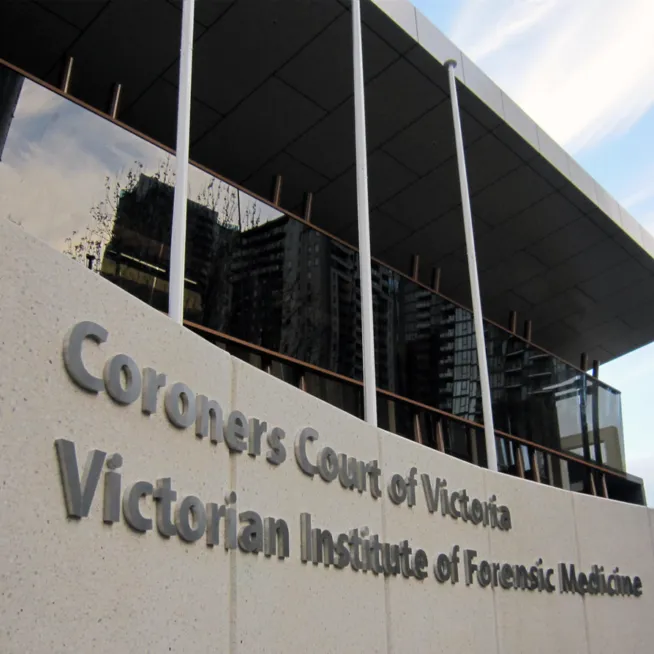
After a long wait for her family, the four-week coronial inquest into Heather’s death began in April 2024. Among other issues, the inquest investigated Heather’s physical and mental state in prison and the quality of medical and mental healthcare she received. In custody, Heather had her youngest baby taken away, her mental health worsened, she gained more than 70 kilograms and developed related physical health issues.
The inquest heard evidence that the care she received through the private companies Correct Care Australasia and Forensicare was mismanaged, fragmented, not equivalent to that available in the general community, and culturally unsafe.
The inquest also investigated the Victorian parole system. Heather was eligible for parole almost a year before her death and was denied parole a month earlier. The inquest heard from a panel of experts on the parole system who criticised the significant delays, the inability for people in prison to have a say in parole decisions, the secrecy of the parole system, and housing difficulties. There have been over 500 Aboriginal deaths in custody since 1991.
After a long wait for her family, the four-week coronial inquest into Heather’s death began in April 2024. Among other issues, the inquest investigated Heather’s physical and mental state in prison and the quality of medical and mental healthcare she received. In custody, Heather had her youngest baby taken away, her mental health worsened, she gained more than 70 kilograms and developed related physical health issues.
The inquest heard evidence that the care she received through the private companies Correct Care Australasia and Forensicare was mismanaged, fragmented, not equivalent to that available in the general community, and culturally unsafe.
The inquest also investigated the Victorian parole system. Heather was eligible for parole almost a year before her death and was denied parole a month earlier. The inquest heard from a panel of experts on the parole system who criticised the significant delays, the inability for people in prison to have a say in parole decisions, the secrecy of the parole system, and housing difficulties. There have been over 500 Aboriginal deaths in custody since 1991.


