Australia's National
Prison Newspaper

Australia's National
Prison Newspaper

Donate Here

QLD Moves to Restrict Voting Rights of People in Prison

Denham Sadler is the Chief Reporter at About Time.

Ike Curtis

Font Size
Font Size
Line Height
Line Height
Dyslexia Friendly
Black & White
Hide Images
Night Mode

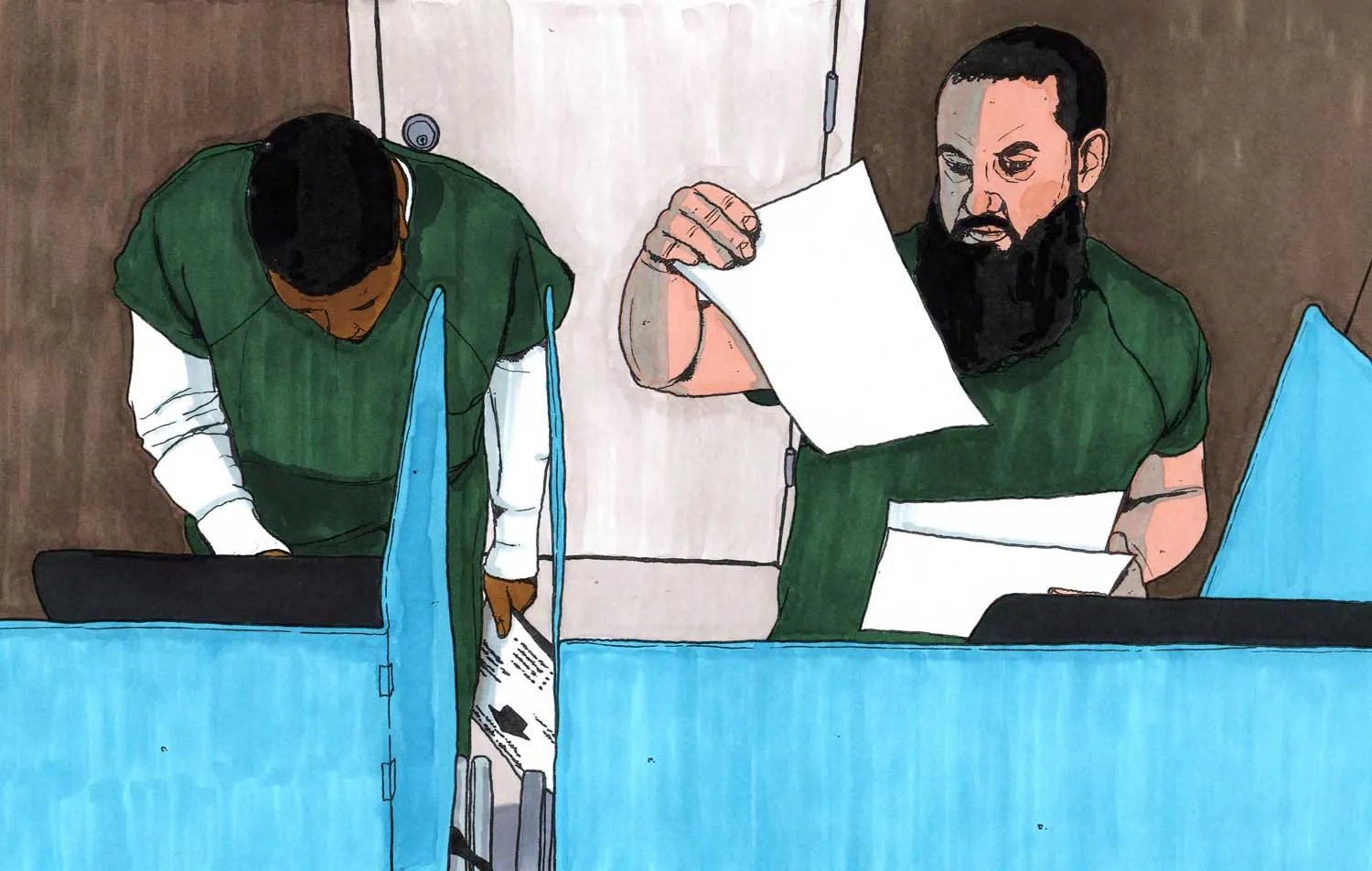
The Liberal Queensland government has announced plans to significantly limit the right to vote for people in prison.

Currently, people in prison serving a sentence of fewer than three years in the state can vote in state and local government elections, as well as federal elections.  This plan would restrict voting rights to only those serving a sentence of one year or less for state elections.

In a media release announcing the changes, the Queensland government said this would “restore fairness to electoral laws” and was about “putting victims first”.

The state Parliament is currently holding an inquiry into the legislation that would enact the restrictions.

In a submission to the inquiry, Project:herSELF, an organisation that works with women who have experienced incarceration, raised “significant concerns” with the reforms.

“Rather than restoring fairness, measures that narrow participation risk entrenching inequality and silencing the voices of people most affected by government policy, “ the submission said.

“We urge the committee to consider the real world impact of these reforms on people who are already underrepresented in our democratic system. Safeguarding democracy means safeguarding participation – especially for those whose voices are often unheard.”

The Australia Institute also pushed back on the changes in a submission to the state government.

“Prisoners are more exposed to the operation of the state government than almost anyone else in Queensland,” the submission said.

“In addition, those with less than four years left on their sentences will be re-joining the community during the term of the parliament. They should not have their voting rights further restricted.”

A spokesperson for Queensland Attorney-General and Minister for Justice Deb Frecklington said that the changes bring Queensland into line with arrangements in other states.

“Consistent with the Crisafulli Government’s commitment to put victims first, the changes recognise that people serving sentences for serious offences should not have a role in choosing lawmakers while they are in custody,” the spokesperson told About Time.

If passed by Parliament, this would place Queensland alongside New South Wales and Western Australia as the most restrictive jurisdictions when it comes to the right of people in prison to vote.

In Tasmania and the Northern Territory, those serving sentences of fewer than three years are eligible to vote in state and local elections, while this cap is set at five years in Victoria.

In South Australia and the ACT, there is no limitation at all.

The restrictions come in the same year that a record number of people in prison around the country voted in the May federal election, with over 9700 people in prison casting a vote, compared with just 274 in 2022.

In Queensland, Australian Electoral Commission data shows that just under 2000 people incarcerated in Queensland voted in the 2025 federal election, nearly 20 percent of the state’s prison population. 

This was thanks in part to, for the first time, mobile polling booths being placed in 82 of Australia’s 110 prisons, making voting more accessible.

The Liberal Queensland government has announced plans to significantly limit the right to vote for people in prison.

Currently, people in prison serving a sentence of fewer than three years in the state can vote in state and local government elections, as well as federal elections.  This plan would restrict voting rights to only those serving a sentence of one year or less for state elections.

In a media release announcing the changes, the Queensland government said this would “restore fairness to electoral laws” and was about “putting victims first”.

The state Parliament is currently holding an inquiry into the legislation that would enact the restrictions.

In a submission to the inquiry, Project:herSELF, an organisation that works with women who have experienced incarceration, raised “significant concerns” with the reforms.

“Rather than restoring fairness, measures that narrow participation risk entrenching inequality and silencing the voices of people most affected by government policy, “ the submission said.

“We urge the committee to consider the real world impact of these reforms on people who are already underrepresented in our democratic system. Safeguarding democracy means safeguarding participation – especially for those whose voices are often unheard.”

The Australia Institute also pushed back on the changes in a submission to the state government.

“Prisoners are more exposed to the operation of the state government than almost anyone else in Queensland,” the submission said.

“In addition, those with less than four years left on their sentences will be re-joining the community during the term of the parliament. They should not have their voting rights further restricted.”

A spokesperson for Queensland Attorney-General and Minister for Justice Deb Frecklington said that the changes bring Queensland into line with arrangements in other states.

“Consistent with the Crisafulli Government’s commitment to put victims first, the changes recognise that people serving sentences for serious offences should not have a role in choosing lawmakers while they are in custody,” the spokesperson told About Time.

If passed by Parliament, this would place Queensland alongside New South Wales and Western Australia as the most restrictive jurisdictions when it comes to the right of people in prison to vote.

In Tasmania and the Northern Territory, those serving sentences of fewer than three years are eligible to vote in state and local elections, while this cap is set at five years in Victoria.

In South Australia and the ACT, there is no limitation at all.

The restrictions come in the same year that a record number of people in prison around the country voted in the May federal election, with over 9700 people in prison casting a vote, compared with just 274 in 2022.

In Queensland, Australian Electoral Commission data shows that just under 2000 people incarcerated in Queensland voted in the 2025 federal election, nearly 20 percent of the state’s prison population. 

This was thanks in part to, for the first time, mobile polling booths being placed in 82 of Australia’s 110 prisons, making voting more accessible.

Leave a Comment

Thank you! Your submission has been received!
Oops! Something went wrong while submitting the form.
0 Comments
Author Name
Comment Time

Lorem ipsum dolor sit amet, consectetur adipiscing elit. Suspendisse varius enim in eros elementum tristique. Duis cursus, mi quis viverra ornare, eros dolor interdum nulla, ut commodo diam libero vitae erat. Aenean faucibus nibh et justo cursus id rutrum lorem imperdiet. Nunc ut sem vitae risus tristique posuere. uis cursus, mi quis viverra ornare, eros dolor interdum nulla, ut commodo diam libero vitae erat. Aenean faucibus nibh et justo cursus id rutrum lorem imperdiet. Nunc ut sem vitae risus tristique posuere.

Cleveland’s Death Was Preventable, Predictable and Predicted: Coroner

By Denham Sadler

The death of a 16-year-old First Nations teenager in a notorious youth unit of an adult prison in Western Australia was preventable and predictable, and the result of “serious longstanding deficiencies in the system, a Coroner has found.

News and Investigations

ISSUE NO. 18

2 MIN READ

Palliative Care in Prison and the Push for Change

By Sophie Lawson

End-of-life care, also known as palliative care, is a healthcare process that aims to improve the quality of life and reduce the suffering of those who are terminally ill. Being incarcerated can make this stage of life even more complicated.

News and Investigations

ISSUE NO. 18

3 MIN READ

Around the Country – December 2025

By About Time

Including a Victorian man suing for his right to have Vegemite in prison, a new framework for rehabilitation being launched by NT Corrections, a QLD Watchdog calling separation rooms in youth prisons ‘inhumane’ and more.

News and Investigations

ISSUE NO. 18

8 MIN READ

Impacts of Proposed New Freedom of Information Laws

By Daniel Vansetten

Obtaining information from federal agencies is about to become subject to stricter rules under the Freedom of Information Amendment Bill 2025 (Cth).

News and Investigations

ISSUE NO. 18

2 MIN READ

Newsletter

Be the first to learn about our monthly stories, plus new initiatives and live events

You've successfully registered!
Something went wrong when we tried to register your details. Please try again.

Support Australia's First National Prison Newspaper

A place for news and education, expression and hope

Help keep the momentum going. All donations will be vital in providing an essential resource for people in prison and their loved ones.

All donations of $2 or more are tax deductible. If you would like to pay directly into our bank account to avoid the processing fee, please contact donate@abouttime.org.au. ABN 67 667 331 106.

It's
About Time.

A place for news and education, expression and hope.

Help us get About Time off the ground. All donations are tax deductible and will be vital in providing an essential resource for people in prison and their loved ones.

Donate Here

Welcome to About Time

About Time is the national newspaper for Australian prisons and detention facilities

Your browser window currently does not have enough height, or is zoomed in too far to view our website content correctly. Once the window reaches the minimum required height or zoom percentage, the content will display automatically.

Alternatively, you can learn more via the links below.

Donations via GiveNow

Email

Instagram

LinkedIn

Newsletter

Be the first to learn about our monthly stories, plus new initiatives and live events

You've successfully registered!
Something went wrong when we tried to register your details. Please try again.