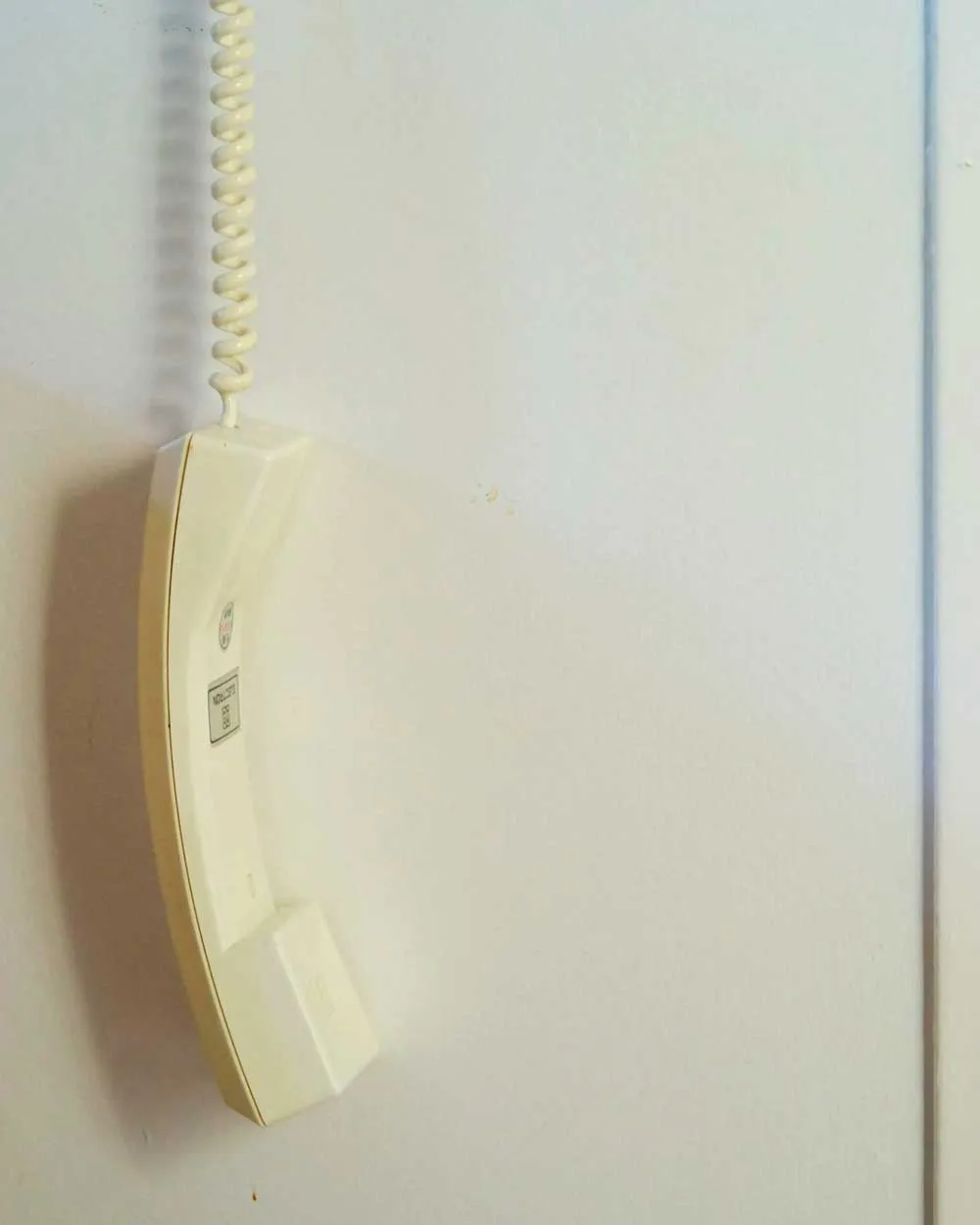
My name is Peter, and I spent 15 months in prison before being released in October 2025. While I was inside, phone calls weren’t a luxury. They were survival. Staying connected to my partner, kids, and support network kept me grounded and focused on rehabilitation. Anyone who has been inside knows that hearing a familiar voice can be the difference between moving forward and giving up.
For years, most people inside relied on “engine numbers” because calling mobiles directly cost about $5 for 15 minutes. With an engine number, the same call was around 30 cents – for many of us, the only affordable way to maintain regular contact with family.
But on 1 July 2025, QCS banned all redirection services. The reaction inside was immediate: panic, stress, and fear of losing connection to the outside world. Then the CallMe App became available. It followed every QCS by-law and wasn’t a redirection service. At Palen Creek, around 90% of men used it. For a moment, communication became possible again.
Then came the biggest hit.
On 1 November 2025, QCS introduced a new pricing model: 20 cents per minute for all calls, mobile or local. A call that once cost 30 cents for 15 minutes now costs $3 – a ten-times increase.
And here’s the reality most people outside don’t know: if you’re lucky enough to have a job inside, you earn between $3.55 and $7.00 per day. That means a single 12-minute phone call can wipe out more than half a day’s wages. People are now having to choose between calling their kids or buying basic items like soap, shampoo, or deodorant. Families on the outside are also being stretched, topping up accounts just so their loved ones can stay connected.
This raises two big questions:
- Why did QCS make two drastic changes in the same year – both of which made communication harder?
- And even more importantly: who is profiting from these overcharged phone calls?
Because it certainly isn’t the people trying to rehabilitate and stay connected to their families.
We know that strong family contact reduces reoffending, improves mental health, and helps people succeed once released. In NSW, it’s just 25 cents per call to any landline. Why is Queensland so far behind?
This issue affects every person inside and every family waiting for someone to come home. That’s why I’ve started a petition calling for fair, humane, affordable phone call costs in Queensland.
Ask your loved ones to sign and share this online petition:
www.change.org/FixQLDPrisonCallCosts
Once the petition has enough signatures, we will be sending it directly to the Queensland Ombudsman, the Department of Justice and Attorney-General, Queensland Corrective Services, and the Queensland Human Rights Commission. We want every relevant authority to see the real impact these pricing changes are having on people inside and the families supporting them. We will also share it with key MPs, community legal centres, prisoner advocacy organisations, and media outlets to make sure this issue can’t be ignored.
Staying connected shouldn’t be a privilege. It should be part of rehabilitation – and part of coming home stronger.


