Three of My Friends Are Alive Because I Had Naloxone


Your browser window currently does not have enough height, or is zoomed in too far to view our website content correctly. Once the window reaches the minimum required height or zoom percentage, the content will display automatically.
Alternatively, you can learn more via the links below.
I am lucky to have not lost anyone close to me from a drug overdose, but I know many people who have. The impact that a fatal overdose can cause is devastating and they are completely avoidable and unnecessary.
Naloxone was created to prevent overdoses from being fatal or causing health issues. As drug users, it’s our job to make sure that information on how to use safely and how to obtain and administer naloxone is shared within the drug using community so that no one else has to die from overdosing.
I have had three friends drop on me, and if I didn’t have naloxone in my possession those friends would not be here today.
Looking back, it’s scary to think that I came extremely close to losing these friends.
There have been many studies done in Australia and overseas that show the most likely time someone will have a fatal overdose is the first two weeks after being released from prison.
It’s clear that not all opiate users end up incarcerated, but out of those who do, the risk of overdosing directly after being released from prison is very high and the percentage of those being fatal is even higher.
When someone is released from prison they either don’t realise that their tolerance is no longer the same, or they forget that the strength of what they are using is no longer the same, and that’s when a lot of accidental overdoses occur.
Some of you reading this may be thinking that fatal overdoses are unavoidable, but that isn’t the case.
The Medically Supervised Injecting Room opened in Richmond in Melbourne in 2018 and since then they have had 561,000 visits. Out of these visits they have handled over 10,000 overdoses with not a single fatality.
Drugs can be used safely and no one has to die.
Life is hard enough – there is no need to complicate it by putting oneself in dangerous situations when using opiates, or any substances. Drugs can be used safely.
There are several ways in which you can use opiates and other drugs without risking your life. Here are some ways in which you can reduce the likelihood of a fatal overdose.
There are various ways and methods of getting substances checked. There is now a fixed site drug checking service opening in Melbourne – a great service where you can get opiates as well as other substances tested for free and get the opportunity to speak to a professional about the results,what they mean and what those substances really are, as well as what effect they may have on you.
There are other drug checking kits that can be purchased from sex stores if you aren’t able to access the drug checking fixed site. No one should have to lose their life due to a dangerous batch and getting your drugs checked can put your mind at ease as well as those of your friends and family.
If you have the luxury of living in Melbourne or Sydney, the safest way to use opiates is by using the supervised injecting room. The injecting room allows you to access clean and sterile injecting equipment, a clean environment and nurses who are there to monitor you and treat you in case you do happen to overdose.
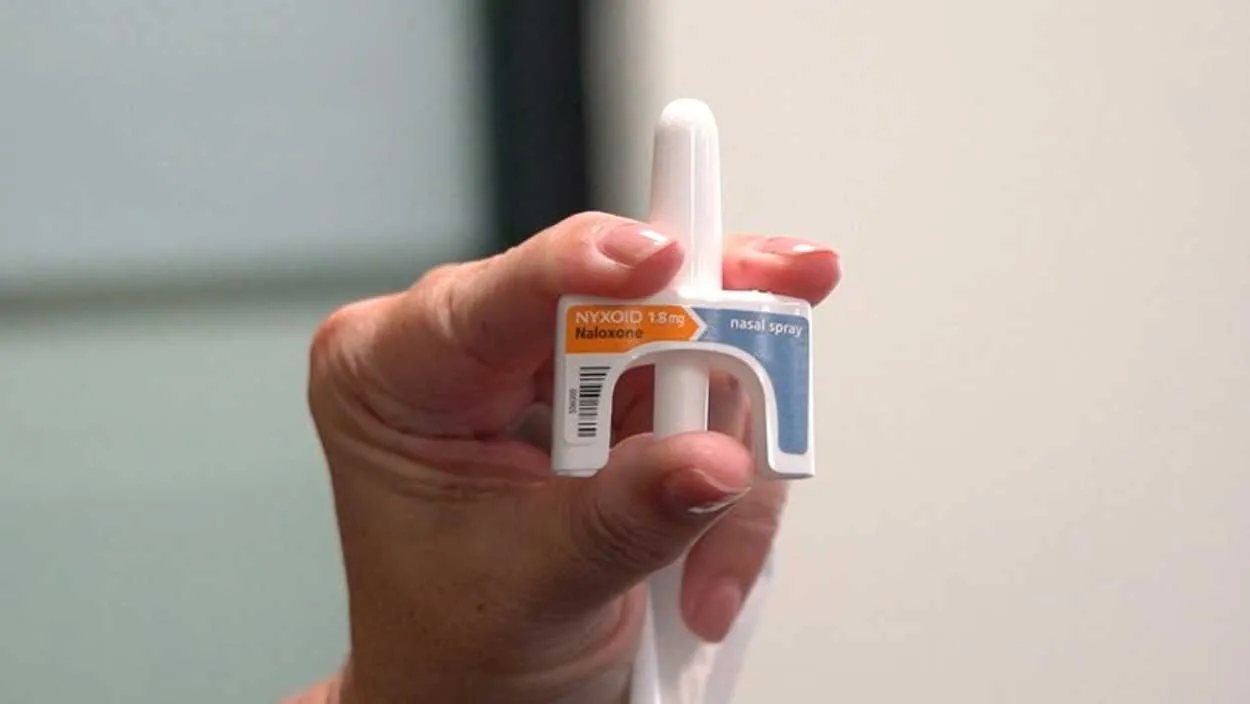
Naloxone comes as a nasal spray or as a liquid in which you inject into the muscle. Naloxone is free at most chemists (which do the suboxone or methadone program) or you can obtain it through needle and syringe programs.
If you know you are going to use, it’s a good idea to be prepared and get naloxone, so if someone overdoses you can administer it. It’s better to have naloxone and not need to use it than to not have naloxone and need to use it. While providing CPR can save someone’s life until paramedics arrive to administer naloxone, that isn’t always the case, so having naloxone and learning how to administer it is really important.
Using alone is the leading cause of overdoses resulting in death, and while overdoses can still be fatal when using with someone else, the chance of this drops significantly. If you have to use alone, try to let your neighbour or someone close know that you will be using, and for them to check on you in a couple of minutes just to make sure you’re alright.
While it may be impractical or annoying, if you are using alone, just remember, you can always have more, but you can’t have less. It’s important to keep in mind that sometimes it takes a little bit to fully feel the effects you are injecting, so give it another 10 to 15 minutes before deciding you need or want to use more.
Determined to make positive changes in life? It can start with digestion!
Stress is an unavoidable part of life, but within a prison environment it is often increased by uncertainty, loss of freedom, separation from loved ones, conflict, boredom, and concerns about the future.
Complete the entire circuit above, then repeat it a second time to hit the full rep count. Good luck!
There comes a moment in every person’s life when they are forced to face themselves. Not the version they show to others, but the deeper, more honest truth underneath.