The Queensland and Northern Territory governments have blocked the United Nations expert on the rights of Indigenous people from visiting youth prisons and meeting with officials.
The United Nations (UN) Special Rapporteur on the Rights of Indigenous Peoples is visiting Australia in the first two weeks of November, with a focus on the implementation of the Declaration on the Rights of Indigenous Peoples.
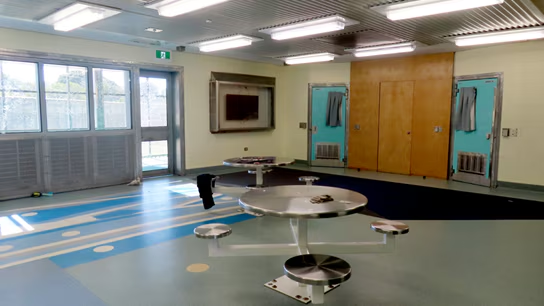
But in advance of the visit, Special Rapporteur Dr Albert K Barume said that the Queensland and Northern Territory governments had prevented him from visiting the Cleveland Youth Detention Centre in Townsville and Holtze Youth Detention Centre in Darwin respectively.
“I must express my sincere regret that scheduled meetings with government officials in Darwin and Townsville, as well as visits to youth detention centres in Holtze and Cleveland, will not take place,” Barume said in a post on LinkedIn.
“This is due to an explicit refusal by the state governments of the NT and QLD to engage with the UN mandate. Full cooperation with international human rights mechanisms is vital for accountability and constructive dialogue.”
NAAJA CEO Ben Grimes said the NT government’s refusal to allow access to the visiting UN expert was “embarrassing”.
“A government that is confident it is doing the right thing would open the door, not close it,” Grimes said.
“The NT government has repeatedly failed to meet basic minimum standards around things like access to health services for people in custody, conditions in prisons and watch houses and timely access to justice.
“Given these repeated failures, it is disappointing, but not surprising, that they’re unwilling to face scrutiny for their inability to maintain basic standards.”
Grimes said it was “especially troubling” that the government has blocked the Rapporteur from visiting the Holtze youth detention centre.
“The children held there are overwhelmingly Aboriginal and often moved hundreds of thousands of kilometres away from their families,” he said.
“Young people and their families deserve to know that the NT government, who holds so much power over their lives, is not afraid of transparency.”
Queensland Human Rights Commissioner Debbie Platz said visits by UN experts are important to help uphold human rights.
“[It is a] valuable opportunity to showcase the work being undertaken within our detention centres, while also benefitting from independent expert insights that can support ongoing improvements and best practice,” Platz told About Time.
“I strongly encourage this engagement, as it demonstrates a commitment to transparency and continuous improvement in the treatment and wellbeing of those in our care.”
It’s the third time in recent years that an Australian government has blocked a visiting UN group from visiting a prison.
In 2022 the UN Subcommittee on Prevention of Torture was denied access to facilities in Queensland and New South Wales, and in 2025 the UN Working Group on Arbitrary Detention was blocked from visiting centres in Western Australia and the Northern Territory.
There are now more than 17,000 First Nations people in prison around Australia, a 10 per cent increase from last year. First Nations people now represent a third of all people in prison. First Nations young people make up more than 60 per cent of all children and young people in youth detention around the country.
In a statement, Amnesty International and Change the Record said that the Special Rapporteur’s visit must be a turning point for First Nations rights in Australia.
The visit is a “critical opportunity for Aboriginal and Torres Strait Islander peoples to speak directly about the human rights violations facing their communities, and for the Australian government to be held accountable for its international human rights obligations”.
“This visit is an opportunity for our communities to tell the truth about what is happening to our people, and for the world to hear it,” Amnesty International Australia Indigenous Rights Advisor Rodney Dillon said.
“Our children are being locked up, our women and girls continue to face unacceptable levels of violence, and governments are failing to address the systemic racism driving these injustices.”
Change the Record wrote to the UN Special Rapporteur earlier this year to highlight the mass criminalisation and incarceration of First Peoples around the country, particularly an increase in the incarceration of children and women.


