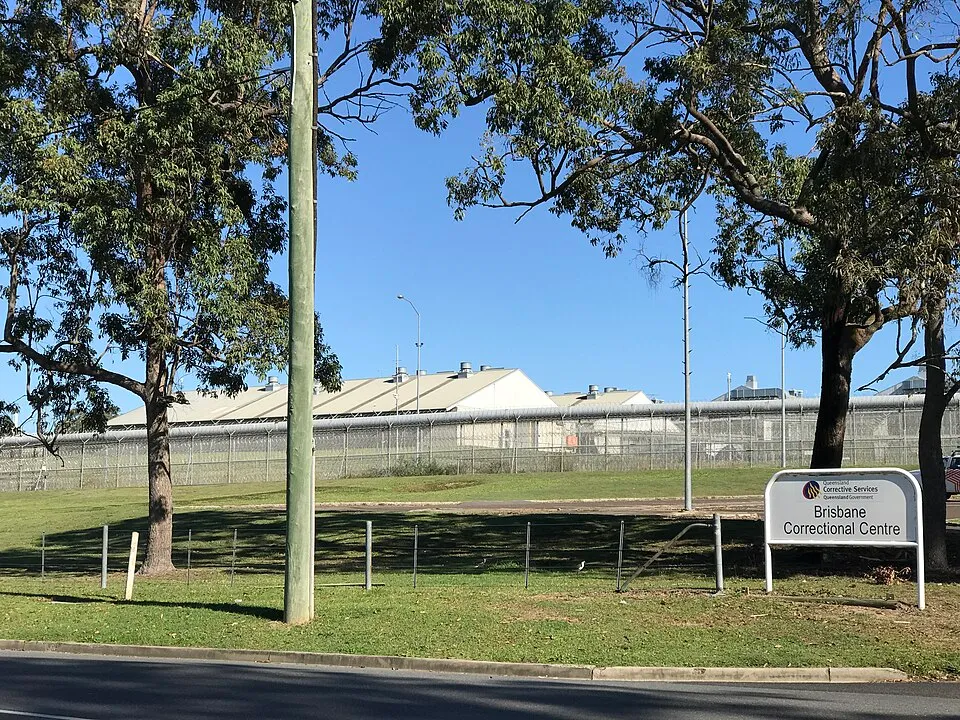
Long wait times to access rehabilitation and wellness programs and a lack of even basic pre-release support is contributing to high recidivism rates in Queensland, the state’s Auditor-General has found.
According to the Auditor-General’s new report on rehabilitation and reintegration services in prisons, fewer than half of the people approaching the end of their sentence are receiving basic pre-release help with things like setting up a bank account and accessing support services.
Almost 45 per cent of people released from a Queensland prison return to custody within two years.
Fifty-five per cent of First Nations people return to prison within two years, compared with 36 per cent of non-First Nations people.
The prison population in the state is also rapidly increasing, and more than half of Queensland prisons are operating above capacity.
According to the report, fewer than half of the people who left a Queensland prison in 2024-25 received pre-release support, which involves help with setting up a bank account, accessing services and getting legal advice.
While 1600 people completed a rehabilitation program in prison from 2020-21 to 2024-25, there were more than 1000 people on waitlists for such programs as of the end of March.
On average, these people have been waiting for well over one year.
Nearly half of all the people in prison in the state are waiting to access wellbeing programs, which include those focused on substance abuse, life skills and healthy relationships.
At 11 of Queensland’s 20 prisons, there is no case management framework in place, so individualised planning and support are not being provided.
“This means those prisoners who do receive case management do so more based on location and circumstances rather than risk or potential for successful outcomes,” the report said.
“[The] limited use of case management has compromised its ability to assess and develop individual plans for most prisoners tailored to their risk behaviours and needs.”
Queensland’s low-security prisons, which are meant to act as a bridge for low-risk individuals to transition from custody to the community, are being underutilised, the report found.
“This not only presents a missed opportunity for rehabilitation and reintegration but also places additional pressure on over-capacity areas of the correctional system,” the Auditor-General said.
Queensland Corrective Services agreed to all five of the Auditor-General’s recommendations, which centred on improving the approach to rehabilitation and reintegration, enhancing oversight and implementing a case management delivery model.


