Look how lucky we inmates are … the Queensland Government is opening a new, state-of-the-art facility in the Lockyer Valley, which will focus on rehabilitation!
Well, that's what they want you to hear. What they don't say is that the government has focused all this rehabilitation around a few courses, most of which are already being used in other centres, developed for those serving shorter sentences or who are coming up for release.
Anyone with more than five years is simply the forgotten furniture that gets placed in storage. The longer the sentence, the more you are forgotten.
The courses are certainly a factor in the rehabilitation process, but a few short courses at the end of your sentence do not bring about lasting change. Changing your mindset is by far the most critical component and something the government has completely ignored.
So how can we change our mindset? It isn't easy and it takes a lot of deep and honest self-reflection over your past, present and future.
Learning how to manage your emotions, reduce your materialistic mindset and understand the reasons behind substance use is a process. And this process requires the right conditions: a quiet and safe space where we can reflect, meditate and learn about our individual coping mechanisms.
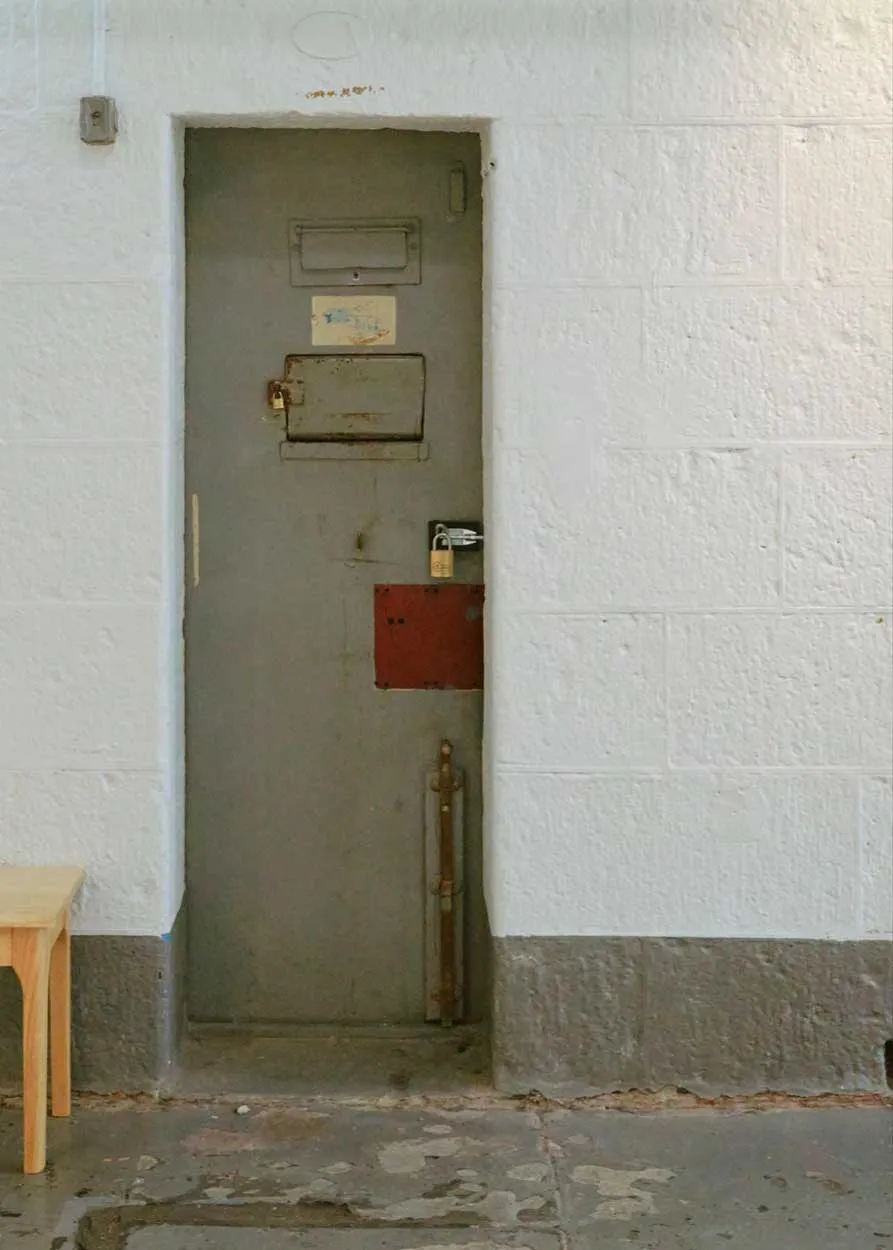
How can this be provided in jail? There needs to be the ability to live in a single-out cell. It is only the quietness and solitude of a single-out cell that allows for this personal space and deep reflection.
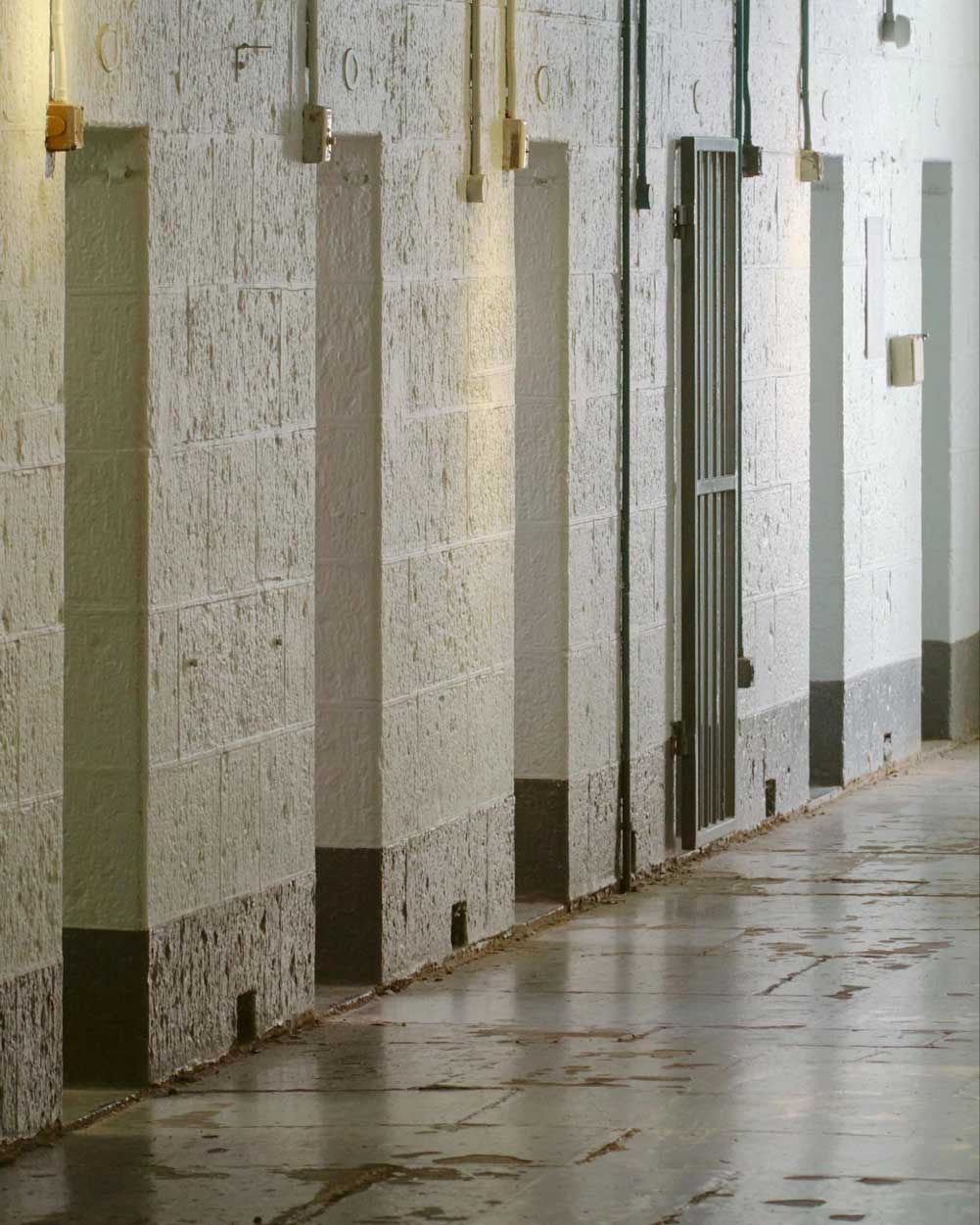
Lying there at night, alone and silent, forces you to reflect upon the good times you want back and the bad times you wish you could change, what you should have done differently and not at all, what you want in the future and how you need to change.
It is not a pleasurable experience. It is very difficult to face all those emotions and reflect over the course of your whole life.
But, in the end, all you want is the chance to get out and be with your loved ones. This provides the motivation to change, and only once you start changing your mindset do the courses actually help to produce lasting rehabilitation.
But unfortunately single-out cells are deemed as unnecessary, and overcrowding is used as an excuse. Locking up as many people as possible and filling the prisons has become a priority.
They speak about rehabilitation as if it is a tick-and-flick questionnaire, yet entirely ignore the ongoing process of therapy, education and, most importantly, self-reflection. No wonder the recidivism rate is so high!
Even in this new centre, in which they are priding themselves on rehabilitation, the government has turned all of the single-out cells into a bunk-bed double up. Furthermore, they have increased the amount of inmates in one yard, up to 260 inmates together – an amount that creates a pressure-cooker environment.
And so, even though they will provide a few courses that may help, due to the very large number of inmates forced to be in one yard, along with no chance for any personal space, nothing good will come.
Some inmates will now be forced to spend up to two decades, or even more, with no personal space for self-reflection.
Building super-jails, increasing the numbers of inmates in one unit, removing incentives to behave and taking away any chance for personal space will only lead to a significant increase in violence within jail.
Now the only way an inmate can get any time alone is not through good behaviour but through extreme violence and misbehaviour.
Time alone is not a privilege; it is a critical component of rehabilitation that allows for self-reflection, motivates change and provides the only real incentive for good behaviour.
Mick
Look how lucky we inmates are … the Queensland Government is opening a new, state-of-the-art facility in the Lockyer Valley, which will focus on rehabilitation!
Well, that's what they want you to hear. What they don't say is that the government has focused all this rehabilitation around a few courses, most of which are already being used in other centres, developed for those serving shorter sentences or who are coming up for release.
Anyone with more than five years is simply the forgotten furniture that gets placed in storage. The longer the sentence, the more you are forgotten.
The courses are certainly a factor in the rehabilitation process, but a few short courses at the end of your sentence do not bring about lasting change. Changing your mindset is by far the most critical component and something the government has completely ignored.
So how can we change our mindset? It isn't easy and it takes a lot of deep and honest self-reflection over your past, present and future.
Learning how to manage your emotions, reduce your materialistic mindset and understand the reasons behind substance use is a process. And this process requires the right conditions: a quiet and safe space where we can reflect, meditate and learn about our individual coping mechanisms.
How can this be provided in jail? There needs to be the ability to live in a single-out cell. It is only the quietness and solitude of a single-out cell that allows for this personal space and deep reflection.

Lying there at night, alone and silent, forces you to reflect upon the good times you want back and the bad times you wish you could change, what you should have done differently and not at all, what you want in the future and how you need to change.
It is not a pleasurable experience. It is very difficult to face all those emotions and reflect over the course of your whole life.
But, in the end, all you want is the chance to get out and be with your loved ones. This provides the motivation to change, and only once you start changing your mindset do the courses actually help to produce lasting rehabilitation.
But unfortunately single-out cells are deemed as unnecessary, and overcrowding is used as an excuse. Locking up as many people as possible and filling the prisons has become a priority.
They speak about rehabilitation as if it is a tick-and-flick questionnaire, yet entirely ignore the ongoing process of therapy, education and, most importantly, self-reflection. No wonder the recidivism rate is so high!
Even in this new centre, in which they are priding themselves on rehabilitation, the government has turned all of the single-out cells into a bunk-bed double up. Furthermore, they have increased the amount of inmates in one yard, up to 260 inmates together – an amount that creates a pressure-cooker environment.
And so, even though they will provide a few courses that may help, due to the very large number of inmates forced to be in one yard, along with no chance for any personal space, nothing good will come.
Some inmates will now be forced to spend up to two decades, or even more, with no personal space for self-reflection.
Building super-jails, increasing the numbers of inmates in one unit, removing incentives to behave and taking away any chance for personal space will only lead to a significant increase in violence within jail.
Now the only way an inmate can get any time alone is not through good behaviour but through extreme violence and misbehaviour.
Time alone is not a privilege; it is a critical component of rehabilitation that allows for self-reflection, motivates change and provides the only real incentive for good behaviour.
Mick

Your contributions are the centerpiece of the paper. If you would like to contribute to our Letters section, please send your letters to the below postal address:
Or via email:
On 1 November 2025, QCS introduced a new pricing model: 20 cents per minute for all calls, mobile or local. A call that once cost 30 cents for 15 minutes now costs $3 – a ten-times increase.
I have been incarcerated for 22 months of a four-year sentence in Queensland jails. This poem is about my own situation.
Reading other prisoner’s stories inspired me to keep my head up and keep going now four months in, thank you all who share your stories and words of wisdom.
I moved units about a month ago and we feed some stray cats here. One even let me pat her last night! It's been over a year since I've patted an animal, so you can imagine how excited I was!
Help keep the momentum going. All donations will be vital in providing an essential resource for people in prison and their loved ones.
All donations of $2 or more are tax deductible. If you would like to pay directly into our bank account to avoid the processing fee, please contact donate@abouttime.org.au. ABN 67 667 331 106.
Help us get About Time off the ground. All donations are tax deductible and will be vital in providing an essential resource for people in prison and their loved ones.
Your browser window currently does not have enough height, or is zoomed in too far to view our website content correctly. Once the window reaches the minimum required height or zoom percentage, the content will display automatically.
Alternatively, you can learn more via the links below.
Leave a Comment
Lorem ipsum dolor sit amet, consectetur adipiscing elit. Suspendisse varius enim in eros elementum tristique. Duis cursus, mi quis viverra ornare, eros dolor interdum nulla, ut commodo diam libero vitae erat. Aenean faucibus nibh et justo cursus id rutrum lorem imperdiet. Nunc ut sem vitae risus tristique posuere. uis cursus, mi quis viverra ornare, eros dolor interdum nulla, ut commodo diam libero vitae erat. Aenean faucibus nibh et justo cursus id rutrum lorem imperdiet. Nunc ut sem vitae risus tristique posuere.