Welcome to About Time

About Time is the national newspaper for Australian prisons and detention facilities

Your browser window currently does not have enough height, or is zoomed in too far to view our website content correctly. Once the window reaches the minimum required height or zoom percentage, the content will display automatically.

Alternatively, you can learn more via the links below.

Donations via GiveNow

Email

Instagram

LinkedIn

ISSUE NO. 6
December 2024
Donate Here

Culture

About Time Book Club: The Happiest Man on Earth by Eddie Jaku
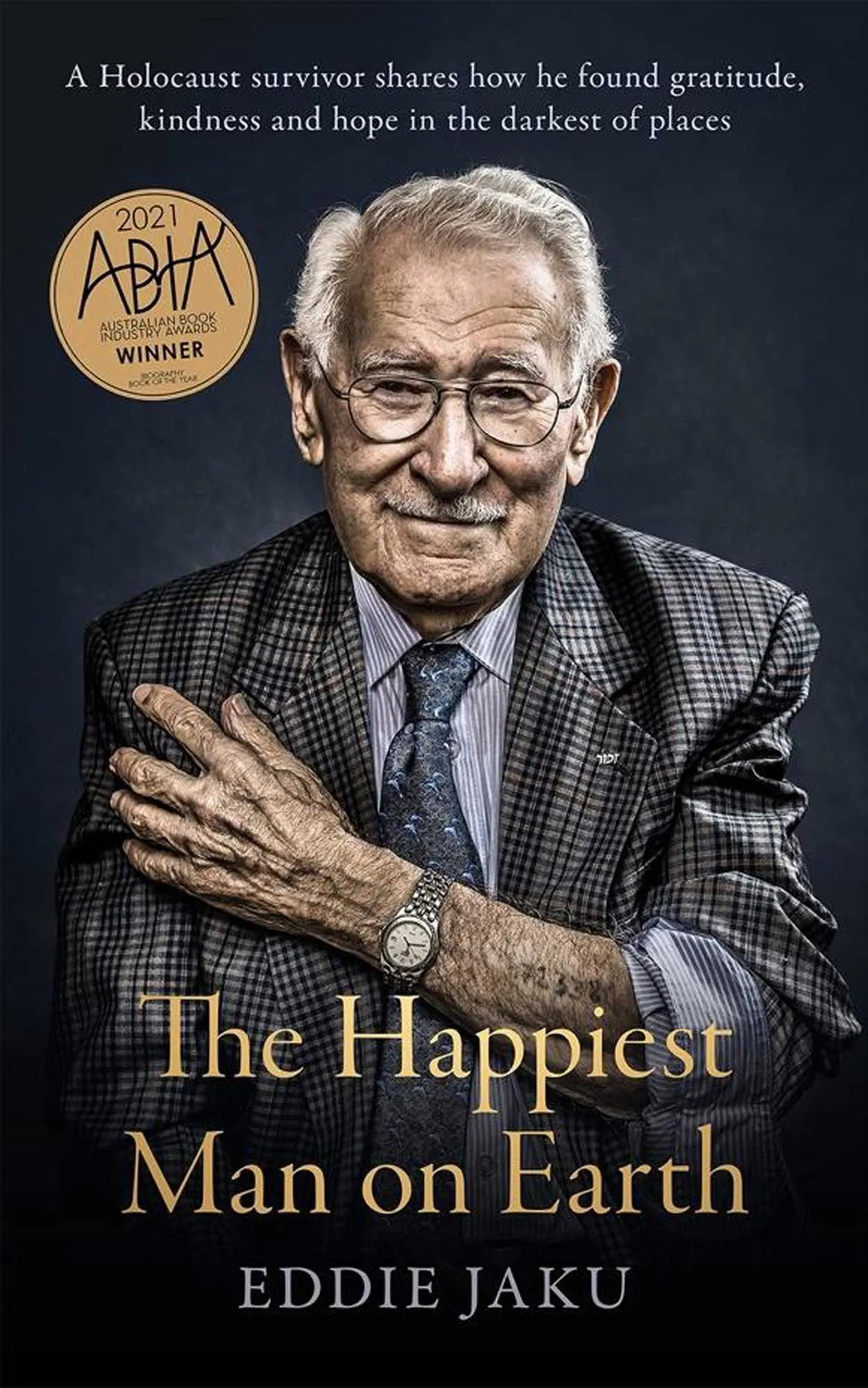
Eddie Jaku, a Holocaust survivor, wrote The Happiest Man on Earth to share his incredible story of survival and hope. Born in Germany in 1920, he endured the horrors of the Holocaust, spending time in several concentration camps, including Auschwitz. After the war, Jaku moved to Australia and rebuilt his life. In his book, he reflects on his experiences, showing how he found happiness despite unimaginable suffering. His message is simple but powerful: no matter how difficult life gets, we can choose to be kind, be grateful, and find joy. The Happiest Man on Earth is a moving reminder of the strength of the human spirit. The book also won the 2021 Australian Book Industry Awards (ABIA) Biography Book of the Year.

What does this book teach us?

Happiness is a Choice:

Despite enduring the horrors of the Holocaust, Eddie Jaku learned that happiness is not determined by circumstances but by the way we choose to view the world. He teaches that we can find joy, even in difficult times, by focusing on the positive and cultivating gratitude.

Kindness Matters:

Jaku emphasizes the importance of kindness in both personal relationships and in the world. He believes that small acts of kindness can make a big difference and are essential in creating a more compassionate society.

Resilience and Strength:

Jaku’s survival through unimaginable suffering teaches the power of resilience. Even when faced with extreme adversity, the human spirit can endure and rise above the darkest circumstances.

The Power of Forgiveness:

One of the key messages of the book is that forgiveness is a vital step in healing. Holding onto anger and hatred only prolongs suffering, while forgiveness allows us to move forward and find peace.

Gratitude and Perspective:

Jaku’s story highlights the importance of gratitude, even for the small things in life. By appreciating what we have, rather than focusing on what we lack, we can lead more fulfilling lives.

Live with Purpose:

After surviving the Holocaust, Jaku made it his life’s mission to share his story and inspire others. His life shows that no matter what we go through, we can find purpose in helping others and leaving a positive impact on the world.

Reviews:

Lisa Wilkinson:

“A beautiful soul”

Zoe Foster Blake:

“Eddie is a human diamond, and his story of survival, hope and importance of kindness is what. The world needs now”

Heather Morris:

“A beautifully told, poignant story that should become required reading”

Bradley Trevor Grieve:

“Eddie Jaku’s story is a beacon of light in a world that often feels dark. His. Message choosing happiness, even in the face of unimaginable suffering, is profoundly inspiring. This is. A book that will make you reflect on your own life and the way you view the world”

Eddie Jaku, a Holocaust survivor, wrote The Happiest Man on Earth to share his incredible story of survival and hope. Born in Germany in 1920, he endured the horrors of the Holocaust, spending time in several concentration camps, including Auschwitz. After the war, Jaku moved to Australia and rebuilt his life. In his book, he reflects on his experiences, showing how he found happiness despite unimaginable suffering. His message is simple but powerful: no matter how difficult life gets, we can choose to be kind, be grateful, and find joy. The Happiest Man on Earth is a moving reminder of the strength of the human spirit. The book also won the 2021 Australian Book Industry Awards (ABIA) Biography Book of the Year.

What does this book teach us?

Happiness is a Choice:

Despite enduring the horrors of the Holocaust, Eddie Jaku learned that happiness is not determined by circumstances but by the way we choose to view the world. He teaches that we can find joy, even in difficult times, by focusing on the positive and cultivating gratitude.

Kindness Matters:

Jaku emphasizes the importance of kindness in both personal relationships and in the world. He believes that small acts of kindness can make a big difference and are essential in creating a more compassionate society.

Resilience and Strength:

Jaku’s survival through unimaginable suffering teaches the power of resilience. Even when faced with extreme adversity, the human spirit can endure and rise above the darkest circumstances.

The Power of Forgiveness:

One of the key messages of the book is that forgiveness is a vital step in healing. Holding onto anger and hatred only prolongs suffering, while forgiveness allows us to move forward and find peace.

Gratitude and Perspective:

Jaku’s story highlights the importance of gratitude, even for the small things in life. By appreciating what we have, rather than focusing on what we lack, we can lead more fulfilling lives.

Live with Purpose:

After surviving the Holocaust, Jaku made it his life’s mission to share his story and inspire others. His life shows that no matter what we go through, we can find purpose in helping others and leaving a positive impact on the world.

Reviews:

Lisa Wilkinson:

“A beautiful soul”

Zoe Foster Blake:

“Eddie is a human diamond, and his story of survival, hope and importance of kindness is what. The world needs now”

Heather Morris:

“A beautifully told, poignant story that should become required reading”

Bradley Trevor Grieve:

“Eddie Jaku’s story is a beacon of light in a world that often feels dark. His. Message choosing happiness, even in the face of unimaginable suffering, is profoundly inspiring. This is. A book that will make you reflect on your own life and the way you view the world”

Back to Black

Back to Black

Back to Black

By Vincent
By Vincent

‘Back to Black’ charts Amy's life from her teen years through to her success as a world famous musician and singer.

Culture

ISSUE NO. 7

3 MIN READ

Your Armchair Guide to Summer Sport

Your Armchair Guide to Summer Sport

Your Armchair Guide to Summer Sport

By Goal Mouth
By Goal Mouth

An overview of recent sporting events, including horse racing, motor racing, AFLW and cricket.

Culture

ISSUE NO. 17

3 MIN READ

Fourth Wing by Rebecca Yarros

Fourth Wing by Rebecca Yarros

Fourth Wing by Rebecca Yarros

Reviewed by Mark
Reviewed by Mark

I've read thousands of novels over the last fifty-odd years and not one of them was romance, but while I'm trying new things – like paraplegia and prison – I might as well add in a romance novel to my life experience.

Culture

ISSUE NO. 8

3 MIN READ

Batman: Year One

Batman: Year One

Batman: Year One

By Grace J.
By Grace J.

First published in 1987, Batman: Year One follows Bruce Wayne returning to Gotham after 12 years away.

Culture

ISSUE NO. 4

4 MIN READ

Parkrun Behind Bars: How a Weekly 5km Is Building Community in Australian Prisons

By Denham Sadler

Every Saturday morning in four prisons around the country, a 5km fun run takes place.

Culture

ISSUE NO. 20

6 MIN READ

The Potential of Video Games in Prison

By Stacey Stokes

Video games can be helpful for people both inside and leaving prison. They’re not only entertaining, but they can help people deal with the trauma of prison and re-entry in the community.

Culture

ISSUE NO. 19

2 MIN READ

Sports Round Up

By Goal Mouth

An overview of recent sporting events, including AFLW, motor racing, soccer and cricket.

Culture

ISSUE NO. 18

3 MIN READ

Straight Outta Risdon – Bars Behind Bars

By Sara

It takes real courage to grab the mic and share your story, especially in front of fellow inmates and complete strangers. Bars Behind Bars is more than a music program at Risdon Prison; it’s a creative outlet that’s uncovering raw talent and powerful voices.

Culture

ISSUE NO. 18

3 MIN READ